

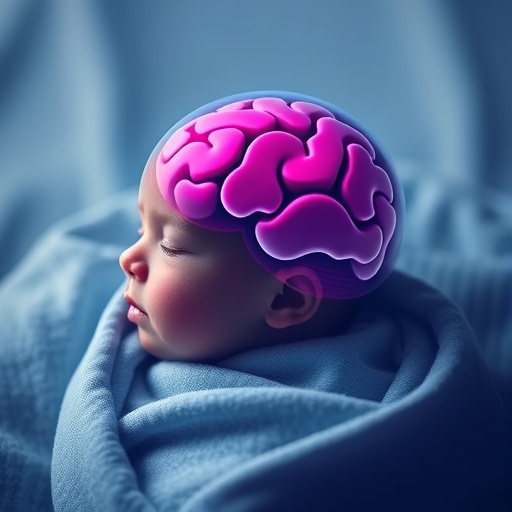
In the evolving landscape of neonatal medicine, the dialogue surrounding brain injury in newborns is undergoing a transformative shift — one that underscores the immense power of language in shaping advocacy, research direction, and clinical outcomes. Dr. E.W.Y. Tam’s recent work, published in Pediatric Research, serves as a crucial clarion call emphasizing that the words we use are not simply descriptive markers but vital tools that can either foster understanding or perpetuate stigma. This article dives deeper into the nuanced interplay between linguistics and neonatal brain injury, offering not only technical insights but also a roadmap toward more empathetic and scientifically precise communication.
Neonatal brain injury (NBI) remains a pervasive and complex medical challenge, affecting thousands of infants worldwide every year. Traditional clinical narratives often frame these injuries with terminology heavy on deficits and losses, inadvertently casting a shadow over the affected infants’ future potential and the hope that advanced medical interventions can provide. Dr. Tam’s analysis interrogates how such language shapes both public perception and healthcare policy, potentially limiting resources allocated for research, rehabilitation, and family support.
At the core of this discourse is the concept that language deeply influences how neonatal brain injury is approached at every level—from diagnosis and treatment to family counseling and long-term care planning. For example, the use of terms like “damage,” “deficit,” or “injury” can imply fixity, reinforcing a deterministic outlook that may not fully account for the neuroplasticity inherent in the developing brain. This neuroplasticity, the brain’s remarkable capacity to reorganize itself by forming new connections, opens avenues for rehabilitation that are sometimes underestimated when language fails to reflect scientific complexities.
Dr. Tam stresses that adopting terminology aligned with current neuroscientific understanding promotes a more dynamic and hopeful framework. Words that acknowledge ongoing development, potential for recovery, and functional variability can galvanize multi-disciplinary collaborations among neonatologists, neurologists, therapists, and families. Such collective efforts are essential to designing personalized interventions that exploit critical windows for neural repair and skill acquisition in infants diagnosed with brain injury.
Moreover, the article explores how linguistic precision enhances advocacy by strengthening the clarity and impact of communication directed at policymakers and funding agencies. When clinicians and researchers employ language that accurately conveys the subtleties and potentials of neonatal brain injury, they can better justify the investment in cutting-edge technologies, clinical trials, and early intervention programs. This advocacy not only benefits infants and their families but also catalyzes advancements that reverberate throughout pediatric neurology.
Another dimension highlighted in Dr. Tam’s work is the psychological impact of language on families navigating the devastation of a neonatal brain injury diagnosis. The initial exchange of information sets a tone that either empowers parents to participate actively in care decisions or leaves them feeling overwhelmed and despondent. By choosing words that emphasize agency, resilience, and gradual progress, healthcare providers can foster stronger therapeutic alliances and improve adherence to rehabilitation strategies.
The article also delves into the intricate mechanisms of neonatal brain injury, including hypoxic-ischemic encephalopathy (HIE), intraventricular hemorrhage, and periventricular leukomalacia. These conditions vary in etiology and severity, but share common pathways involving inflammation, oxidative stress, and cellular apoptosis. Understanding these mechanisms underscores why early interventions, such as therapeutic hypothermia or emerging neuroprotective agents, can be life-altering. Precise language that distinguishes between types and severities of injury thus helps tailor medical responses and communicate prognosis more effectively.
A particularly compelling aspect of Dr. Tam’s perspective is the call for an interdisciplinary lexicon that integrates clinical, neuroscientific, and psychosocial elements. Such a lexicon would bridge the often siloed vocabularies used by different specialists, ultimately strengthening the continuum of care from the neonatal intensive care unit to developmental follow-up clinics. This would also facilitate research that spans biological underpinnings and quality-of-life outcomes, creating a more holistic understanding of neonatal brain injury.
The editorial underlines how digital health communication platforms must also adapt their language to avoid oversimplifications that can mislead parents or general audiences. Given the rise of telemedicine and online support groups, crafting messages that balance technical accuracy with accessibility is crucial. Misconceptions perpetuated via poorly chosen words may generate anxiety or false expectations, hampering decision-making and adherence to treatment plans.
Technical innovation in neuroimaging techniques, such as diffusion tensor imaging and functional MRI, enriches this linguistic evolution by providing concrete evidence of brain connectivity and function even in the early neonatal period. Dr. Tam points out that incorporating findings from these modalities into educational materials necessitates language capable of describing complex neural dynamics without resorting to reductionist terms. This precision can demystify brain injury and highlight pathways for intervention rather than resignation.
Importantly, the article highlights the ethical responsibilities of medical professionals in framing brain injury diagnoses. Language must navigate a fine line between realistic prognosis and maintaining hope—a balance that demands continuous sensitivity and cultural competence. In multinational and multilingual contexts, words may carry different connotations, making standardized yet flexible terminologies all the more critical.
Dr. Tam’s treatise advocates for the integration of language reform into medical training and continuing education. Future neonatologists and allied health professionals must be equipped not only with clinical acumen but also with the skills to communicate complex biomedical phenomena compassionately and clearly. This educational emphasis promises to transform neonatal brain injury care into a more patient- and family-centered practice.
The broader implications extend into scientific publishing, where journal editors and reviewers can encourage the use of terminology that reflects evolving neuroscientific and psychosocial paradigms. Such policies would reinforce a shift away from potentially stigmatizing language that might have inadvertently echoed outdated models of neurological impairment.
As neonatal brain injury research advances, the article recognizes the growing appreciation for incorporating patient and family voices in shaping research questions and communication strategies. Language reform is thus not merely a semantic endeavor but an inclusive process that honors lived experiences and the shared goal of maximizing developmental trajectories.
Finally, Dr. Tam envisions a future where advocacy and treatment are intertwined with linguistic mindfulness, a future where words ignite progress rather than despair. The article stands as a landmark reminder that in the intricate web of neonatal brain health, every term matters deeply—as a lens of understanding, a beacon of hope, and a catalyst for change.
Subject of Research: Advocacy, understanding, and treatment strategies of neonatal brain injury with a focus on the impact of language
Article Title: Words matter: towards advocacy, understanding, and treatment of neonatal brain injury
Article References:
Tam, E.W.Y. Words matter: towards advocacy, understanding, and treatment of neonatal brain injury. Pediatr Res (2026). https://doi.org/10.1038/s41390-026-04909-5
Image Credits: AI Generated


