

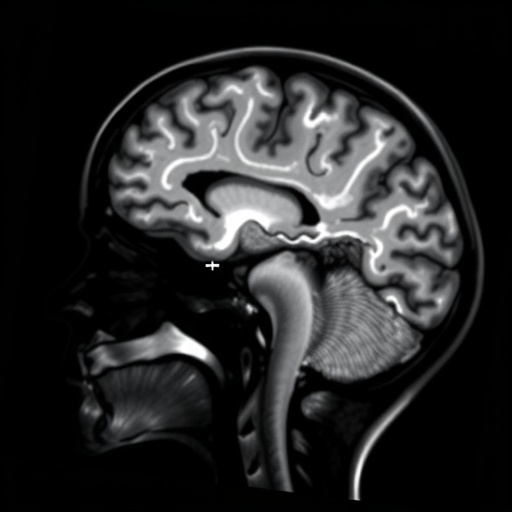
In a groundbreaking development that promises to reshape how clinicians predict neurological outcomes in newborns suffering from encephalopathy, researchers have turned their attention to diffusion kurtosis imaging (DKI). This advanced MRI technique offers an unprecedented window into the microstructural complexity of the infant brain, potentially refining prognostic models that have long been hampered by limitations in conventional imaging modalities. The work spearheaded by Lewis, Kalish, and Cizmeci exemplifies a bold step towards integrating nuanced neuroimaging biomarkers into neonatal intensive care, but it also underscores the challenges and unresolved questions that accompany this technological leap.
Neonatal encephalopathy, a condition characterized by disturbed neurological function in newborns, often stems from perinatal hypoxic-ischemic injury. Its unpredictable trajectory frequently leaves clinicians grappling with imprecise prognoses, making treatment decisions daunting. Standard MRI metrics, while invaluable, primarily provide averaged diffusion measurements that fail to capture the intricacies of brain tissue heterogeneity. Diffusion kurtosis imaging, by contrast, extends beyond these traditional limits by assessing the degree of non-Gaussian water diffusion, thus illuminating subtler microstructural alterations. These distinctions hold potential to unravel complex pathophysiological processes occurring in the vulnerable neonatal brain.
At the core of DKI’s promise lies its ability to quantify kurtosis parameters, which essentially describe the deviation of water diffusion from simple Gaussian behavior. This sensitivity to microenvironment complexity enables the detection of subtle changes in cellular organization, density, and integrity—particularly relevant in the context of neonatal brain injury characterized by heterogeneous involvement of gray and white matter. Importantly, this could permit earlier and more accurate identification of infants at risk for long-term neurodevelopmental impairments, potentially before conventional imaging signs become evident.
The study in question meticulously explores the application of DKI metrics in neonates with varying severities of encephalopathy, mapping diffusion kurtosis parameters across several brain regions integral to motor, sensory, and cognitive functions. By correlating these diffusion profiles with clinical outcomes, including neurodevelopmental milestones recorded months later, the research aims to establish robust biomarkers that transcend the temporal limitations of current evaluation paradigms. The results reveal a complex interplay between regional kurtosis abnormalities and clinical prognosis, highlighting both the promise and current boundaries of DKI.
One of the enlightening revelations from this research is how diffusion kurtosis measures in deep gray matter structures—such as the basal ganglia and thalamus—show remarkable correlation with motor outcome deficits. These regions are notoriously difficult to evaluate traditionally but are pivotal in neurodevelopmental prognostication. The study demonstrates that elevated kurtosis values, indicative of altered microstructural complexity, might reflect early cytotoxic edema or evolving gliosis, each bearing distinct clinical implications. This insight adds a layer of nuance that could ultimately guide therapeutic interventions more precisely.
However, while DKI introduces a groundbreaking dimension of microstructural insight, its integration into routine clinical practice faces significant obstacles. The complexity of acquisition protocols demands longer scan times, which is challenging in neonatal populations due to movement and physiological instability. Moreover, the computational algorithms required for kurtosis analysis necessitate advanced software and expertise not ubiquitously available in all neonatal neuroimaging units. These technical hurdles underscore a key limitation: without widespread technological and methodological standardization, the clinical applicability of DKI remains a hurdle.
In addition to technical challenges, biological interpretation of DKI parameters remains an evolving field demanding cautious scrutiny. Diffusion kurtosis reflects a convolution of multiple cellular phenomena, including changes in intracellular and extracellular compartments, myelination patterns, and axonal density variations. Disentangling which pathological processes correspond to specific kurtosis changes requires further correlative studies incorporating histopathology or additional biomarkers. Such insight is critical to avoid overinterpretation and to tailor clinical utility precisely.
This area of study also raises intriguing questions about the potential of DKI to monitor therapeutic responses. Hypothermia, the current standard of care for hypoxic-ischemic encephalopathy, has variable outcomes. The prospect that DKI could serve as a biomarker to assess ongoing brain microstructure during and after intervention opens exciting avenues for personalized medicine. Monitoring kurtosis changes longitudinally might reveal neuroplastic recovery or progressive injury, facilitating timely alterations in clinical management.
One cannot ignore the broader implications of refining neuroprognostication tools that can accurately assess the severity and trajectory of encephalopathy. Beyond clinical decision-making, this could profoundly affect counseling for families, resource allocation, and the design of clinical trials for novel neuroprotective agents. The promise of a neuroimaging marker that reliably bridges brain microstructure with functional outcomes could revolutionize neonatal neurology by transforming unpredictable prognoses into data-driven forecasts.
Despite these promising aspects, the authors emphasize that diffusion kurtosis imaging is not a panacea. Its current sensitivity and specificity, while superior to conventional diffusion imaging in some domains, do not yet completely resolve the heterogeneity inherent in neonatal encephalopathy outcomes. There remain cases where kurtosis measures produce ambiguous results, mandating multimodal approaches that integrate clinical, electrophysiological, and metabolic data for comprehensive evaluation. The authors advocate for a future where DKI complements rather than replaces existing diagnostic frameworks.
Technological advancements are anticipated to alleviate some issues related to DKI implementation. Developments in rapid acquisition sequences, motion correction algorithms, and artificial intelligence-driven image processing hold potential to streamline and democratize the use of kurtosis imaging. Such innovations could shorten imaging times, enhance resolution, and reduce interpretive subjectivity, making DKI feasible even in less specialized centers. These advances will be pivotal if diffusion kurtosis imaging is to transcend research settings and fulfill its promise in neonatal care.
Another emerging horizon involves integrating DKI with other advanced neuroimaging modalities, such as functional MRI and spectroscopy. Multimodal imaging has shown superior prognostic precision by providing complementary information on brain metabolism, connectivity, and structure. The synergistic use of these techniques could construct a multidimensional framework for assessing neonatal brain injury, surpassing the granularity offered by any single modality alone. The study by Lewis et al. hints at this integrative future by situating DKI within broader neuroimaging innovations.
While this research marks a decisive stride towards enhancing neuroprognostication in neonatal encephalopathy, it simultaneously highlights the importance of longitudinal studies involving larger cohorts. Validation across diverse populations and clinical settings is essential to establish normative kurtosis values and diagnostic thresholds, enabling robust translation into clinical practice. Additionally, harmonizing imaging protocols internationally will facilitate comparative studies and foster consensus on best practices for DKI application in neonatology.
Ethical considerations also emerge when implementing advanced prognostic technologies. The ability to predict neurological outcomes with increasing accuracy raises questions about decision-making in critical care, parental counseling, and potential biases in treatment allocation. Hence, alongside technological progress, frameworks ensuring compassionate communication and equitable care delivery must evolve in tandem. The nuanced prognostic data provided by DKI necessitate thoughtful clinical integration to truly benefit afflicted infants and their families.
In conclusion, diffusion kurtosis imaging stands at the nexus of neuroimaging innovation and neonatal clinical application. The work by Lewis, Kalish, and Cizmeci encapsulates an inspiring trajectory towards more precise, biologically grounded prognostication in the challenging landscape of neonatal encephalopathy. Although facing notable practical and interpretive limitations, DKI advances our ability to peer into the infant brain’s microarchitecture, promising transformative impacts on early diagnosis, treatment stratification, and ultimate neurodevelopmental outcomes. The journey from research to bedside application will demand continued interdisciplinary collaboration, technological refinement, and ethical vigilance but holds profound potential to change neonatal neurology forever.
Subject of Research: Neuroprognostication in neonatal encephalopathy using diffusion kurtosis imaging
Article Title: Advancing neuroprognostication in neonatal encephalopathy: promise and limitations of diffusion kurtosis imaging
Article References: Lewis, J.D., Kalish, B.T. & Cizmeci, M.N. Advancing neuroprognostication in neonatal encephalopathy: promise and limitations of diffusion kurtosis imaging. Pediatr Res (2025). https://doi.org/10.1038/s41390-025-04714-6
Image Credits: AI Generated
DOI: 15 December 2025


