

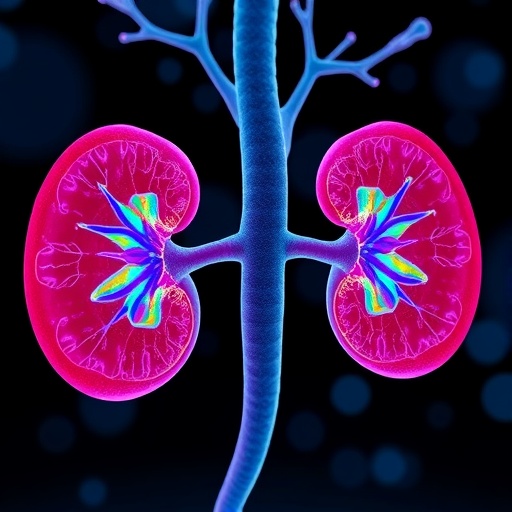
In a groundbreaking advancement in pediatric medicine, the recent International Neonatal Nephrology Symposium has thrown new light on the potential of biomarkers in diagnosing and managing kidney disease in newborns. The proceedings, published in Pediatric Research on January 28, 2026, underscore an accelerating shift toward biomarker-guided clinical interventions that may revolutionize neonatal care and significantly reduce morbidity and mortality in this vulnerable population. This comprehensive conference brought together leading neonatologists, nephrologists, and researchers worldwide to evaluate the latest discoveries and chart future directions in the field.
Neonatal kidney disease represents a critical challenge due to the delicate physiology of the developing kidney and the lack of rapid, precise diagnostic tools. Traditionally, clinicians have relied on serum creatinine levels and urine output measurements, which are often inadequate for timely and accurate diagnosis. The symposium emphasized the transformative role that novel biomarkers can play, especially those detectable in blood and urine, providing early indications of renal injury before irreversible damage occurs. Experts presented compelling evidence that such biomarkers allow for stratified risk assessment, better monitoring of disease progression, and informed therapeutic decision-making.
One of the core themes highlighted during the symposium was the heterogeneity of neonatal kidney disease, which can arise from numerous etiologies including perinatal asphyxia, congenital anomalies, infection, and nephrotoxic medications. Biomarkers offer a promising avenue to differentiate these underlying causes through their unique molecular signatures. For instance, novel proteins such as neutrophil gelatinase-associated lipocalin (NGAL), kidney injury molecule-1 (KIM-1), and cystatin C were discussed extensively for their high sensitivity and specificity in detecting kidney injury. Their early detection capabilities pave the way for timely interventions that can prevent disease exacerbation.
The proceedings delineated the molecular mechanisms driving biomarker expression in neonatal kidneys, elucidating how cellular stress, inflammation, and apoptosis contribute to their upregulation. This mechanistic insight is vital for understanding how biomarker levels correlate with clinical severity and prognosis. In addition, the symposium featured studies utilizing cutting-edge proteomics and metabolomics technologies that unravel complex biological pathways implicated in neonatal renal injury. These approaches enhance our capacity to identify novel biomarker candidates and generate comprehensive biomarker panels for multifactorial assessment.
Furthermore, the integration of biomarker data with emerging imaging modalities and genetic profiling was identified as a crucial step toward personalized medicine in neonatology. Advanced ultrasound techniques complemented by biomarker analyses can provide nuanced assessments of renal structure and function in real-time. Meanwhile, genomic data contribute predictive information about individual susceptibility to kidney disease or adverse drug reactions. This multimodal approach, highlighted throughout the sessions, promises to optimize therapeutic strategies tailored for the unique physiology of each neonate.
Of particular significance were clinical trials presented at the symposium evaluating the efficacy of biomarker-driven intervention protocols. These trials demonstrated that bedside biomarker measurements could guide dosage adjustments of nephrotoxic drugs, reducing iatrogenic kidney damage without compromising treatment efficacy. Moreover, early identification of high-risk infants enabled the deployment of renal-protective agents and supportive therapies, thereby improving short-term outcomes. Longitudinal follow-up data suggested potential benefits in minimizing chronic kidney disease development later in life, underscoring the long-term value of biomarker-based management.
The symposium also addressed the implementation challenges of bringing biomarker testing into routine neonatal practice. Barriers such as assay standardization, cost-effectiveness, and training requirements were discussed candidly. Experts called for international collaborations to establish consensus guidelines and validation studies to ensure biomarker reliability across diverse clinical settings. Additionally, advocacy for healthcare policy reforms was deemed essential to facilitate widespread access to these innovative diagnostics, particularly in low-resource environments where neonatal kidney disease incidence is disproportionately high.
A striking feature of the discussions was the multidisciplinary collaboration among neonatologists, nephrologists, laboratory scientists, and data analysts. The synergistic integration of clinical experience with cutting-edge technological innovation was celebrated as a model for advancing neonatal medicine. New initiatives aimed at fostering such collaborations were proposed, including dedicated consortia and centralized biobanks for neonatal samples. These platforms will accelerate biomarker discovery, validation, and translation to clinical applications.
The role of biomarkers in research extends beyond diagnostics, as the symposium also explored their utility in elucidating pathophysiological processes underlying neonatal kidney diseases. Biomarkers serve as surrogate endpoints in preclinical studies, enabling more precise assessments of novel therapeutics’ efficacy. This application is expected to streamline drug development by improving trial design, shortening timelines, and reducing costs. The potential for biomarkers to uncover novel therapeutic targets was another promising avenue highlighted by presenters.
Looking forward, the International Neonatal Nephrology Symposium has set an ambitious roadmap to fully harness biomarkers in neonatal kidney disease management. Priorities include technological advances in point-of-care testing platforms, integration with electronic health records for real-time clinical decision support, and expanded multicenter clinical trials. Additionally, efforts to involve patient families and ethical considerations surrounding biomarker use in vulnerable populations were emphasized, ensuring that progress remains aligned with holistic and equitable care principles.
The publication of these proceedings in Pediatric Research marks a seminal moment, consolidating years of pioneering research and collaborative effort. The knowledge shared at the symposium not only advances scientific understanding but also reinforces the urgent public health imperative to improve neonatal outcomes globally. As the neonatal nephrology community mobilizes around biomarker innovations, a new era of precision neonatal care is on the horizon, promising safer, more effective interventions and brighter futures for countless newborns.
In conclusion, the first International Neonatal Nephrology Symposium epitomized the dynamic intersection of science and clinical practice. Through robust discourse, data sharing, and visionary planning, the field is poised to redefine how neonatal kidney diseases are detected, understood, and treated. Biomarkers offer an unprecedented window into neonatal kidney health, empowering clinicians to act swiftly and decisively. This transformative potential, underscored by rigorous science and international collaboration, heralds a future where neonatal kidney disease no longer dictates grim outcomes but invites hope and healing.
Subject of Research: Biomarkers in neonatal kidney disease
Article Title: Biomarkers in neonatal kidney disease: proceedings from the first international neonatal nephrology symposium
Article References: Gillen, M.C., Jackson, C.V., Selewski, D.T. et al. Biomarkers in neonatal kidney disease: proceedings from the first international neonatal nephrology symposium. Pediatr Res (2026). https://doi.org/10.1038/s41390-026-04786-y
Image Credits: AI Generated
DOI: 10.1038/s41390-026-04786-y
Keywords: neonatal kidney disease, biomarkers, neonatal nephrology, NGAL, KIM-1, cystatin C, neonatal diagnostics, precision medicine, pediatric nephrology


