

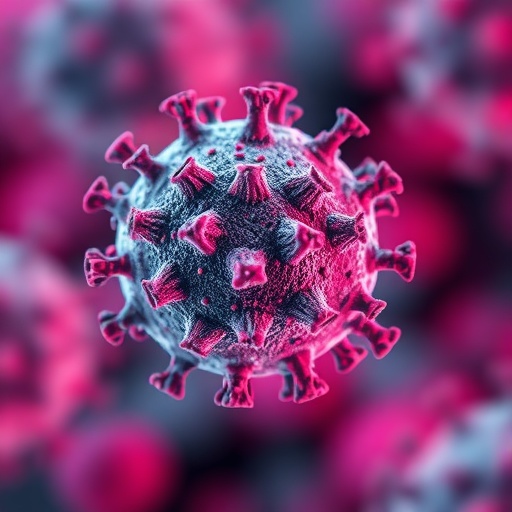
In the evolving landscape of healthcare technology, machine learning and deep learning have emerged as powerful tools in the fight against the COVID-19 pandemic. A recent comprehensive study by Farahi and Pakzad delves into the cutting-edge methodologies employed for intelligent diagnosis and prediction of COVID-19. This research highlights the critical role that artificial intelligence (AI) plays in enhancing diagnostic accuracy, enabling earlier interventions, and ultimately saving lives during unprecedented global crises.
The use of AI in medical diagnostics is not a new phenomenon; however, its application during the COVID-19 pandemic has gained unprecedented momentum. Traditional diagnostic methods, while effective, often fall short in terms of speed and scalability, especially in the face of a rapidly spreading virus. Machine learning algorithms, capable of analyzing vast datasets quickly, present a solution that could transform how healthcare providers respond to infectious diseases. The study meticulously outlines various machine learning techniques such as support vector machines, decision trees, and ensemble methods that have been pivotal in early detection of COVID-19.
Deep learning, a subset of machine learning, takes this a step further by utilizing neural networks to identify complex patterns within data. Farahi and Pakzad’s research emphasizes the role of convolutional neural networks (CNNs) as a breakthrough technology in interpreting medical imaging, such as chest X-rays and CT scans. These deep learning models have demonstrated exceptional ability to distinguish between COVID-19 and other respiratory illnesses, providing radiologists with much-needed support in making accurate diagnoses under pressure.
One of the critical aspects highlighted in the research is the use of predictive analytics to foresee the trajectory of COVID-19 cases. By leveraging historical datasets and real-time epidemiological data, machine learning models can project potential outbreak scenarios, thereby equipping public health officials with the necessary insights to allocate resources efficiently. The researchers detail algorithms that have been successfully implemented to model infection rates, assess healthcare capacity, and guide policy decisions.
Moreover, the review discusses the integration of AI tools in mobile health applications, empowering individuals with real-time medical insights. Users can input their symptoms and receive immediate feedback on whether they should seek testing or medical assistance. This democratization of health knowledge is crucial in a pandemic context where timely action can significantly impact patient outcomes.
However, the study does not shy away from addressing the challenges associated with these technological advancements. Issues such as data privacy, algorithmic bias, and the need for transparency in AI decision-making processes are critically examined. The researchers advocate for robust regulatory frameworks to ensure that AI applications are ethical and equitable, as the consequences of misdiagnosis in a pandemic can be dire.
An equally important theme in the research is the interdisciplinary nature of AI in healthcare. Collaborations between computer scientists, clinicians, and public health experts are essential for developing effective machine learning applications. The success of AI tools depends not only on sophisticated algorithms but also on the quality of the data and the context in which they are deployed.
Furthermore, Farahi and Pakzad emphasize the need for continuous learning in AI models. The dynamic nature of COVID-19 means that models must adapt to new variants and changing epidemiological patterns. Implementing mechanisms for real-time model retraining is crucial for maintaining the relevance and accuracy of AI-driven diagnostic tools.
The potential of AI in healthcare extends beyond diagnostics and predictions. As the researchers indicate, machine learning can also facilitate drug discovery and development. Analyzing compounds and biological interactions at unprecedented speeds could accelerate the identification of effective treatments for COVID-19 and beyond. This vast potential indicates that the intersection of AI and healthcare is just beginning to be explored.
In conclusion, the work of Farahi and Pakzad provides a vital synthesis of the current capabilities and future potential of machine learning and deep learning techniques in combating COVID-19. As global health systems continue to grapple with the repercussions of the pandemic, leveraging intelligent diagnostic methods could profoundly influence our approach to infectious diseases. The insights gained from their research serve as a foundation for ongoing innovation in medical technology, highlighting the importance of AI in shaping the future of health.
This comprehensive review not only sheds light on the methodologies currently available but also sparks discussions regarding the ethical considerations and future directions of AI in healthcare. As researchers and practitioners continue to explore these technologies, the implications for patient care and health equity remain paramount.
In summary, the integration of machine learning and deep learning into COVID-19 diagnostics and predictions is redefining healthcare. It opens avenues for more precise, timely, and effective responses to health crises, potentially transforming the landscape of medicine into an era dominated by data-driven decisions and advanced technology.
Subject of Research: Intelligent Diagnosis and Prediction of COVID-19 Using Machine Learning and Deep Learning Techniques
Article Title: A Comprehensive Review of the Methods of Intelligent Diagnosis and Prediction of COVID-19 Disease Using Machine Learning and Deep Learning Techniques
Article References:
Farahi, R., Pakzad, M. A comprehensive review of the methods of intelligent diagnosis and prediction of COVID-19 disease using machine learning and deep learning techniques.
Discov Artif Intell (2025). https://doi.org/10.1007/s44163-025-00685-z
Image Credits: AI Generated
DOI: 10.1007/s44163-025-00685-z
Keywords: COVID-19, Artificial Intelligence, Machine Learning, Deep Learning, Diagnostics, Predictive Analytics, Healthcare Technology, Public Health


