

As global temperatures continue to rise and extreme weather events become more frequent, the architectural designs of modern buildings are increasingly being called into question. Professor Emeritus Susan Roaf, a pioneer in climate-resilient architecture at Heriot-Watt University, has vocally emphasized the urgent need to reimagine how buildings are constructed to withstand the climatic realities anticipated in the coming decades. Her expertise, spanning over fifty years and encompassing extreme environments from arid deserts to polar extremes, positions her as a crucial voice in the discussion on future-proofing our built environment.
Contemporary buildings, Roaf argues, largely fail to account for the escalating challenges posed by climate change. They are designed according to outdated parameters that do not adequately consider the unprecedented heatwaves, intense storms, and cold snaps that are projected to characterize the 2030s and 2040s. Such climatic extremes threaten to undermine the structural integrity, environmental performance, and habitability of these buildings. This disconnect from emerging environmental realities creates significant risks not only to infrastructure but also to human health and social services, which could face increased strain as climate-sensitive buildings falter.
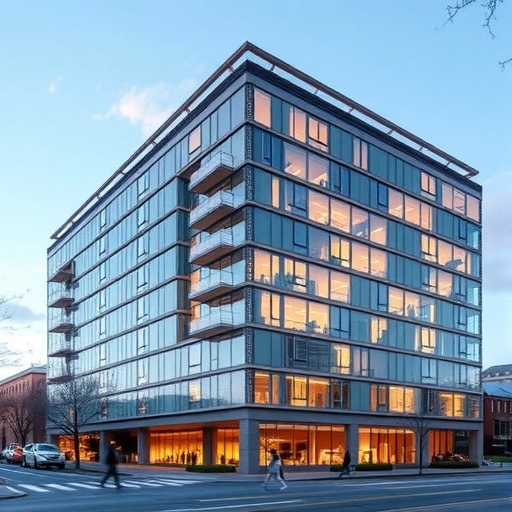
Central to Roaf’s contention is the inadequacy of so-called “modern” designs — with their reliance on sealed glass facades, mechanical ventilation systems, and high energy consumption — in adapting to the fluctuating and often extreme weather patterns we now witness. With growing incidents of prolonged power outages linked to extreme weather events, buildings heavily dependent on electricity for heating, cooling, and ventilation become vulnerable zones, potentially uninhabitable in critical periods. This is particularly concerning for vulnerable populations who rely on care facilities and hospitals, many of which are designed with restrictive ventilation strategies that exacerbate risks during heatwaves or viral outbreaks.
Roaf’s extensive research culminates in her latest work, “Adaptive Thermal Comfort: At the Extremes,” co-authored with noted thermal comfort experts Fergus Nicol and Michael Humphreys. The book presents a compelling case for an architectural paradigm shift toward “mixed-mode” buildings — structures capable of seamlessly transitioning between natural and mechanical systems, optimizing energy use, and maintaining comfort even during systemic failures. Such buildings would leverage abundant local renewable resources, including solar gain, natural ventilation, advanced shading, and thermal energy storage, reducing reliance on carbon-intensive energy systems.
The concept of mixed-mode buildings is particularly pertinent today as hybrid working arrangements redefine the use of domestic and commercial spaces. Roaf points out the flawed philosophy behind many skyscrapers and large glass office environments, which demand intensive energy inputs to maintain indoor comfort levels. These buildings face heightened risks of overheating and excessive cooling, challenges that escalate during power interruptions. The COVID-19 pandemic further highlighted these vulnerabilities, underscoring the need for design strategies that prioritize occupant health through improved natural ventilation and adaptable environmental controls.
Perhaps most striking is the implication for healthcare infrastructure, where pandemic data demonstrated lower transmission rates in facilities utilizing natural ventilation over mechanically ventilated systems. Amid concerns about airborne pathogen spread, the tendency toward sealed, recirculating air environments in hospitals warrants urgent reconsideration. In Scotland, Lanarkshire’s introduction of enhanced infection-prevention measures featuring natural ventilation correlated with decreased COVID-19 clusters, illustrating the practical benefits of integrating resilient, health-promoting design features into these critical buildings.
Roaf’s call to action transcends the architectural profession, advocating for integrated collaboration across government agencies, public health officials, regulators, engineers, and communities. She stresses that tackling the multifaceted challenges of climate adaptation in the built environment cannot be achieved in silos but requires cohesive strategies rooted in robust science and pragmatic policy frameworks. This interdisciplinary approach is crucial for developing climate-safe, low-impact buildings capable of sustaining population health, reducing environmental harm, and enhancing resilience to future disturbances.
The increasing frequency of extreme weather events imposes significant operational pressures on energy infrastructure. As buildings demand more from electricity grids during heatwaves or cold spells, system failures become more likely, further exacerbating human discomfort and risk. Lightweight, poorly insulated homes exemplify this vulnerability, cooling or overheating rapidly in the absence of active heating or cooling systems. The lessons gleaned from rural Scottish communities during recent winters serve as a clarion call for architects and policymakers to prioritize passive, adaptive design solutions that mitigate energy dependency.
In advocating for the next generation of building designs, Roaf envisions spaces that integrate passive thermal regulation techniques with advanced technological systems. Incorporating natural elements such as shading devices, daylight optimization, cross-ventilation, and thermal mass ensures buildings perform efficiently year-round. These design choices not only reduce greenhouse gas emissions but also promote occupant well-being by maintaining stable indoor temperatures and air quality, essential factors for mental and physical health in a warming world.
The transition to such adaptive buildings aligns with broader sustainability goals, including net-zero carbon targets and circular economy principles. By embedding resilience into the fabric of construction, societies can reduce their environmental footprint while enhancing readiness for climate-induced disruptions. Roaf’s work frames this transition not merely as an architectural challenge but as a societal imperative, where safety, equity, and environmental stewardship converge.
Crucially, Roaf reminds us that climate adaptation is inherently about human dignity. Preparing buildings for future climates is not purely a matter of technological innovation but one of ethical responsibility—ensuring that people can live comfortably, safely, and healthily regardless of external climatic conditions. This ethos must underpin all future developments if the built environment is to genuinely serve the needs of its inhabitants amidst accelerating global change.
In summation, the evidence laid out by Professor Susan Roaf represents a timely and urgent call for rethinking building design through a climate-resilient lens. As extreme weather events intensify, the health and usability of buildings—be they homes, workplaces, or medical facilities—must be reimagined to prioritize adaptability, energy independence, and occupant well-being. Achieving this requires concerted, interdisciplinary collaboration and innovative design strategies centered on the principles of mixed-mode functionality and sustainable resource use, ensuring the built environment can endure the climatic challenges of tomorrow.
Subject of Research: Climate-resilience architecture and adaptive building design for future climate scenarios.
Article Title: Rethinking Modern Building Design: Preparing for the Climate Extremes of Tomorrow
News Publication Date: Not provided
Web References: Not provided
References: Roaf, S., Nicol, F., & Humphreys, M. Adaptive Thermal Comfort: At the Extremes (book)
Image Credits: Credit: Sue Roaf
Keywords: Climate resilience, adaptive architecture, extreme weather, sustainable buildings, mixed-mode design, thermal comfort, natural ventilation, energy efficiency, health and wellbeing, building adaptation, climate change impacts, hybrid working environments


