

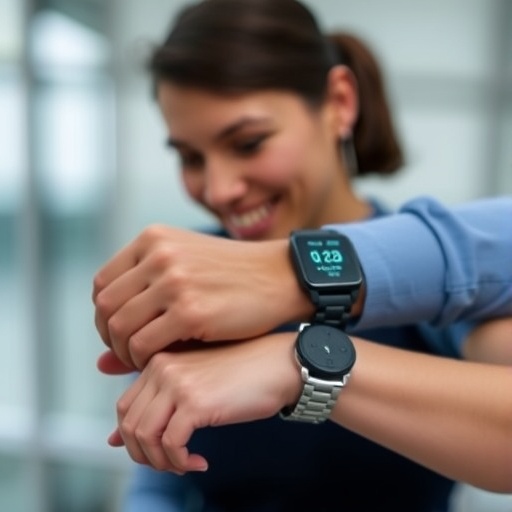
In the rapidly evolving landscape of medical technology, wearable devices and digital applications are becoming increasingly prominent as tools for neurological care. The American Academy of Neurology (AAN) has recently issued comprehensive guidance focusing on the use of non-FDA cleared wearable technologies, such as smartwatches and fitness trackers, highlighting their potential to enhance neurological diagnostics and patient monitoring. These devices offer a spectrum of functions, including the tracking of heart rate, physical activity, and sleep patterns, thereby providing valuable real-time data that can support the management of neurological conditions.
Wearables have demonstrated capabilities beyond mere fitness tracking, with some devices equipped to detect cardiovascular abnormalities such as atrial fibrillation, a common neurological risk factor linked to stroke. These smart technologies use multi-lead electrocardiogram sensors integrated into consumer devices to flag possible arrhythmic events, facilitating early intervention. However, AAN’s guidance underscores the necessity for confirmatory clinical testing due to potential inaccuracies inherent in these consumer-grade devices and stresses the importance of caution when interpreting such readings.
In epilepsy management, wearable technology holds promise for revolutionizing how seizures are detected and forecasted. Preliminary studies indicate that fitness trackers combined with digital seizure diaries substantially improve the precision of seizure predictions, offering a significant advantage over traditional methods. These advanced systems utilize accelerometers and biosensors to capture ictal events and pre-ictal physiological changes, opening a pathway to personalized therapeutic strategies tailored to individual patient patterns.
Headache disorders, another prevalent neurological affliction, may also benefit from wearable technology through biofeedback mechanisms. Devices capable of continuously monitoring physiological parameters such as muscle tension, heart rate variability, and skin temperature offer an innovative approach to stress management—an established trigger for many headache sufferers. By providing actionable data, these wearables can empower patients to achieve better control over their symptoms through behavioral modifications and stress reduction techniques.
Sleep monitoring represents a rapidly advancing application area for wearables in neurology. Modern devices employ a range of sensor technologies—from photoplethysmography to electroencephalography-like measurements—to estimate sleep stages and duration. Despite the limitations posed by restricted data accessibility for healthcare professionals and variable device adherence among users, home-based sleep tracking using wearables presents a cost-effective alternative to traditional polysomnography, delivering ongoing insights into sleep disorders such as insomnia and sleep apnea.
The AAN report also highlights significant challenges inherent to the use of wearable devices in neurological care, including data privacy issues, socioeconomic disparities affecting access, and the psychological impact of false alarms or misleading feedback. The phenomenon of “wearable-induced anxiety” is of particular concern, where users may experience increased stress levels due to alerts or misinterpretation of the data generated by these devices. Such unintended consequences necessitate careful integration of wearable data into clinical workflows.
Clinicians are advised to approach patient-generated health data with an informed perspective, actively engaging in discussions regarding the capabilities and limitations of consumer wearables. This engagement is critical for ensuring appropriate clinical decisions and managing patient expectations. The AAN’s guidance encourages physicians to verify wearable data through corroborative testing and to be vigilant for signs of over-reliance on technology that might lead to inappropriate diagnosis or treatment.
Future research directions emphasize the need for robust validation studies to improve the accuracy, reliability, and clinical utility of wearable devices in neurology. Technological advancements in sensor design, data analytics, and machine learning algorithms are anticipated to enhance the predictive capabilities of wearables, thereby enabling the development of highly personalized treatment modalities.
The integration of wearable technology into neurological care represents a paradigm shift, potentially transforming the traditional episodic care model into one characterized by continuous, data-driven management. This shift is expected to foster proactive interventions, reduce hospitalizations, and improve patient quality of life through timely detection of symptom exacerbations and tailored therapeutic adjustments.
As wearable health technologies become more affordable and accessible, their widespread adoption may lessen barriers to neurological monitoring, particularly for underserved populations. However, the AAN warns that without equitable distribution and careful oversight, these benefits may inadvertently widen existing healthcare disparities.
In conclusion, while wearable devices offer remarkable opportunities for enhancing neurological care through real-time data acquisition and patient engagement, thoughtful implementation supported by ongoing research is essential. As the field progresses, collaboration between neurologists, patients, technologists, and regulatory bodies will be crucial to fully realize the promise of wearables in improving brain health outcomes.
Subject of Research: Wearable devices and digital applications in neurological care.
Article Title: AAN issues guidance on the use of wearable devices in neurology.
News Publication Date: March 11, 2026.
Web References:
– https://aan.com/
– http://www.neurology.org/
– http://www.brainandlife.org
Keywords:
Neurology, wearable technology, smartwatches, fitness trackers, digital health, seizure detection, atrial fibrillation, biofeedback, sleep monitoring, device accuracy, patient care, personalized therapy, health data privacy.


