


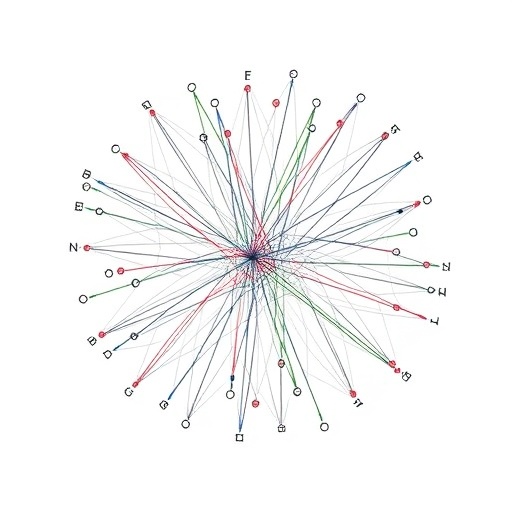
A recent study conducted by Alrubaian delves into the complex interplay of pathological personality traits among youths diagnosed with Attention-Deficit/Hyperactivity Disorder (ADHD), those with subthreshold ADHD, and healthy controls. This groundbreaking research utilizes the Personality Inventory for DSM-5 (PID-5), presenting a comprehensive network analysis that unveils significant insights into how these personality characteristics manifest across varying levels of ADHD diagnosis. The implications of this work are profound, offering new perspectives on understanding these conditions and informing future therapeutic interventions.
The DSM-5, or the Diagnostic and Statistical Manual of Mental Disorders, Fifth Edition, has been a standard reference for mental health professionals. Its categorization of personality traits is crucial for diagnosing various disorders, including ADHD. In this context, the study by Alrubaian seeks to explore not just the prevalence of these traits, but their interrelationships and potential causal pathways between ADHD, subthreshold ADHD conditions, and the healthy youth population.
Utilizing the PID-5 as the evaluative tool allows for a nuanced assessment of personality traits. This inventory is specifically designed to measure the core pathological personality traits as defined by the DSM-5. By conducting a network analysis, the study integrates statistical approaches that map out the relationships between these traits, rather than examining them in isolation. This methodology emphasizes the interconnectedness of traits, which is a more accurate reflection of real-world psychology.
Through this rigorous analysis, the findings indicate distinct patterns of personality traits among the groups studied. Youths with ADHD exhibited a markedly different personality profile compared to their healthy counterparts. These traits can often correlate with various behavioral and emotional difficulties, suggesting that the personality landscape of children with ADHD is intrinsically linked to their overall functioning in societal contexts.
On the other hand, youths with subthreshold ADHD displayed a more ambiguous personality profile, raising important questions about the stability of these traits and their potential evolvement into full-blown ADHD or the persistence of certain maladaptive characteristics into adulthood. This aspect of the study sheds light on the complexities surrounding ADHD diagnoses and emphasizes the need for tailored interventions that cater to the unique experiences of those within this subgroup.
The research further indicates that healthy controls, while displaying a range of personality traits, did not share the same severity or combinations that are prevalent in the ADHD and subthreshold ADHD groups. This finding underscores the potential of using personality traits as biomarkers for ADHD diagnosis. It lends support to the notion that a nuanced understanding of personality can aid in identifying at-risk individuals who may benefit from early intervention strategies.
This study also emphasizes the importance of considering personality traits in the ongoing discourse around ADHD. Many existing models tend to overlook how traits interact with behavioral symptoms, focusing predominantly on clinical symptoms like hyperactivity or inattentiveness. By employing a more holistic approach that includes personality profiles, clinicians may enhance their diagnostic accuracy and improve treatment outcomes for children with ADHD.
An equally significant finding from Alrubaian’s research is the potential for personality traits to serve as therapeutic targets. Recognizing that certain maladaptive traits can hinder personal development and social interaction opens the door to personality-focused therapies that could complement existing ADHD treatment modalities. This could include cognitive-behavioral strategies tailored to reshape certain personality traits, thereby improving overall functioning and quality of life for these youths.
Moreover, the study poses logistical questions about how best to integrate such findings into clinical practice. As the research landscape around personality traits continues to evolve, mental health professionals will need to consider how these insights can bridge the gap between behavioral symptoms and underlying personality dynamics. This integration is crucial, given the high comorbidity rates of ADHD with other psychiatric conditions, necessitating a more nuanced, comprehensive understanding of each patient’s psychological makeup.
One of the more promising aspects of this research is its potential for future longitudinal studies. By following individuals over time, researchers can observe how personality traits shift or solidify as children transition into adolescence and adulthood. This longitudinal perspective could provide invaluable data, offering insights into the stability of personality traits and the trajectories that lead to different outcomes in individuals diagnosed with ADHD.
In summary, Alrubaian’s study is not just a comparative analysis of personality traits; it represents a paradigm shift in how we understand ADHD and its impact on youth. The findings indicate a compelling link between personality and ADHD symptoms, which could revolutionize the way these conditions are treated. Continued exploration into these personality dynamics is necessary to understand their broader implications for mental health.
In conclusion, the research signals a growing recognition of the need to incorporate personality traits into ADHD assessments and treatments. With mental health disorders becoming increasingly prevalent, studies like these are crucial in developing effective interventions that cater to the underlying psychological characteristics of individuals. As society strives for better mental health outcomes, integrating personality assessments into standard practice may be key to unlocking the potential for enhanced understanding and better treatment pathways.
As we move forward, one can only hope that this research inspires further inquiry and dialogue within the mental health community, ultimately leading to improved support for those navigating the complexities of ADHD and its associated personality traits. By merging personality insights with traditional clinical practices, we may pave the way for a more holistic approach to understanding and treating one of the most common neurodevelopmental disorders affecting youth today.
Cite Scienmag News
Ophelia Keating. (October 14, 2025). Network Analysis of DSM-5 Personality Traits in Youth. Scienmag. https://scienmag.com/network-analysis-of-dsm-5-personality-traits-in-youth/
Ophelia Keating. "Network Analysis of DSM-5 Personality Traits in Youth." Scienmag, 14 October 2025, https://scienmag.com/network-analysis-of-dsm-5-personality-traits-in-youth/. Accessed 5 September 2026.
Ophelia Keating. "Network Analysis of DSM-5 Personality Traits in Youth." Scienmag. October 14, 2025. https://scienmag.com/network-analysis-of-dsm-5-personality-traits-in-youth/


