


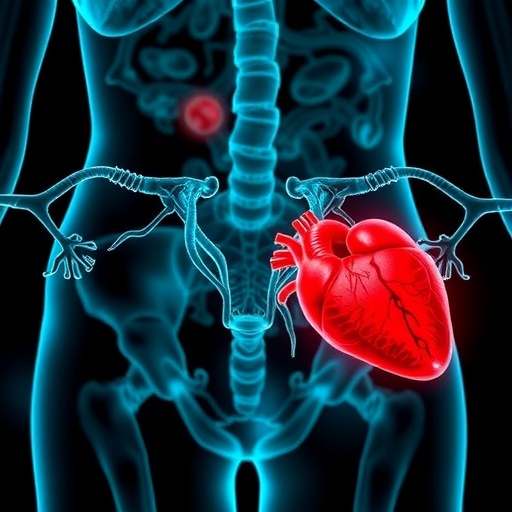
Recent research has unveiled significant findings concerning ovarian aging, cardiovascular risk, and inflammation, particularly in the context of the OVA study. This groundbreaking research, conducted by a multi-disciplinary team led by researchers Christine Verhaeghe, Kendra Lindquist, and Mia Bleil, has highlighted connections between female reproductive health and heart disease, as well as systemic inflammation. The emergence of these insights opens a new chapter in understanding women’s health, emphasizing the need for a comprehensive approach to managing and monitoring risks associated with both ovarian aging and cardiovascular health.
As women age, several biological changes occur that can influence both reproductive capabilities and overall health. The OVA study specifically examines how these aging processes affect cardiovascular risk markers and levels of inflammation. With increasing attention being paid to women’s health issues, this research stands at the forefront of a growing body of literature aimed at better understanding the complex interplay between reproductive health and systemic conditions like heart disease.
Aging ovaries can lead to a range of hormonal changes that impact cardiovascular health. As women approach menopause, decreased estrogen levels may contribute to increased cholesterol levels, changes in vascular function, and heightened inflammatory responses. This transition period is crucial for women, as the risk of cardiovascular diseases often escalates during and after this phase of life. Understanding these changes can empower women to take charge of their health, enabling preventive measures that can mitigate risks associated with aging.
The link between ovarian aging and cardiovascular disease is not merely speculative but is supported by empirical data. The OVA study has mapped out various biomarkers associated with ovarian aging, cardiovascular risk, and inflammation. These metrics provide clinicians and researchers with vital information regarding how a woman’s reproductive system health reflects her overall cardiovascular well-being. It indicates the necessity for routine cardiovascular assessments in women, particularly as they transition into midlife.
Moreover, inflammation has emerged as a central theme in the discussion surrounding ovarian aging and cardiovascular health. Chronic inflammation can significantly impair vascular function and is recognized as a key contributor to heart disease. The researchers of the OVA study have effectively outlined the pathways through which ovarian aging can exacerbate inflammatory processes. Elevated inflammatory markers have been linked to both reproductive aging and heart complications, highlighting a potential area for intervention and treatment.
Understanding the dynamics of estrogen deficiency and its ramifications on health is imperative. Estrogen is not simply a reproductive hormone; it plays a crucial role in maintaining cardiovascular health. The OVA study illustrates that as estrogen production wanes, the body undergoes profound changes that can predispose women to hypertension and other cardiovascular disorders. This knowledge points to the potential benefits of hormone replacement therapies and other interventions tailored to preserve cardiovascular health in aging women.
The implications of this research extend beyond individual health; they carry significant public health considerations. As the global population continues to age, especially in women, the prevalence of cardiovascular disease is expected to rise. By establishing clear correlations between ovarian aging and cardiovascular risk, the OVA study can influence healthcare policies, encouraging the integration of reproductive health perspectives into cardiovascular risk assessments and public health initiatives for women.
Furthermore, the findings encourage a reevaluation of how healthcare providers approach women’s health during different stages of life. Traditionally, discussions about heart health and cardiovascular risks have disproportionately focused on male patients. The insights gained from the OVA study underscore the pressing need for a gender-sensitive approach that recognizes ovarian aging as a critical factor in assessing cardiovascular risk among women.
It is essential to consider these findings within the broader context of lifestyle factors that contribute to both cardiovascular health and ovarian function. Diet, exercise, and stress management play critical roles in modulating the risks associated with aging. The OVA study’s comprehensive analysis provides a framework for future investigations into how lifestyle modifications can improve both reproductive health and cardiovascular outcomes for women.
In conclusion, the revelations from the OVA study signify a pivotal advance in our understanding of the intersection between ovarian aging, cardiovascular risk, and inflammation. By embracing a holistic view of health that incorporates reproductive factors, society can take proactive steps toward empowering women with knowledge and resources to maintain their well-being as they age. This kind of integrative strategy will not only improve individual patient outcomes but also contribute to healthier communities at large.
As researchers continue to unravel the complexities of women’s health, studies like the OVA project form the bedrock of an evolving narrative. These insights are crucial in driving future research directions, fostering collaborations across disciplines, and ultimately enhancing the quality of life for women across the globe. The OVA study symbolizes a beacon of progress in female health research, a call to action for scientists, healthcare providers, and policymakers alike to amplify their focus on the unique health dynamics affecting women as they age.
Remaining vigilant on the evolving landscape of women’s health means acknowledging the profound implications of ovarian aging on cardiovascular risk and systemic inflammation. As more empirical evidence surfaces, we stand at the threshold of a transformative era in women’s health—one that promises to usher in innovative approaches to prevention, therapy, and education. Indeed, the interconnection between reproductive health and cardiovascular disease is an area ripe for exploration and innovation, and the OVA study has undoubtedly set the stage for further inquiry.
Verhaeghe, C., Lindquist, K., Bleil, M. et al. Ovarian aging, cardiovascular risk and inflammation: insights from the OVA study.
J Ovarian Res 18, 164 (2025). https://doi.org/10.1186/s13048-025-01754-8
Cite Scienmag News
Beatrice Stafford. (September 3, 2025). Ovarian Aging: Links to Heart Risk and Inflammation. Scienmag. https://scienmag.com/ovarian-aging-links-to-heart-risk-and-inflammation/
Beatrice Stafford. "Ovarian Aging: Links to Heart Risk and Inflammation." Scienmag, 3 September 2025, https://scienmag.com/ovarian-aging-links-to-heart-risk-and-inflammation/. Accessed 1 September 2026.
Beatrice Stafford. "Ovarian Aging: Links to Heart Risk and Inflammation." Scienmag. September 3, 2025. https://scienmag.com/ovarian-aging-links-to-heart-risk-and-inflammation/


