


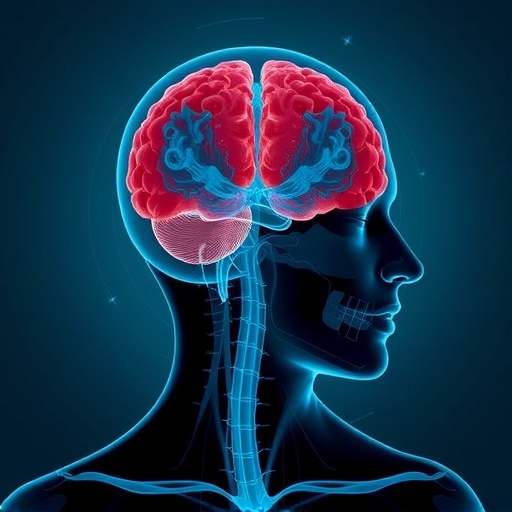
In a groundbreaking study poised to reshape our understanding of the neural basis of fear memory, researchers have unveiled how exercise induces plastic changes within a specific network of inhibitory neurons in the prelimbic cortex, subsequently modulating the expression of fear memories in male mice. This revelation, at the nexus of neuroscience and behavioral science, underscores the profound impact that physical activity can have on brain circuitry linked to emotional regulation, highlighting potential therapeutic avenues for anxiety and trauma-related disorders.
The prelimbic cortex, a subdivision of the medial prefrontal cortex, is known for its pivotal role in the regulation of fear and anxiety. It orchestrates the balance between fear expression and extinction, processes critical for adaptive behavior. Central to this balance are parvalbumin (PV)-expressing interneurons, which provide crucial inhibitory control within local cortical circuits. These fast-spiking neurons shape the timing and synchronization of excitatory neuronal activity, hence sculpting the way fear memories are expressed or suppressed.
Hu and colleagues delved deep into the plasticity of these PV interneurons following physical exercise. Using a well-established mouse model, the researchers exposed male mice to voluntary wheel running, a paradigm that closely mimics naturalistic exercise behaviors. Their findings reveal that exercise triggers a remarkable reconfiguration within the PV network – enhancing the strength and efficiency of inhibitory synapses in the prelimbic cortex. This neuroplasticity, in turn, translates to a modified expression of fear memory, as evidenced by changes in conditioned fear responses.
To uncover these mechanisms, meticulous electrophysiological recordings were performed, demonstrating an increase in inhibitory postsynaptic currents mediated by PV interneurons. This synaptic remodeling was accompanied by molecular alterations suggestive of heightened synaptic connectivity and functionality. The augmented inhibitory tone within the prelimbic cortex serves as a crucial gatekeeper, enabling finer control over the excitatory circuits responsible for fear expression.
Notably, the findings extend beyond simple correlations, as optogenetic manipulations targeting PV interneurons confirmed their causal role. When exercise-enhanced PV activity was selectively inhibited, the usual exercise-induced attenuation of fear responses was abolished, underscoring the indispensable role of PV network plasticity in mediating the cognitive effects of physical activity. This demonstrates that the prelimbic PV circuit is not only modulated by exercise but actively governs how fear memories are behaviorally manifested.
This study contributes to a growing body of evidence positioning physical exercise as a potent modulator of brain function, capable of reshaping neural circuits implicated in mental health disorders. The plasticity exhibited by PV interneurons may underlie exercise’s anxiolytic effects, offering a potential cellular substrate for its beneficial impact on conditions such as post-traumatic stress disorder (PTSD) and anxiety disorders, where dysregulated fear memory expression is a core symptom.
Exploring the molecular underpinnings, the authors illustrated elevated expression of activity-dependent genes within PV neurons post-exercise, hinting at a mechanistic link between physical activity and gene transcription pathways that regulate synaptic remodeling. These findings could pave the way for targeted molecular therapies that mimic or enhance the benefits of exercise on circuit-level plasticity.
The use of male mice exclusively in this study provides a focused lens but also invites inquiries into sex differences in exercise-induced neural plasticity. Given the well-documented gender disparities in anxiety and fear-related disorders, future investigations will be crucial in delineating whether female mice exhibit similar PV network adaptations or distinct mechanisms.
Importantly, the plasticity observed pertains specifically to the prelimbic cortex, a brain region implicated not only in fear regulation but also in higher-order cognitive functions such as decision-making and emotional appraisal. This suggests that exercise-induced enhancements in inhibitory control could have broad cognitive and emotional ramifications beyond fear memory alone.
The intricate balance between excitation and inhibition in cortical networks underpins cognitive flexibility and emotional resilience. The present findings reveal that this balance is dynamically tunable through lifestyle factors like exercise, positioning PV interneurons as a nodal point in the interface between environment and neural circuitry.
Moreover, this study impressively employs cutting-edge technologies, including optogenetics and in vivo electrophysiology, to dissect the causal links between neural dynamics and behavioral outcomes. The methodological rigor enhances confidence in the translational relevance of these findings to human neuropsychiatric conditions.
The translational potential of this research is immense. Exercise as a non-pharmacological intervention carries minimal side effects, and understanding its precise neural targets elevates its application from general wellness to a specific neurotherapeutic strategy. Pharmacological agents designed to potentiate PV interneuron function could emulate exercise benefits for individuals unable to engage in physical activity.
In conclusion, Hu et al. provide compelling evidence that exercise-induced plasticity within the prelimbic PV network plays a crucial role in modulating fear memory expression. This nexus between physical activity and inhibition-centric neuroplasticity opens new vistas for understanding the adaptive brain and harnessing naturalistic interventions for fear-related psychopathologies. As the adage goes, a healthy body contributes to a healthy mind—now, science reveals precisely how that connection is wired within the cortical microcircuitry governing fear.
Cite Scienmag News
Glenn Wilkins. (August 4, 2025). Exercise Shapes Prelimbic Cortex to Control Fear Memory. Scienmag. https://scienmag.com/exercise-shapes-prelimbic-cortex-to-control-fear-memory/
Glenn Wilkins. "Exercise Shapes Prelimbic Cortex to Control Fear Memory." Scienmag, 4 August 2025, https://scienmag.com/exercise-shapes-prelimbic-cortex-to-control-fear-memory/. Accessed 1 September 2026.
Glenn Wilkins. "Exercise Shapes Prelimbic Cortex to Control Fear Memory." Scienmag. August 4, 2025. https://scienmag.com/exercise-shapes-prelimbic-cortex-to-control-fear-memory/


