


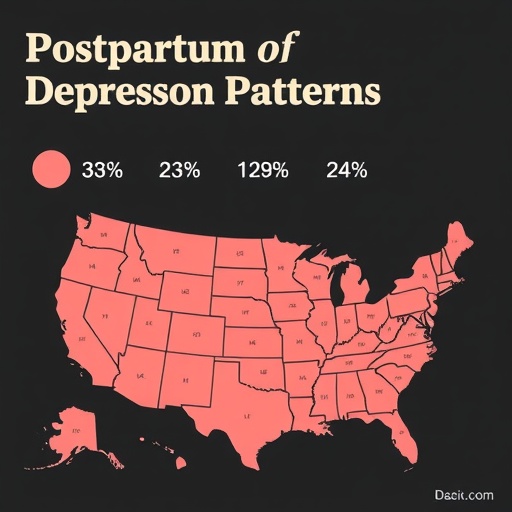
In the labyrinth of modern medicine, postpartum depression (PPD) remains an intricate and pressing challenge that affects countless mothers globally. A groundbreaking study recently published in BMC Psychiatry sheds new light on real-world pharmacotherapy treatment patterns among patients diagnosed with PPD in the United States. This investigation delves deep into the medication usage trends post-diagnosis, revealing complexities that could reshape how clinicians approach therapeutic strategies for new mothers battling this condition.
The study retrospectively analyzed data from two expansive U.S. claims databases, Symphony Health (SH) and Myriad Genetics-Komodo Health (MGKH), encompassing over 146,000 patients diagnosed with PPD within 180 days following childbirth. These massive cohorts provided an unprecedented window into the pharmacological realities faced by women grappling with PPD in authentic clinical environments, rather than controlled trial scenarios. The researchers meticulously tracked prescription fills over the span of one year post-diagnosis, scrutinizing patterns and shifts in the use of psychiatric medications often prescribed to combat depressive symptoms.
Findings revealed a striking pattern: a majority of patients initiated pharmacotherapy within the first year of diagnosis (64.9% in SH and 76.4% in MGKH). Such high engagement rates affirm pharmacotherapy’s critical role in addressing postpartum mental health. However, the narrative took a nuanced turn as the data unveiled frequent discontinuation episodes—occurring in over 60% of treated patients. This high attrition rate underscores the challenge of maintaining consistent treatment, potentially reflecting issues such as side effects, medication inefficacy, or patient adherence difficulties.
Particularly compelling was the identification of selective serotonin reuptake inhibitors (SSRIs) as the cornerstone of first-line treatment regimes. SSRIs accounted for more than 70% of initial pharmacotherapy choices, with sertraline emerging as the most commonly prescribed SSRI. This preference aligns with sertraline’s favorable safety profile during breastfeeding and its established efficacy in treating depressive disorders. Still, the research suggests that while SSRIs dominate early treatment, their success is far from guaranteed, given the high rates of subsequent treatment discontinuation or modification.
Delving deeper, the study exposed a landscape of dynamic and heterogeneous treatment pathways. Among those receiving pharmacotherapy, a substantial fraction—16.6% in SH and 18.3% in MGKH—experienced multiple medication trials involving three or more distinct psychiatric agents. Such patterns presumably denote attempts to tailor treatment to individual patient responses or manage emerging side effects. This cycling through medications not only reflects the challenges of achieving symptom remission but also spotlights the complexity and unpredictability of PPD as a neuropsychiatric condition.
Later-stage treatments post-failure of initial SSRIs exhibited no singular dominant therapeutic strategy or medication class. The absence of a clear majority in this phase suggests considerable clinical uncertainty or variability in prescriber preferences when first-line options fall short. This heterogeneity might indicate a pressing need for better guidance, alternative pharmacological options, or adjunctive interventions in managing persistent PPD symptoms.
The widespread patterns of frequent medication changes and discontinuations also hint at a broader narrative about the lived experiences of postpartum women undergoing treatment. Factors such as medication tolerability, breastfeeding concerns, stigma, access to healthcare, and individual neurobiology converge to influence pharmacotherapy journeys. These insights bring to light the importance of personalized medicine approaches and highlight gaps remaining in the standard treatment frameworks for PPD.
On a technical level, the study’s reliance on large-scale pharmacy claims data ensures robust ecological validity but naturally comes with limitations intrinsic to database analyses. For instance, prescription fills do not equate to medication consumption, and clinical nuances such as symptom severity, patient preference, and psychosocial factors remain unrecorded. Nevertheless, the massive sample sizes and longitudinal data offer valuable, real-world evidence often absent from randomized controlled trials, shining a light on actual prescribing behaviors and patient adherence outside academic contexts.
Perhaps most vital, the findings carry significant implications for future clinical practice and research. That many patients require multiple medication trials before achieving stabilization signals a crucial need for innovation. Whether through developing novel pharmacotherapies with improved efficacy and safety, integrating psychotherapeutic modalities, or refining diagnostic criteria, the current standard cannot satisfactorily meet all patient needs. The heterogeneity in treatment responses also exhorts the community to pursue biomarkers or predictive tools capable of guiding individualized intervention choices.
As postpartum depression continues to challenge mothers’ well-being during a vulnerable period, understanding the complexity of real-world treatment patterns is critical. This study offers a clarion call for clinicians, researchers, and policymakers alike to reevaluate existing paradigms, expanding the treatment repertoire to better accommodate patient heterogeneity. Furthermore, enhanced patient education and support mechanisms are essential to reduce premature treatment discontinuation and improve long-term outcomes for mothers and their families.
In sum, this comprehensive analysis illuminates the multifaceted pharmacotherapy landscape for postpartum depression across the United States. By revealing the predominance of SSRIs, high discontinuation and switching rates, and the absence of a clear consensus beyond first-line treatment, the study underscores the urgent need for tailored, flexible treatment strategies. It is a pivotal contribution that beckons further exploration into personalized medicine, aiming to transform postpartum mental health care and ultimately foster healthier futures for mothers everywhere.
Cite Scienmag News
Glenn Wilkins. (June 4, 2025). Postpartum Depression Treatment Patterns in US. Scienmag. https://scienmag.com/postpartum-depression-treatment-patterns-in-us/
Glenn Wilkins. "Postpartum Depression Treatment Patterns in US." Scienmag, 4 June 2025, https://scienmag.com/postpartum-depression-treatment-patterns-in-us/. Accessed 4 September 2026.
Glenn Wilkins. "Postpartum Depression Treatment Patterns in US." Scienmag. June 4, 2025. https://scienmag.com/postpartum-depression-treatment-patterns-in-us/


