


*Please mention the ESCMID Global Congress (formerly ECCMID) Barcelona, 27-30 April) if using this material*
*Please mention the ESCMID Global Congress (formerly ECCMID) Barcelona, 27-30 April) if using this material*
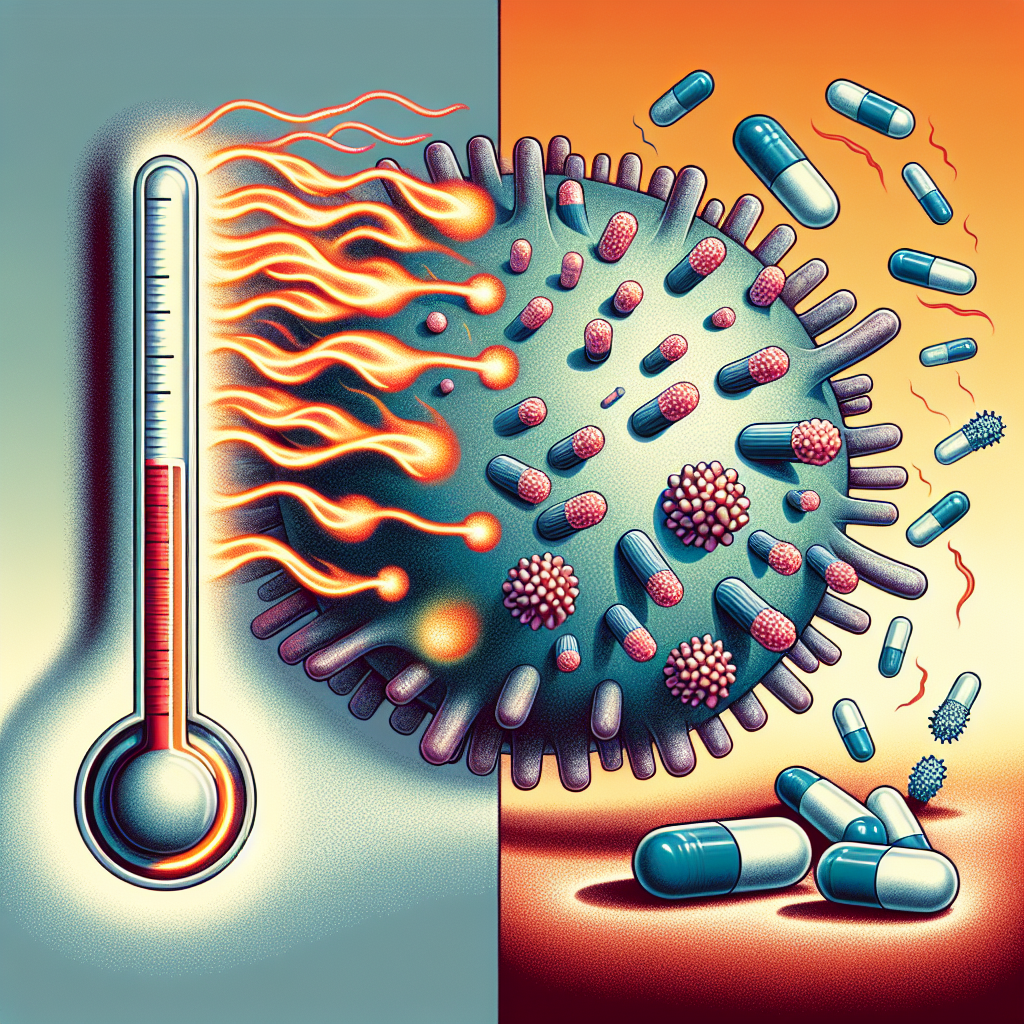
Climate change is multiplying the threat caused by antimicrobial resistance (AMR), amplifying its growing risk through increasing global temperatures, greenhouse gas emissions and rising sea levels. This warning along will be given in a new evidence review at this year’s ESCMID Global Congress (formerly ECCMID) (27-30 April), by Professor Sabiha Essack, South African Research Chair in Antibiotic Resistance and One Health at the Antimicrobial Research Unit, University of KwaZulu-Natal, Durban, South Africa.
Prof Essack explains that climate change is known as the threat multiplier for AMR because it exerts it effects through transport and population growth on spread of disease, while also increasing risk of AMR at the biological level by changing the physical and environmental conditions in which microbes live. “Climate change compromises the ecological and environmental integrity of living systems and enables pathogens to increasingly cause disease. The impact on water systems, food-producing animals and crops threatens global food supply. Human activities associated with population growth and transport, together with climate change increases antibiotic resistance and the spread of waterborne and vector- borne diseases of humans, animals and plants.”
She explains that, as for all life, temperature is critical to bacterial processes and infections. “As temperatures increase with climate change, bacterial infection rates may increase and diseases can spread to higher altitudes and latitudes where they were not previously found,” says Professor Essack. “Examples include rising temperatures in water systems contributing to the better survival of Campylobacter, Salmonella and Vibrio species that cause water-borne and food-borne diseases. Candida auris has gained thermo-tolerance and salinity (salt) tolerance on wetland ecosystems. Escherichia coli and some of the ESKAPE pathogens grow optimally at 32-36oC.” ESKAPE pathogens are a group of pathoghens, Enterococci, S. aureus, K. pneumoniae, A baumannii, P aeruginosa and Enterobacter, that can ‘escape’ the action of antibiotics.
She adds: “The increased temperatures and incidence and prevalence of infectious diseases will increase antimicrobial use and subsequent selection pressure for resistance – or in other words, make it easier for microbes to develop AMR.” She considers an example from a study* in the USA, where a map of increasing E. Coli resistance mirrors changes in temperature over 30 years. With more countries experiencing higher average temperatures each season, the ability of these bacteria to become antibiotic-resistant is increasing.
As documented in the 2021 climate report** sea levels are rising at their fastest rates in 3000 years, and Arctic and Antarctic ice are melting and retreating rapidly, with reports of antimicrobial resistance genes being released from permafrost in Siberia and Alaska (Genes encoding beta-lactamases, efflux pumps and acetyl transferases have been identified and confer resistance to several antibiotic classes). Prof Essack says: “Climate change is also causing ocean currents to move and with them will move the antimicrobial resistance genes. Ship ballasts (compartments on ships containing water to aid stability) have also been implicated in the transport of AMR across seas. Vibrio bacteria are of particular concern. These bacteria are marine pathogens that thrive in slightly salty water in warm climates. An increase in sea surface temperature due to climate change can alter vibrio abundance, distribution, and patterns of infection.” Cholera characterised by diarrhoea is an example of such infections, which are on the rise.***
Prof Essack concludes: “Climate change has facilitated movement and proliferation of AMR. To deal with this threat, we will need unequivocal political leadership and commitment; strong global and local policy frameworks and governance; evidence-based, innovative ‘One Health’ solutions, and implementation research to adapt successful interventions to country contexts.”
“These partnerships must include a wide range of societal interests that will suspend interests of individual sectors for the public good. Initiatives that aim to make progress in climate change or AMR should join forces and highlight each other to make clear their mutual benefits.”
Article Publication Date
24-Apr-2024
COI Statement
Professor Essack declares no conflicts of interest.
Cite Scienmag News
Kristina Jarvis. (April 24, 2024). Climate change is multiplying the threat caused by antimicrobial resistance. Scienmag. https://scienmag.com/climate-change-is-multiplying-the-threat-caused-by-antimicrobial-resistance/
Kristina Jarvis. "Climate change is multiplying the threat caused by antimicrobial resistance." Scienmag, 24 April 2024, https://scienmag.com/climate-change-is-multiplying-the-threat-caused-by-antimicrobial-resistance/. Accessed 23 November 2026.
Kristina Jarvis. "Climate change is multiplying the threat caused by antimicrobial resistance." Scienmag. April 24, 2024. https://scienmag.com/climate-change-is-multiplying-the-threat-caused-by-antimicrobial-resistance/




