


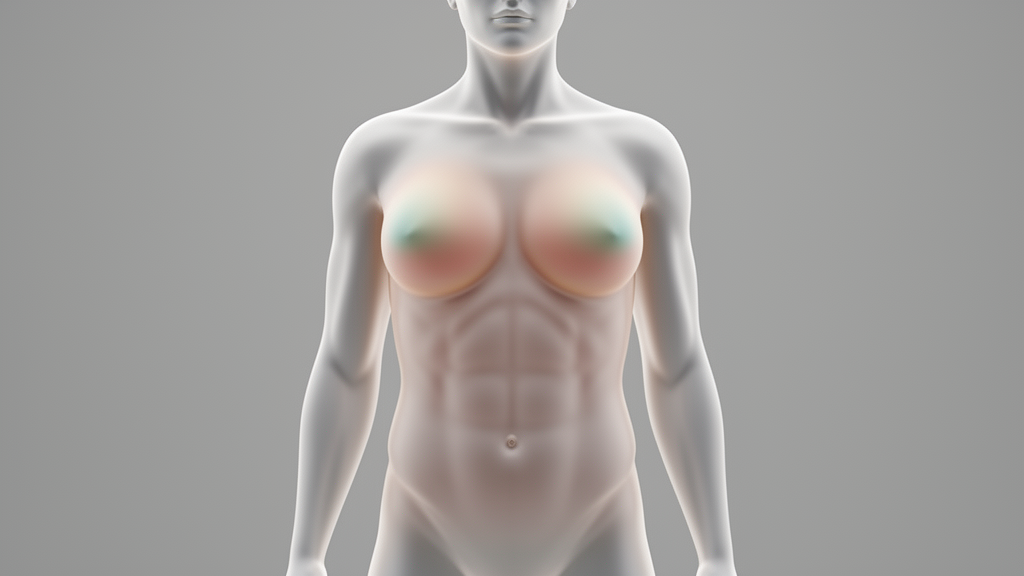
Published in the journal Fashion and Textiles, the study utilized the SizeUSA database, a nationwide anthropometric dataset, to investigate the complex relationships among ethnicity, Body Mass Index (BMI), and specific torso dimensions. The quantitative analysis focused on bust, waist, and hip girths, as well as bra cup sizes, aiming to provide insights for the design of inclusive and well-fitted foundation garments for a diverse population.
The study employed a quantitative approach using statistical techniques including analysis of variance (ANOVA), cluster analysis, and chi-square tests. The sample comprised 1,400 non-Hispanic White women, 617 non-Hispanic Black women, 275 Asian women, 235 non-Mexican Hispanic women, and 223 Mexican Hispanic women. The researchers selected the age range of 26 to 45 to focus on a younger adult population, excluding women aged 46 and above to avoid aging-related changes in body and posture that could confound the analysis of body shape variations.
Using twelve specific body measurement items and four derived drop values, the team calculated bra cup sizes based on the difference between bust girth and underbust girth, a standard industry practice. The drop values, such as hip-to-waist and bust-to-waist differences, served as key indicators for classifying body shapes. The study acknowledged that while BMI is a standardized metric for identifying weight distribution patterns, it has limitations as a direct measure of health status across different ethnic groups, particularly regarding body fat percentage and distribution.
The cluster analysis identified three distinct body shape types: Triangle, Rectangle, and Inverted Triangle. The Triangle shape, comprising 1,077 individuals, was characterized by larger hips compared to the upper body and a moderate bra cup size, with cup size C being the most prevalent. This shape often presents fit challenges such as tightness around the hip area and looseness in the bust region. The Rectangle shape, consisting of 695 individuals, exhibited smaller waist-to-hip differences and a moderate cup size, resulting in garments that may appear less fitted at the waistline.
The Inverted Triangle shape, which included 977 individuals, was defined by a larger upper body relative to the hips and a large bra cup size, with the D cup being the most common. This body type may encounter gaping or tightness around the bust and shoulder areas. The distribution of these shapes varied significantly by ethnicity; the Triangle group comprised a higher percentage of Black and White women, while the Rectangle group was predominantly Asian. Conversely, Mexican Hispanic and non-Mexican Hispanic women dominated the Inverted Triangle group, highlighting distinct morphological patterns across these populations.
Regarding BMI categories, the study found notable variations among the ethnic groups. Among White women, 48.9% were in the healthy weight category, nearly equal to the combined percentage of overweight (25.7%) and obese (22.3%) women. In contrast, most Black women were either obese (48.3%) or overweight (27.7%), with only 23.0% in the healthy weight range. Asian women had the highest proportion of healthy weight individuals (65.1%) but also the highest underweight proportion (6.9%). Non-Mexican Hispanic women were most frequently overweight (42.1%), while Mexican Hispanic women were predominantly overweight (39.5%) or obese (33.6%).
ANOVA results indicated significant differences in bust-related measurements across ethnic groups. Black women generally exhibited the largest measurements for weight, BMI, and bust girth, followed by Mexican Hispanic, non-Mexican Hispanic, White, and Asian women. However, height showed a different trend, with Black and White women being taller, while Asian, Mexican Hispanic, and non-Mexican Hispanic women were shorter. The drop values also varied; White and non-Mexican Hispanic women had the largest bust-to-underbust drop values, suggesting greater breast volume, whereas Asian women had the smallest. These discrepancies highlight the importance of interpreting body shape in conjunction with bra cup sizes rather than relying solely on girth measurements.
The relationship between BMI and body shape revealed a consistent trend across all ethnic groups: as BMI increased, the prevalence of the Rectangle body shape also increased. This suggests that as body size increases, the body does not grow proportionally in the bust, waist, and hip areas, but rather exhibits changes in overall shape. This finding is significant for plus-size grading in the apparel industry, as it recommends considering body shape changes rather than merely increasing measurements proportionally. The study noted that obese women were more frequently categorized in the Triangle and Rectangle groups compared to healthy-weight women.
Bra cup size distributions also varied by ethnicity and BMI. White women predominantly wore C and D cups, while Black women showed a distinct trend with higher proportions of AA and DD cups. Asian women most commonly wore B and C cups, with a higher prevalence of A cups compared to other groups. Mexican Hispanic women predominantly wore C cups, while non-Mexican Hispanic women commonly wore C and D cups. As BMI increased to the overweight and obese categories, a transition toward larger cup sizes, such as C, D, and DD, was observed across all ethnicities. However, Asian women exhibited smaller cup sizes in each BMI range, and underweight and obese women showed a relatively higher prevalence of AA cups.
In the Inverted Triangle group, larger cup sizes such as D, DD, and E were markedly more frequent, suggesting a correlation between this body shape and larger bust sizes. Ethnic differences persisted within the same body shape category; for instance, Black, White, and non-Mexican Hispanic women in the Inverted Triangle group predominantly wore D cups, whereas Asian women primarily wore C cups. Mexican Hispanic women consistently demonstrated the highest C-cup prevalence across all three body shapes, despite having large bust girths, indicating that increased bust circumference in this group may result more from torso width or underbust dimensions rather than breast volume.
The study highlights the need for inclusive sizing systems that account for the diversity of body shapes and bust-related measurements across ethnicities. Traditional grading methods often scale patterns proportionally, which may not accommodate the specific fit issues associated with different body shapes, such as the tightness in hips for Triangle shapes or the bust gaping for Inverted Triangle shapes. The findings suggest that developing size charts and garment patterns should adjust bust, waist, and hip measurements according to the target ethnic group and body shape category to ensure optimal fit and comfort.
Limitations of the study include its reliance on the SizeUSA dataset, which may constrain generalizability due to potential regional differences. The use of broad ethnicity categories may mask meaningful within-group variation, and the disproportionate sample sizes across ethnic groups could limit the reliability of subgroup comparisons. Future research should utilize broader global datasets and adopt more detailed ethnicity standards to refine these findings. Nevertheless, the study provides valuable insights for the fashion industry to advance data-driven adaptive pattern design, improving fit and accessibility for a diverse population.
The research team, including MyungHee Sohn and Dong-Eun Kim, selected the 26-to-45 age range specifically to exclude women aged 46 and older, as aging-related changes in body and posture become more pronounced in the upper body during mid-life. By focusing on this younger adult population, the study aimed to maintain a sample aligned with its objectives of analyzing body shape variations without the confounding effects of age-related morphological shifts. The SizeUSA dataset, which serves as a nationwide anthropometric resource, provided the anthropometric data for this analysis. The researchers noted that the dataset reports ethnicity using predefined survey categories selected by participants, a method that reflects common industry practices but may combine heterogeneous subpopulations within broad groups.
To visualize the distinct body shapes identified in the cluster analysis, the researchers utilized CLO version 2024, a 3D virtual simulation software. Key measurements, including bust girth, underbust girth, side neck to bust, back shoulder width, waist girth, hip girth, and height, were entered into a 3D avatar to create visual representations of the ethnic groups and the three body shape categories. This visualization process was constrained by the software’s limitations, which only allow input for specific measurement locations on the avatar. The resulting 3D models helped illustrate the morphological differences between the Triangle, Rectangle, and Inverted Triangle shapes, providing a clearer picture of how these proportions manifest in a three-dimensional context.
The study’s findings have direct implications for the apparel industry’s approach to pattern grading and size chart development. Traditional grading methods typically scale patterns proportionally, maintaining consistent dart intake amounts across all sizes. However, the data suggests that this approach may not adequately accommodate the specific fit issues associated with different body shapes. For instance, the Triangle shape often experiences tightness around the hip area and looseness in the bust region, while the Inverted Triangle shape may encounter gaping or tightness around the bust and shoulders. The researchers emphasized that bust circumference should not be analyzed in isolation but rather in conjunction with bra cup size to develop effective size charts that cater to diverse body shapes.
Despite the detailed analysis, the study acknowledges several limitations that affect the interpretation of its results. The reliance on the SizeUSA dataset may constrain the generalizability of the findings due to potential regional differences within the United States. Furthermore, the use of broad ethnicity categories, such as White, Black, Asian, and Hispanic, may mask meaningful within-group variation in BMI, body measurements, and cup size. The sample sizes across these ethnic groups were also disproportionate, which could limit the reliability of subgroup comparisons. The authors suggest that future research should utilize broader global datasets and adopt more detailed ethnicity standards, such as those from the U.S. Census Bureau, to enable more refined analyses and validate these findings across diverse populations.
Subject of Research: Anthropometric analysis of body shape and bust variations across ethnic groups and BMI categories using SizeUSA data.
Article Title: Body shape and bust variations by ethnicity and BMI using SizeUSA data
Article References: Sohn, M., & Kim, D.-E. (2026). Body shape and bust variations by ethnicity and BMI using SizeUSA data. Fashion and Textiles, 13(1), Article 8. https://doi.org/10.1186/s40691-026-00456-z
Image Credits: AI Generated
DOI: 10.1186/s40691-026-00456-z
Keywords: anthropometry, body shape, ethnicity, BMI, bra sizing, apparel fit, SizeUSA, fashion design, inclusive sizing, cluster analysis, Body, shape
Cite Scienmag News
Denise Maddox. (November 8, 2026). Study Maps Body Shape and Bust Variations Across US Ethnicities. Scienmag. https://scienmag.com/study-maps-body-shape-and-bust-variations-across-us-ethnicities/
Denise Maddox. "Study Maps Body Shape and Bust Variations Across US Ethnicities." Scienmag, 8 November 2026, https://scienmag.com/study-maps-body-shape-and-bust-variations-across-us-ethnicities/. Accessed 10 November 2026.
Denise Maddox. "Study Maps Body Shape and Bust Variations Across US Ethnicities." Scienmag. November 8, 2026. https://scienmag.com/study-maps-body-shape-and-bust-variations-across-us-ethnicities/




