


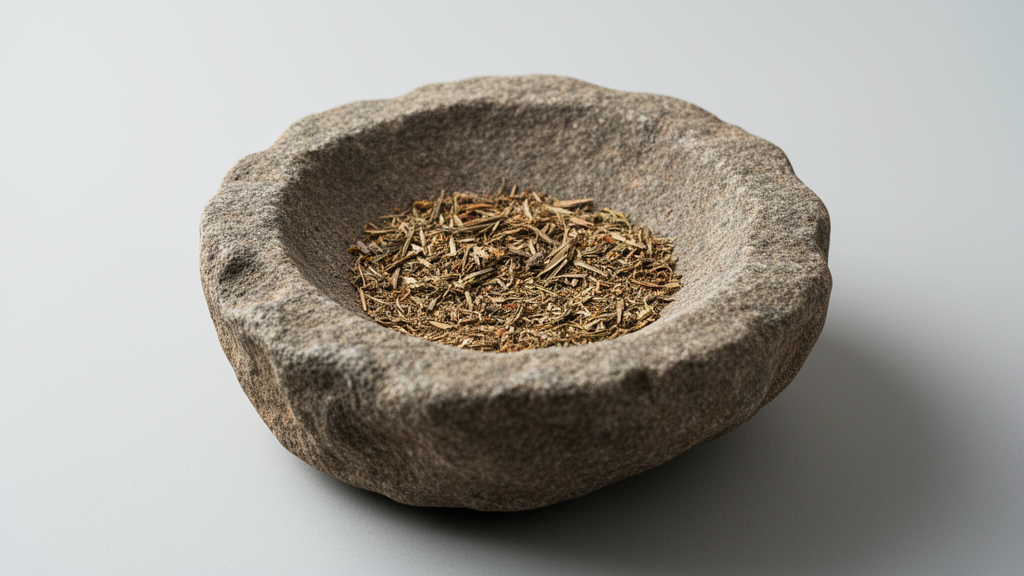
Researchers have presented an integrative analysis of lithic artifacts from two archaeological localities in the Southern Pampean Hills of Córdoba, Argentina, shedding light on the transition from hunter-gatherer to food-producing lifeways in central Argentina. The study, published in Archaeological and Anthropological Sciences, focuses on polished stone tools manufactured through pecking, abrasion, and polishing techniques. By combining techno-morphological, microbotanical, and traceological analyses, the team reconstructed the life histories of these artifacts and estimated their possible functions, offering insights into daily practices related to plant processing.
The investigation centers on sites in the Ongamira valley within the Ischilín Department and Characato in the Cruz del Eje Department. These locations are situated in the Chaco Serrano Forest, a biogeographical region characterized by specific wild plant species. The research addresses a central topic of ongoing debate in the region: the study of hunter-gatherer societies and their shift toward food-producing strategies.
Microscopic analysis of the stone artifacts revealed numerous use-wear traces associated with the processing of plant resources. Furthermore, the study identified starch grains and phytoliths embedded in the artifacts, originating from both wild and cultivated taxa. The evidence included wild species characteristic of the Chaco Serrano Forest, the biogeographical region where the sites are located.
In addition to wild taxa, the analysis detected cultivated plants associated with small-scale horticultural practices. These cultivated species are typical of the last two thousand years of human occupation in the area.
The integrated approach of the study provides valuable insights into production strategies, plant exploitation practices, and the underlying processes of change in central Argentina.
Subject of Research: Functional and microbotanical analysis of polished stone artifacts from the Southern Pampean Hills, Argentina
Article Title: Grinding, processing, and reuse: an integrated functional and microbotanical study of polished stone artifacts from the Southern Pampean Hills (Ongamira and Characato, Córdoba, Argentina)
Article References: Brizuela, C., Tavarone, A., Robledo, A., & Cattáneo, R. (2026). Grinding, processing, and reuse: an integrated functional and microbotanical study of polished stone artifacts from the Southern Pampean Hills (Ongamira and Characato, Córdoba, Argentina). Archaeological and Anthropological Sciences, 18(12), 229. https://doi.org/10.1007/s12520-026-02598-z
Image Credits: AI Generated
DOI: 10.1007/s12520-026-02598-z
Keywords: archaeology, stone tools, microbotany, plant processing, hunter-gatherer, Argentina, Córdoba, use-wear, phytoliths, starch grains, horticulture, subsistence
Cite Scienmag News
Courtney Benton. (November 7, 2026). Stone Artifacts Reveal Plant Processing in Argentina. Scienmag. https://scienmag.com/stone-artifacts-reveal-plant-processing-in-argentina/
Courtney Benton. "Stone Artifacts Reveal Plant Processing in Argentina." Scienmag, 7 November 2026, https://scienmag.com/stone-artifacts-reveal-plant-processing-in-argentina/. Accessed 12 November 2026.
Courtney Benton. "Stone Artifacts Reveal Plant Processing in Argentina." Scienmag. November 7, 2026. https://scienmag.com/stone-artifacts-reveal-plant-processing-in-argentina/




