

Monday, October 26, 2026
Science
No Result
View All Result
  • Login
  • HOME
  • SCIENCE NEWS
  • CONTACT US
  • HOME
  • SCIENCE NEWS
  • CONTACT US
No Result
View All Result
Scienmag
No Result
View All Result
Home Science News Medicine

Placental ageing may drive pre-eclampsia, study finds

October 26, 2026
in Medicine
Beatrice Stafford
By Beatrice Stafford Scienmag Editorial Profile - Chronobiology
Reading Time: 3 mins read
0
Placental ageing may drive pre-eclampsia, study finds

Placental ageing may drive pre-eclampsia, study finds

65
SHARES
587
VIEWS
Share on FacebookShare on Twitter
ADVERTISEMENT

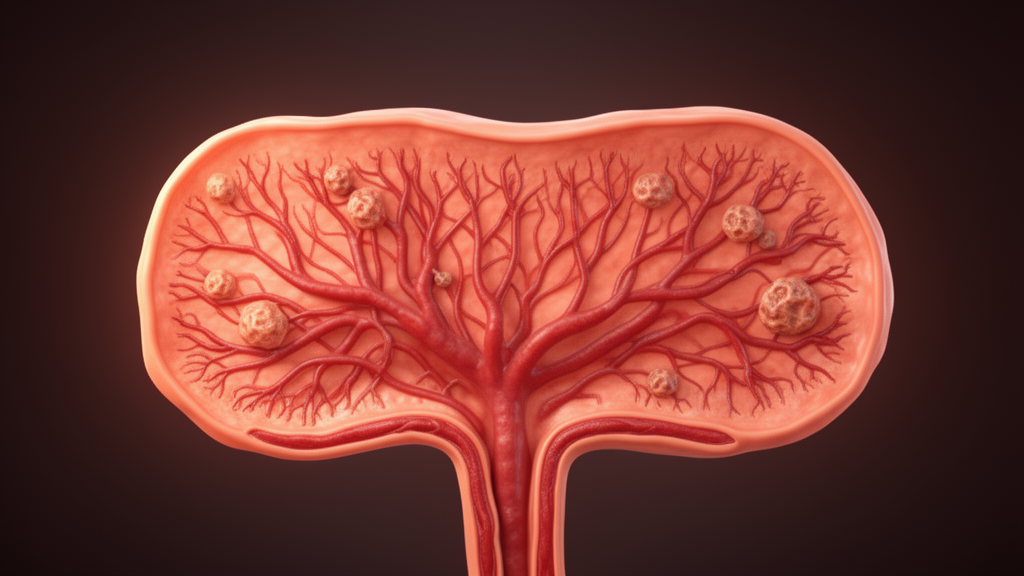
Placentas affected by pre-eclampsia show multiple hallmarks of accelerated ageing, including increased DNA damage, shortened telomeres and an accumulation of cells that have stopped functioning normally, according to a study led by Flinders University in collaboration with the Robinson Research Institute at Adelaide University. The research, published in the Proceedings of the National Academy of Sciences, examined placental tissue from healthy pregnancies and pregnancies affected by late-onset pre-eclampsia, and used laboratory-grown mini-placentas known as trophoblast organoids to probe the underlying biology in greater detail. The findings suggest that placental ageing may not merely be a consequence of the disease, but a process that actively contributes to it.

Pre-eclampsia affects up to 8% of pregnancies worldwide and contributes to roughly 16% of maternal deaths globally, making it one of the most serious complications of pregnancy. For women diagnosed with the condition, the only cure is often to deliver the baby, even when the pregnancy has not reached full term. The placenta acts as a baby’s lifeline during pregnancy, supplying oxygen and nutrients while removing waste, and when it malfunctions the risks to both mother and baby increase significantly. Understanding what damages the placenta has therefore been a central goal for researchers seeking ways to protect pregnancies at risk.

Lead author Dr Anya Arthurs, of Flinders Health and Medical Research Institute, said the study went beyond identifying a damaged placenta to investigate what may cause that damage. According to the researchers, previous work had linked placental ageing to pregnancy complications, but the processes driving a placenta to age prematurely were poorly understood. The team set out to identify those processes, and their findings point to specific biological pathways that could eventually serve as targets for future treatments aimed at preserving placental function.

A major contributor to the ageing changes was oxidative stress, a condition in which harmful molecules accumulate faster than the body’s natural defences can remove them, damaging cells and tissues. In placentas affected by pre-eclampsia, the researchers found that oxidative stress appeared to accelerate the build-up of cellular damage associated with ageing. Notably, when the team reduced oxidative stress in their laboratory models, several markers of placental ageing lessened, an observation the researchers described as particularly encouraging for future therapeutic exploration.

The study also revealed an important role for molecules called telomeric repeat-containing RNAs, or TERRAs, which help protect the ends of chromosomes and maintain healthy cell function. Levels of these molecules were lower in placentas affected by pre-eclampsia. When the researchers reduced TERRA levels in laboratory models, signs of cellular ageing became even more pronounced, suggesting that these molecules help guard placental cells against the ageing process and that their loss may contribute to the accelerated ageing seen in the disease.

The researchers emphasised that further work is needed before any new therapies could be used during pregnancy. However, they said the findings help pinpoint biological pathways that may eventually support better prevention of complications, earlier identification of pregnancies at risk, and improved care for mothers and babies. The work was published as an experimental study based on human tissue samples, with the authors declaring no competing interests.

Subject of Research: Accelerated placental ageing and its biological pathways in late-onset pre-eclampsia

Article Title: Fast-ageing placentas may explain pre-eclampsia risks

Article References: Fast-ageing placentas may explain pre-eclampsia risks. Original publication (Bibliographic details unavailable.)

Image Credits: AI Generated

DOI: Not provided

Keywords: pre-eclampsia, placenta, placental ageing, oxidative stress, telomeres, TERRA, trophoblast organoids, DNA damage, pregnancy complications, maternal health, Flinders University, PNAS

Cite Scienmag News

Beatrice Stafford. (October 26, 2026). Placental ageing may drive pre-eclampsia, study finds. Scienmag. https://scienmag.com/placental-ageing-may-drive-pre-eclampsia-study-finds/

Beatrice Stafford. "Placental ageing may drive pre-eclampsia, study finds." Scienmag, 26 October 2026, https://scienmag.com/placental-ageing-may-drive-pre-eclampsia-study-finds/. Accessed 26 October 2026.

Beatrice Stafford. "Placental ageing may drive pre-eclampsia, study finds." Scienmag. October 26, 2026. https://scienmag.com/placental-ageing-may-drive-pre-eclampsia-study-finds/


Tags: biological markerscellular senescence in placental cellsDNA damageFlinders Universityglobal maternal health and pregnancy complicationsimpact of placental health on maternal and fetal outcomeslaboratory models of placental aginglate-onset pre-eclampsia pathophysiologyMaternal healthmechanisms of placental deteriorationOxidative stressplacentaplacental ageingPlacental ageing and pre-eclampsiaplacental DNA damage in pregnancyPNASpre-eclampsiapregnancy complicationsrole of placental dysfunction in pre-eclampsiatelomere shortening in placental tissuetelomeresTERRAtrophoblast organoidstrophoblast organoids in pregnancy research
Share26Tweet16
Previous Post

AFAR to Honor Barzilai, Gerlach, and Hodes at November 5 Awards Ceremony

Next Post

Physical Activity May Weaken the Link Between Genetic Risk and Depression Severity

Related Posts

Physical Activity May Weaken the Link Between Genetic Risk and Depression Severity
Medicine

Physical Activity May Weaken the Link Between Genetic Risk and Depression Severity

October 26, 2026
AFAR to Honor Barzilai, Gerlach, and Hodes at November 5 Awards Ceremony
Medicine

AFAR to Honor Barzilai, Gerlach, and Hodes at November 5 Awards Ceremony

October 26, 2026
One-Month Urinary Copper Test Flags Early Worsening in Wilson’s Disease on Ultra-Low Penicillamine
Medicine

One-Month Urinary Copper Test Flags Early Worsening in Wilson’s Disease on Ultra-Low Penicillamine

October 26, 2026
Cryptogenic Organizing Pneumonia Shows Strong Survival but Relapses in Over 20% of Chinese Patients
Medicine

Cryptogenic Organizing Pneumonia Shows Strong Survival but Relapses in Over 20% of Chinese Patients

October 26, 2026
High Altitude Reshapes Diabetes Drug Dapagliflozin in Rats, With Effects Fading Over Time
Medicine

High Altitude Reshapes Diabetes Drug Dapagliflozin in Rats, With Effects Fading Over Time

October 26, 2026
Rare Malignant Tumor Found Growing in the Greater Omentum in 37-Year-Old Man
Medicine

Rare Malignant Tumor Found Growing in the Greater Omentum in 37-Year-Old Man

October 26, 2026
Next Post
Physical Activity May Weaken the Link Between Genetic Risk and Depression Severity

Physical Activity May Weaken the Link Between Genetic Risk and Depression Severity

  • Mothers who receive childcare support from maternal grandparents show more optimized

    Mothers who receive childcare support from maternal grandparents show more parental warmth, finds NTU Singapore study

    27656 shares
    Share 11059 Tweet 6912
  • University of Seville Breaks 120-Year-Old Mystery, Revises a Key Einstein Concept

    1061 shares
    Share 424 Tweet 265
  • Bee body mass, pathogens and local climate influence heat tolerance

    682 shares
    Share 273 Tweet 171
  • Researchers record first-ever images and data of a shark experiencing a boat strike

    546 shares
    Share 218 Tweet 137
  • Groundbreaking Clinical Trial Reveals Lubiprostone Enhances Kidney Function

    531 shares
    Share 212 Tweet 133
Science

Embark on a thrilling journey of discovery with Scienmag.com—your ultimate source for cutting-edge breakthroughs. Immerse yourself in a world where curiosity knows no limits and tomorrow’s possibilities become today’s reality!

RECENT NEWS

  • Physical Activity May Weaken the Link Between Genetic Risk and Depression Severity
  • Placental ageing may drive pre-eclampsia, study finds
  • AFAR to Honor Barzilai, Gerlach, and Hodes at November 5 Awards Ceremony
  • New aerospace journal xAerospace opens applications for editorial board roles

Categories

  • Agriculture
  • Anthropology
  • Archaeology
  • Athmospheric
  • Biology
  • Biotechnology
  • Blog
  • Bussines
  • Cancer
  • Chemistry
  • Climate
  • Earth Science
  • Editorial Policy
  • Marine
  • Mathematics
  • Medicine
  • Pediatry
  • Policy
  • Psychology & Psychiatry
  • Science Education
  • Science News
  • Social Science
  • Space
  • Technology and Engineering

Subscribe to Blog via Email

Enter your email address to subscribe to this blog and receive notifications of new posts by email.

Join 5,151 other subscribers

© 2025 Scienmag - Science Magazine

Welcome Back!

Login to your account below

Forgotten Password?

Retrieve your password

Please enter your username or email address to reset your password.

Log In
No Result
View All Result
  • HOME
  • SCIENCE NEWS
  • CONTACT US

© 2025 Scienmag - Science Magazine

Discover more from Science

Subscribe now to keep reading and get access to the full archive.

Continue reading