


A large prospective cohort study from China, published online in the Chinese Medical Journal on August 14, 2026, reports that patients with cryptogenic organizing pneumonia (COP) face an excellent long-term survival outlook, yet more than one in five experiences a disease relapse, most often after glucocorticoid therapy has been tapered or stopped. The research was led by Professor Huaping Dai of the Department of Pulmonary and Critical Care Medicine at China-Japan Friendship Hospital in Beijing, working with colleagues including Weiqing Meng of Peking Union Medical College. Between March 2004 and June 2022, the team enrolled patients from two respiratory institutions and followed them prospectively until October 2023, assembling one of the largest long-term prospective COP cohorts in China to date.
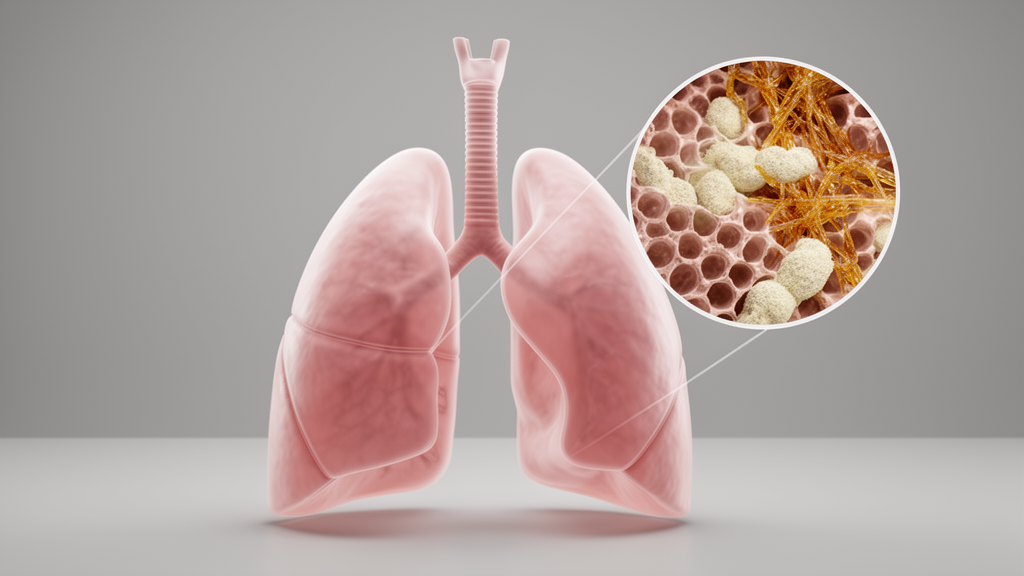
Cryptogenic organizing pneumonia is a subtype of idiopathic interstitial pneumonia, characterized histologically by polypoid granulation tissue within the lumens of bronchioles and alveolar ducts without a definite cause. Although its overall prognosis is considered superior to that of other interstitial lung diseases, frequent relapse imposes prolonged glucocorticoid exposure and substantial burden on patients. Prior international studies have yielded inconsistent predictors of relapse, and large, long-term prospective cohort data from China to guide clinical surveillance and steroid tapering had remained scarce, which the authors cite as the gap this study was designed to fill.
Every diagnosis in the cohort was confirmed through standardized multidisciplinary discussion that integrated clinical manifestations, chest high-resolution computed tomography (HRCT) findings, bronchoalveolar lavage fluid (BALF) analysis, and pathological results of lung biopsy. Patients with incomplete clinical or imaging data, and those found to have secondary organizing pneumonia driven by an identifiable cause, were excluded from the analysis. This rigorous filtering left 268 eligible patients with cryptogenic disease, all of whom were prospectively followed until October 2023. The follow-up window was remarkable in its breadth, stretching from 16 months to more than 19 years, with a median follow-up duration of 73.0 months.
Over that extended observation period, survival analysis revealed a benign long-term trajectory for the cohort as a whole. Overall survival stood at 99.6% at one year, 97.7% at three years, 94.5% at five years, and 81.7% at ten years after diagnosis. These figures, the authors note, confirm the highly favorable prognosis that has been associated with COP, while also documenting the natural decline in survival over a decade of follow-up in a large, systematically monitored group of patients.
Relapse, however, proved common. The overall relapse rate in the cohort was 20.9%, and the median time from diagnosis to the first disease exacerbation was 12 months, with nearly half of all relapses occurring within that first year. The timing of relapses relative to glucocorticoid therapy was particularly telling: 62.5% of relapses occurred after prednisone had been completely discontinued, while 28.5% emerged during tapering when the daily dose had fallen below 10 mg. Taken together, more than 90% of relapses clustered around the two most vulnerable moments of steroid withdrawal, aggressive tapering and premature cessation, indicating these as major contributors to disease recurrence.
Importantly, relapse did not translate into worse survival. Kaplan-Meier survival curves showed no significant difference between patients who relapsed and those who did not, with a P value of 0.470. The authors interpret this as verification that recurrent disease flares, while burdensome, exert no adverse impact on long-term mortality. The clinical cost of relapse is therefore measured less in lives lost than in prolonged glucocorticoid exposure, repeated monitoring, and the cumulative burden of repeated steroid courses, a distinction the study makes explicit for patients and prescribers alike.
To identify who relapses, the team turned to multivariate Cox proportional hazards regression analysis, which screened three independent and clinically accessible risk factors. Younger age was associated with relapse, with a hazard ratio of 0.97 per year of age, meaning each additional year of age modestly lowered the risk. A platelet count exceeding 350 × 10⁹/L at baseline carried a hazard ratio of 1.89, and a higher CT score, reflecting greater radiographic extent of disease, carried a hazard ratio of 1.44. Because all three parameters are routinely measured at diagnosis, the panel supports low-cost, point-of-care risk stratification for routine clinical management without any additional testing.
Therapy in the cohort followed a standardized approach in the vast majority of patients. Some 84% received standardized prednisone therapy, with a median initial dose of 0.5 mg/kg/day and a median treatment duration of 8 months. Drawing on the relapse-timing data, the investigators established evidence-based, stratified glucocorticoid tapering regimens: a biweekly dose reduction of 5 mg until reaching 15 to 20 mg daily, a slowed tapering pace for doses below 10 mg daily, where relapses concentrate, and extended maintenance therapy for high-risk populations, with total treatment courses ranging from 6 to 12 months.
For patients flagged by the risk panel as vulnerable, the study recommends intensified follow-up every 3 to 6 months and timely adjuvant immunosuppressive therapy to reduce relapse risk. By quantifying the relationship between steroid dose and relapse timing, and by packaging risk assessment into three routine measurements, the study supplies real-world East Asian clinical data intended to facilitate standardized management, including in primary care settings where specialist input and advanced testing may be limited. Close follow-up, the authors stress, is important for early detection of relapse, especially when steroids are being tapered or discontinued.
The investigators are candid about the limitations of their work. Recruitment was confined to two institutions in a single city, raising the possibility of referral and geographic bias; pathological confirmation was incomplete in roughly 10% of subjects; and bronchoalveolar lavage workup was incomplete for patients who relapsed, limiting etiological reassessment at the time of flare. The authors call for further nationwide multicenter validation and translational mechanistic research to clarify the pathogenesis of relapse. The study was supported by grants from Capital’s Funds for Health Improvement and Research and from China’s National Key Technologies R&D Program, and the authors declared no competing interests.
As Professor Dai emphasized, COP carries good survival outcomes, and the three identified risk factors enable early identification of vulnerable patients, individualized steroid regimens, and intensified monitoring aimed at reducing recurrent disease flares and the cumulative glucocorticoid-related adverse events that accompany them. For a disease whose management revolves around a single drug class and a single recurring clinical judgment, when to taper and when to stop, the message of this cohort is unusually concrete: taper slowly below 10 mg per day, watch closely in the first year after diagnosis, and pay particular attention to younger patients with elevated platelet counts and extensive disease visible on CT.
Subject of Research: Clinical characteristics, prognosis, and relapse risk factors of cryptogenic organizing pneumonia in a Chinese prospective cohort
Article Title: Cryptogenic organizing pneumonia in China: clinical characteristics, prognosis, and relapse risk factors
Article References: Cryptogenic organizing pneumonia in China: clinical characteristics, prognosis, and relapse risk factors. Original publication (Bibliographic details unavailable.)
Image Credits: AI Generated
DOI: Not provided
Keywords: cryptogenic organizing pneumonia, interstitial lung disease, glucocorticoids, relapse risk factors, prospective cohort study, prednisone tapering, CT score, platelet count, survival analysis, China, Chinese Medical Journal, respiratory medicine
Cite Scienmag News
Barbara Leach. (October 26, 2026). Cryptogenic Organizing Pneumonia Shows Strong Survival but Relapses in Over 20% of Chinese Patients. Scienmag. https://scienmag.com/cryptogenic-organizing-pneumonia-shows-strong-survival-but-relapses-in-over-20-of-chinese-patients/
Barbara Leach. "Cryptogenic Organizing Pneumonia Shows Strong Survival but Relapses in Over 20% of Chinese Patients." Scienmag, 26 October 2026, https://scienmag.com/cryptogenic-organizing-pneumonia-shows-strong-survival-but-relapses-in-over-20-of-chinese-patients/. Accessed 26 October 2026.
Barbara Leach. "Cryptogenic Organizing Pneumonia Shows Strong Survival but Relapses in Over 20% of Chinese Patients." Scienmag. October 26, 2026. https://scienmag.com/cryptogenic-organizing-pneumonia-shows-strong-survival-but-relapses-in-over-20-of-chinese-patients/


