

Thursday, October 22, 2026
Science
No Result
View All Result
  • Login
  • HOME
  • SCIENCE NEWS
  • CONTACT US
  • HOME
  • SCIENCE NEWS
  • CONTACT US
No Result
View All Result
Scienmag
No Result
View All Result
Home Science News Cancer

Chinese cancer inpatients underreport pain, fatigue and emotional distress

October 22, 2026
in Cancer
Nathaniel Bowman
By Nathaniel Bowman Scienmag Editorial Profile - Precision Oncology
Reading Time: 2 mins read
0
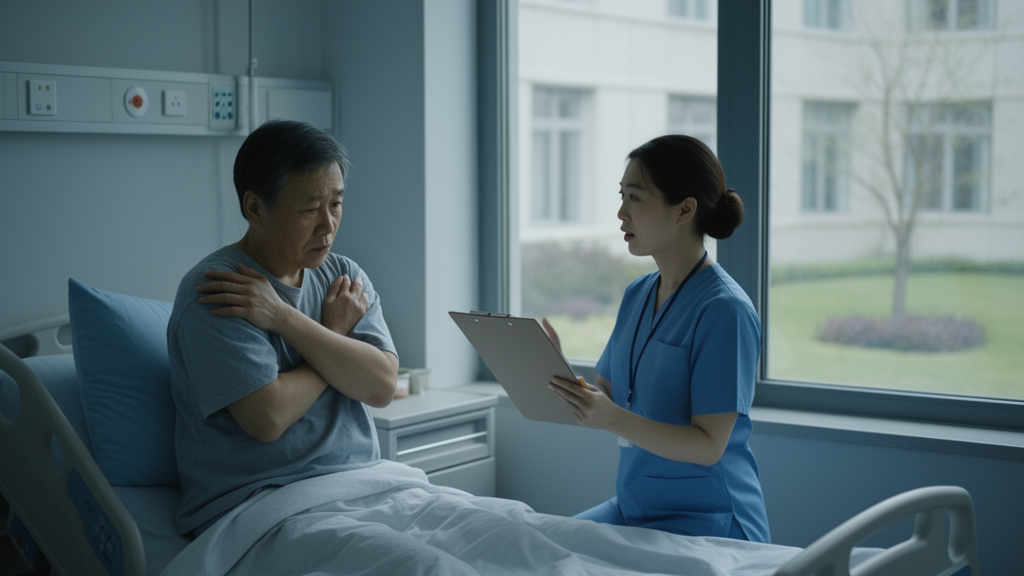
Chinese cancer inpatients underreport pain, fatigue and emotional distress

Chinese cancer inpatients underreport pain, fatigue and emotional distress

65
SHARES
587
VIEWS
Share on FacebookShare on Twitter
ADVERTISEMENT

A cross-sectional study of 1,280 hospitalized cancer patients across 16 cities in Shandong Province, China, found substantial gaps between experiencing common symptoms and reporting them to clinicians. During the current hospitalization, 88% of patients experienced fatigue, 74% experienced pain and 94% experienced emotional distress. Among patients with each respective symptom, however, only 55% reported fatigue, 63% reported pain and 40% reported emotional distress.

Researchers combined medical-record reviews with patient questionnaires to assess 12 binary outcomes related to symptoms, reporting and perceived management. Separate multivariable multilevel logistic regression models examined associations with demographic and clinical characteristics or laboratory parameters, while accounting for clustering by city. Both sets of models included cancer type. The study was observational and cross-sectional, so its findings describe associations at one point in time rather than establishing causes or changes in symptoms over time.

Reporting patterns differed among demographic groups. In the demographic and clinical models, male, unmarried and divorced patients had lower odds of reporting all three symptoms than their respective reference groups. The analysis does not identify why these differences occurred. Among patients who had discussed the relevant symptom with a clinician, male patients also had higher odds than female patients of reporting definite receipt of the help they wanted for fatigue, pain and emotional distress.

Patients’ reports of help received varied sharply by symptom. Among those who had discussed the symptom with a clinician, 97% reported definitely receiving the help they wanted for pain, compared with 47% for fatigue and 40% for emotional distress. These percentages reflect patients’ reported experiences after discussing a symptom; they are not estimates of treatment effectiveness or randomized comparisons of care. The data show that discussion of a symptom did not necessarily coincide with a patient reporting that their desired help had been received.

Laboratory parameters were associated with pain reporting in a separate set of models. Low neutrophil counts and high hemoglobin levels were associated with higher odds of reporting pain, whereas low potassium levels were associated with lower odds. These were statistical associations and do not show that laboratory values caused pain or predict successful treatment. The findings are limited to hospitalized patients treated in secondary and tertiary hospitals in one Chinese province and to a single assessment of symptom prevalence, reporting and perceived management. The authors concluded that the incomplete reporting, especially for emotional distress, highlights the need for person-centered symptom assessment and communication.

Subject of Research: Symptom reporting and perceived management among hospitalized cancer patients in Shandong Province, China

Article Title: Cancer patients’ symptom reporting gaps in fatigue, pain, and emotional distress: a cross-sectional study of symptom management in China

Article References: Lv, J., Shang, M., Wang, Q., Wang, G., & Meng, Y. (2026). Cancer patients’ symptom reporting gaps in fatigue, pain, and emotional distress: a cross-sectional study of symptom management in China. Supportive Care in Cancer, 34(11), 1144. https://doi.org/10.1007/s00520-026-11328-z

Image Credits: AI Generated

DOI: 10.1007/s00520-026-11328-z

Keywords: cancer care, symptom reporting, fatigue, pain, emotional distress, patient communication, hospital medicine, multilevel regression, Shandong Province, China, Cancer, patients

Cite Scienmag News

Nathaniel Bowman. (October 22, 2026). Chinese cancer inpatients underreport pain, fatigue and emotional distress. Scienmag. https://scienmag.com/chinese-cancer-inpatients-underreport-pain-fatigue-and-emotional-distress/

Nathaniel Bowman. "Chinese cancer inpatients underreport pain, fatigue and emotional distress." Scienmag, 22 October 2026, https://scienmag.com/chinese-cancer-inpatients-underreport-pain-fatigue-and-emotional-distress/. Accessed 22 October 2026.

Nathaniel Bowman. "Chinese cancer inpatients underreport pain, fatigue and emotional distress." Scienmag. October 22, 2026. https://scienmag.com/chinese-cancer-inpatients-underreport-pain-fatigue-and-emotional-distress/


Tags: and emotional distress in hospitalized cancer patientscancercancer careCancer symptom underreportingChinaclinical factors affecting symptom reporting in oncologycross-sectional study of cancer patient experiences in Chinademographic influences on symptom reporting in cancerdisparities in cancer symptom communicationemotional distressfatiguefatigue and symptom management in hospitalized cancer patientshospital medicinemultilevel regressionpainpain and emotional distress in Chinese cancer inpatientspatient communicationpatient-clinician communication gaps in cancer carepatientsprevalence of fatiguepsychological distress among Chinese cancer patientsShandong Provincestatistical analysis of symptom reporting in cancer researchsymptom reporting
Share26Tweet16
Previous Post

Migrasomal miRNA reduces bone loss in mouse osteoporosis model

Next Post

Behavioral Model Links Waste Bank Retention to Landfill Pressure

Related Posts

Tetrandrine boosts ferroptosis and anti-PD-1 activity in mouse NSCLC models
Cancer

Tetrandrine boosts ferroptosis and anti-PD-1 activity in mouse NSCLC models

October 22, 2026
Oben Health Wins 2026 Kraft Prize for Community Cardiovascular Care
Cancer

Oben Health Wins 2026 Kraft Prize for Community Cardiovascular Care

October 22, 2026
Mouse study links endothelial FoxO1 to female vascular resilience
Cancer

Mouse study links endothelial FoxO1 to female vascular resilience

October 22, 2026
Reduced fruquintinib dose showed no significant survival association in colorectal cancer cohort
Cancer

Reduced fruquintinib dose showed no significant survival association in colorectal cancer cohort

October 22, 2026
Survey identifies counseling and access gaps in chemotherapy-related hair loss
Cancer

Survey identifies counseling and access gaps in chemotherapy-related hair loss

October 22, 2026
Higher eGDR linked to lower gastrointestinal cancer mortality in UK cohort
Cancer

Higher eGDR linked to lower gastrointestinal cancer mortality in UK cohort

October 22, 2026
Next Post
Behavioral Model Links Waste Bank Retention to Landfill Pressure

Behavioral Model Links Waste Bank Retention to Landfill Pressure

  • Mothers who receive childcare support from maternal grandparents show more optimized

    Mothers who receive childcare support from maternal grandparents show more parental warmth, finds NTU Singapore study

    27656 shares
    Share 11059 Tweet 6912
  • University of Seville Breaks 120-Year-Old Mystery, Revises a Key Einstein Concept

    1061 shares
    Share 424 Tweet 265
  • Bee body mass, pathogens and local climate influence heat tolerance

    682 shares
    Share 273 Tweet 171
  • Researchers record first-ever images and data of a shark experiencing a boat strike

    546 shares
    Share 218 Tweet 137
  • Groundbreaking Clinical Trial Reveals Lubiprostone Enhances Kidney Function

    531 shares
    Share 212 Tweet 133
Science

Embark on a thrilling journey of discovery with Scienmag.com—your ultimate source for cutting-edge breakthroughs. Immerse yourself in a world where curiosity knows no limits and tomorrow’s possibilities become today’s reality!

RECENT NEWS

  • Behavioral Model Links Waste Bank Retention to Landfill Pressure
  • Chinese cancer inpatients underreport pain, fatigue and emotional distress
  • Migrasomal miRNA reduces bone loss in mouse osteoporosis model
  • Rare Salivary Tumors Hide Two Cancerous Components, Case Reports Show

Categories

  • Agriculture
  • Anthropology
  • Archaeology
  • Athmospheric
  • Biology
  • Biotechnology
  • Blog
  • Bussines
  • Cancer
  • Chemistry
  • Climate
  • Earth Science
  • Editorial Policy
  • Marine
  • Mathematics
  • Medicine
  • Pediatry
  • Policy
  • Psychology & Psychiatry
  • Science Education
  • Science News
  • Social Science
  • Space
  • Technology and Engineering

Subscribe to Blog via Email

Enter your email address to subscribe to this blog and receive notifications of new posts by email.

Join 5,151 other subscribers

© 2025 Scienmag - Science Magazine

Welcome Back!

Login to your account below

Forgotten Password?

Retrieve your password

Please enter your username or email address to reset your password.

Log In
No Result
View All Result
  • HOME
  • SCIENCE NEWS
  • CONTACT US

© 2025 Scienmag - Science Magazine

Discover more from Science

Subscribe now to keep reading and get access to the full archive.

Continue reading