


Biodiversity is in dire peril as human activities exert unprecedented pressures on ecosystems around the globe. A recent study conducted by the Swiss Federal Institute of Aquatic Science and Technology (Eawag) and the University of Zurich highlights the catastrophic consequences of human intervention on species diversity. This expansive research, which has been published in the esteemed journal Nature, reveals stark insights into the profound effects of various anthropogenic influences on biodiversity, illustrating that not only are species vanishing, but the interactions among remaining species are evolving in troubling ways.
The study represents an extensive synthesis of data accumulated from about 2,100 individual research projects, encompassing nearly 50,000 sites globally. These sites were meticulously compared against an equal number of reference locations that remained untouched by human activity. The research covered a mosaic of diverse habitats—ranging from terrestrial biomes to freshwater and marine ecosystems. The comprehensive approach considered an array of organisms, spanning microscopic life forms to mammals, providing a holistic view of biodiversity’s status amid human pressures. Florian Altermatt, a prominent figure in aquatic ecology and a lead researcher, emphasizes that this synthesis is the largest investigation of human impacts on biodiversity ever compiled.
Alarmingly, the research findings suggest an almost 20 percent reduction in species count at sites adversely affected by human intervention compared to their undisturbed counterparts. While the decline in numbers is concerning, the most alarming revelation lies in the shifting compositions of biological communities. Climate change is poised to displace specialized species, particularly in vulnerable ecosystems like high alpine regions, where warmer temperatures invite competition from flora that previously thrived at lower elevations. This alteration of species dynamics underscores a critical aspect of biodiversity; retaining species numbers is not enough if key organisms are lost, as their roles in ecosystem stability are irreplaceable.
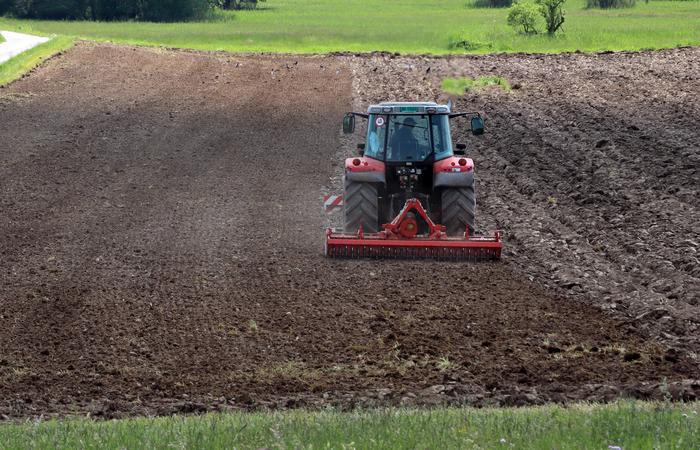
Habitat destruction and pollution emerged as the most pronounced threats during the study. Alterations to the natural environment—such as deforestation, land conversion for agriculture, and pollution events like oil spills—fundamentally transform ecosystems, often to the detriment of their inhabitants. The introduction of pollutants, whether through chemical runoff or the deliberate use of pesticides, introduces foreign elements that can decimate local biota, further diminishing biodiversity. While climate change is evoking a multitude of ecological shifts, the study indicates that its full impact remains difficult to quantify at this time, reflecting the complexity of natural systems.
Interestingly, the research also explored species community homogenization, which describes the increasing similarity of species across different sites due to dominant human activity, such as industrial farming practices. In contrast to this trend, a minority of studies suggested the emergence of greater diversity in specific settings, though researchers caution against interpreting this as a positive development. The possibility exists that rising disparities reflect temporary shifts in severely degraded environments that could ultimately pave the way for complete ecological collapse.
Throughout this analysis, the researchers stress that we should not evaluate biodiversity shifts solely by the presence or absence of species. The intricate tapestry of life involves nuanced interactions among organisms, which are paramount for maintaining ecosystem resilience. The staggering results of this investigation serve to shed light on the exigency for strategic conservation initiatives. By clearly identifying the dominant human influences wreaking havoc on biodiversity, policymakers and conservationists can better formulate effective responses to mitigate these detrimental trends.
In terms of implications for future biodiversity research, this study presents vital benchmarks for understanding the interconnectedness of human impacts. Environmental practitioners can glean insights from this comprehensive review to reformulate existing conservation strategies, focusing on the aspects of biodiversity that are most susceptible to human interference. The findings serve as a clarion call to action; reversing the trends outlined in this research will require coordinated efforts on a global scale.
The authors advocate for the establishment of explicit goals aimed at curbing biodiversity loss, underlining the roles that various stakeholders—governments, non-profits, and local communities—must play in championing the cause of ecological preservation. As the findings suggest, failure to address the ongoing decline in biodiversity has implications that resonate far beyond the loss of individual species; they threaten the intricate ecological relationships that sustain life on Earth.
In conclusion, the study orchestrated by Eawag and the University of Zurich provides compelling evidence that human activities are fundamentally reshaping the fabric of ecosystems worldwide. Species loss and community transformation are not mere statistics; they signify a critical juncture in environmental health and sustainability. The urgent need to reassess how humanity interacts with the natural world is palpable, and the continued surveillance of biodiversity will be essential in navigating this complex landscape in the years to come.
Cite Scienmag News
Margaret Porter. (March 26, 2025). Exploring the Alarming Effects of Human Activities on Global Biodiversity. Scienmag. https://scienmag.com/exploring-the-alarming-effects-of-human-activities-on-global-biodiversity/
Margaret Porter. "Exploring the Alarming Effects of Human Activities on Global Biodiversity." Scienmag, 26 March 2025, https://scienmag.com/exploring-the-alarming-effects-of-human-activities-on-global-biodiversity/. Accessed 7 September 2026.
Margaret Porter. "Exploring the Alarming Effects of Human Activities on Global Biodiversity." Scienmag. March 26, 2025. https://scienmag.com/exploring-the-alarming-effects-of-human-activities-on-global-biodiversity/


