

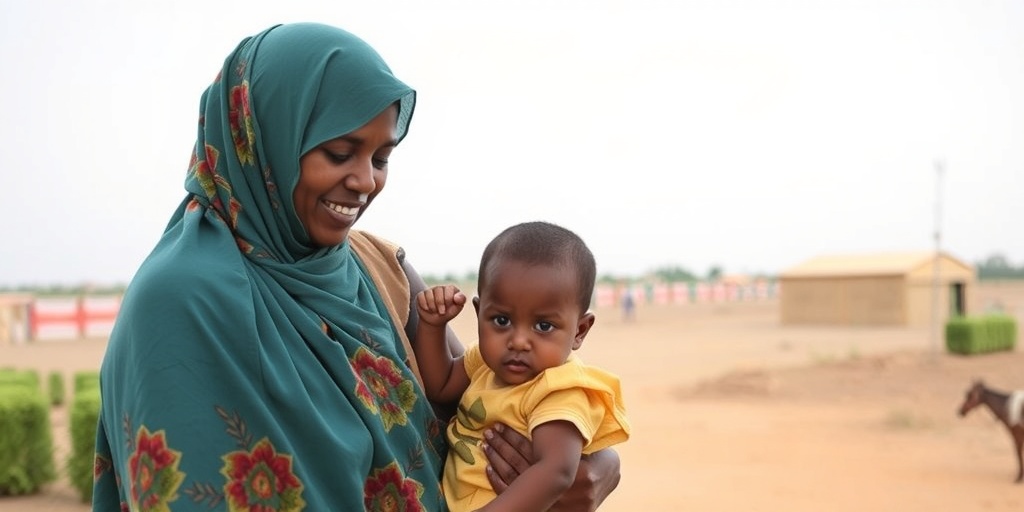
A recent study spearheaded by researchers at Stanford University sheds light on the dire consequences of reductions in official development assistance, revealing a troubling connection between aid sanctions and increased mortality rates among mothers, children, and infants. The analysis, which spans three decades and examines the impact of foreign aid sanctions, indicates that sanctions imposed on low-resource countries for durations of five years or longer can effectively erase significant advancements made in reducing maternal and infant mortality rates.
According to the findings published in The Lancet Global Health, these sanctions could negate an alarming 64% of the progress achieved against maternal mortality, 29% for infants, and 26% for children under the age of five. This comprehensive study marks a groundbreaking effort, as it is the first to evaluate the global implications of aid sanctions specifically on maternal and child health. The authors of the research emphasize the crucial need for policymakers to comprehend how foreign policy directives can adversely affect the health of vulnerable populations, urging them to implement measures that minimize unintended humanitarian repercussions.
Ruth Gibson, the lead author and a postdoctoral fellow at Stanford Health Policy, asserts the potential for foreign policy to be aligned with both national interests and the health needs of mothers and children around the globe. With a robust methodological framework, the study was able to deliver clear recommendations to governments weighing decisions concerning foreign aid sanctions. Gibson highlights the necessity for conscientious foreign policy choices that can avoid exacerbating health crises in affected nations.
The research emerged amidst intense discussions in the U.S. Congress regarding the implications of foreign aid restrictions as well as debates surrounding the shutdown of USAID. The findings amplify a critical dialogue about how the removal or restriction of foreign aid can undermine public health initiatives and stall progress made in maternal and child health sectors, especially in low-income countries where healthcare resources are already limited.
In a methodologically rigorous approach, the research team, which also included experts from Drexel University and the University of Washington, undertook a comprehensive study focusing on maternal and child mortality trends between 1990 and 2019. They assembled a novel dataset on aid sanctions, allowing them to quantify the effects of historical sanctions on healthcare outcomes. By integrating population health metrics sourced from multiple databases, the authors were able to derive substantial insights into the correlational dynamics between reduced foreign aid and increased mortality rates among the most vulnerable demographics.
Throughout the analysis, the researchers reported that the imposition of sanctions resulted in a reduction of approximately 2.4% of a country’s total healthcare expenditure, attributed to declines in development assistance for health. This financial strain contributed to escalating mortality rates, with a rise of 6.4% for mothers, 3.6% for children under five, and 3.1% for infants. Such figures underscore the alarming reality that aid sanctions have the potential to unravel decades of progress made in fighting maternal and child mortality in resource-scarce settings.
In conducting their work, the research team meticulously controlled for confounding variables, spanning economic indicators such as gross domestic product, rates of battle-related deaths, and the presence of other sanctions that could skew the results. Utilizing advanced econometric techniques to establish causal links strengthened the validity of the study’s conclusions. By comparing sanctioned countries to those untouched by sanctions, the research illuminated the stark differences in health outcomes, underscoring the pernicious effects of limiting foreign aid on public health.
Amidst their findings, the researchers provided actionable policy recommendations aimed at mitigating the adverse effects of aid sanctions on maternal and child health. They encouraged legislative bodies to undertake a careful assessment of health-related questions when contemplating significant changes to foreign aid commitments. Moreover, they proposed conducting fragility assessments for nations embroiled in conflict, addressing urgent issues such as food insecurity and displacement that have an immediate bearing on health.
The implications of this research extend beyond mere statistics—the findings call for a rethinking of how foreign aid is structured and applied. Michele Barry, Stanford’s senior associate dean of global health and a co-author of the study, articulates the sentiment that preserving the health and stability of populations in lower-income countries serves not only humanitarian goals but also aligns with the national interests of donor countries in a globalized world replete with health challenges that transcend borders.
By embracing a paradigm of responsible foreign aid, nations can enact policies that strategically advance their geopolitical objectives without compromising the well-being of vulnerable populations. This research elucidates the vital importance of aligning foreign policy with the principles of global health equity, emphasizing a moral imperative for countries to ensure that their foreign assistance initiatives do not inadvertently exacerbate health disparities.
As the conversation around foreign aid sanctions continues to evolve, the data derived from this study poses critical questions about the ethical implications of using sanctions as a geopolitical tool. It underscores the urgent need for government officials and policy-makers to reassess their approaches and prioritize human rights and health outcomes in their foreign policy frameworks.
In summary, the Stanford-led study serves as a cautionary tale about the implications of aid sanctions on maternal and child health, reinforcing the message that diplomatic strategies can and should be harmonized with public health goals. The research stands as an urgent call to action for policymakers, suggesting that a strategic reconsideration of foreign aid protocols could yield significant benefits for both global health and national security.
Cite Scienmag News
Courtney Benton. (March 20, 2025). Study Reveals Foreign Aid Sanctions Undermine Decades of Advancements in Maternal and Child Mortality Rates. Scienmag. https://scienmag.com/study-reveals-foreign-aid-sanctions-undermine-decades-of-advancements-in-maternal-and-child-mortality-rates/
Courtney Benton. "Study Reveals Foreign Aid Sanctions Undermine Decades of Advancements in Maternal and Child Mortality Rates." Scienmag, 20 March 2025, https://scienmag.com/study-reveals-foreign-aid-sanctions-undermine-decades-of-advancements-in-maternal-and-child-mortality-rates/. Accessed 22 November 2026.
Courtney Benton. "Study Reveals Foreign Aid Sanctions Undermine Decades of Advancements in Maternal and Child Mortality Rates." Scienmag. March 20, 2025. https://scienmag.com/study-reveals-foreign-aid-sanctions-undermine-decades-of-advancements-in-maternal-and-child-mortality-rates/