


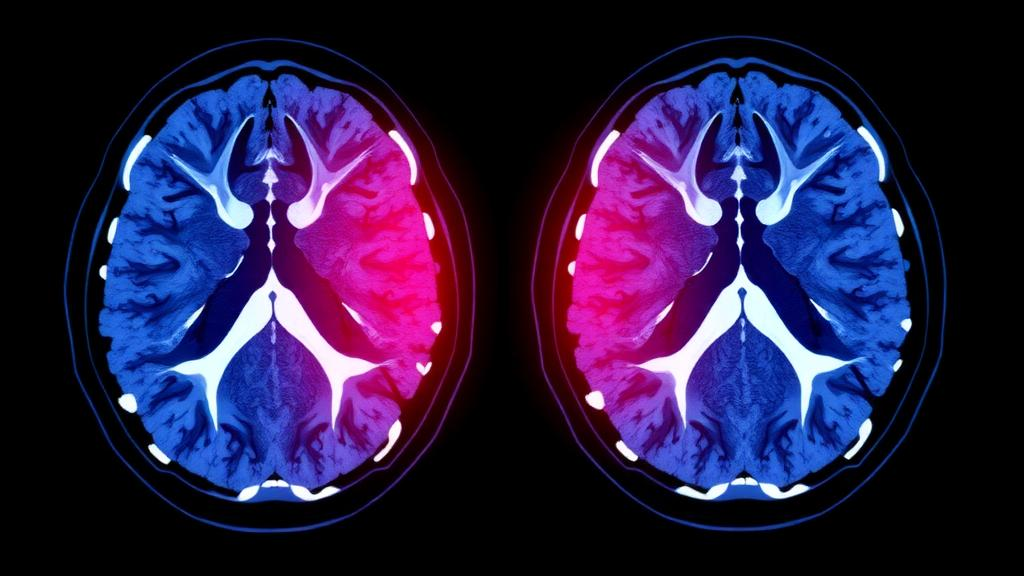
A artificial intelligence model developed at the University of Pennsylvania School of Medicine identified disease-related signals in CT scans, including traces of conditions that were not the original focus of imaging. The preclinical study found that the system, named Percival, could detect atrial fibrillation and chronic kidney disease and more reliably flag pancreatic cancer, cirrhosis and bacterial pneumonia than a comparison model called TotalSegmentator. The results are published in npj Digital Medicine.
Percival was developed with support from teams across Penn Medicine and trained using data from the Penn Medicine BioBank, which contains information from more than 350,000 people collected across the University of Pennsylvania Health System over two decades. The training resource links imaging data with laboratory values, physiological information and clinical outcomes. According to the researchers, this combination enables the model to learn broad relationships among scans and subsequent health rather than only being directed to search for one predefined condition.
For the reported work, the team used roughly 400,000 CT scans from approximately 50,000 patients to refine Percival’s abilities. The scans were drawn from the much larger Penn Medicine BioBank population. The model remains in preclinical testing, meaning its reported findings do not establish that it is ready for routine clinical use.
The researchers said they hoped to begin testing the system early the following year, with an eventual aim of evaluating its use in clinical practice. One central concept behind Percival is opportunistic screening, in which clinically useful information is found beyond the original purpose of an examination. The researchers described a scan ordered to assess pneumonia, for example, as potentially containing early traces of cancer.
Their aim is to make fuller use of information already present in CT images, including signals relevant to disorders that may not have prompted the scan or fallen within the immediate focus of its interpretation. In the model’s evaluation, Percival uncovered traces of chronic conditions including atrial fibrillation, an irregular heart rhythm, and chronic kidney disease. These were findings produced through computational analysis of existing scans rather than outcomes from a trial of clinical use.
The results indicate that broad model training can surface disease signals in CT data, but the release does not provide evidence that using these detections improves patient outcomes or changes clinical decisions. Percival was also compared with TotalSegmentator, another AI system. According to the study, Percival flagged pancreatic cancer, cirrhosis and bacterial pneumonia more reliably in the reported evaluation.
The comparison supports the developers’ claim that their model can identify several conditions from the same imaging data. It does not by itself demonstrate superiority across every diagnostic task, nor does it show that either system should replace radiologists or established diagnostic pathways. By learning connections between CT scans, laboratory values, physiological information and clinical outcomes, it is intended to support assessments of unrecognized disease, prediction of future progression and anticipation of major cardiovascular and liver complications.
Those future-risk capabilities are model outputs described by the research team; the study does not establish that the model can prevent complications or improve care. The team is examining whether larger models and models spanning multiple institutions could make Percival more robust and predictive. Its code and training-model specifications are open source, allowing other researchers to examine and build on the work.
Penn Medicine also expects experience with its AInSights imaging-AI system to inform the process of moving Percival toward clinical testing. Together, the study presents a preclinical strategy for extracting broader health information from CT scans, while further testing is needed to establish the system’s clinical role and performance beyond the reported evaluation.
Subject of Research: Preclinical evaluation of an AI model for detecting disease signals in CT scans
Article Title: AI model can uncover unseen health issues in CT scans
Article References: AI model can uncover unseen health issues in CT scans. Original publication (Bibliographic details unavailable.)
Image Credits: AI Generated
DOI: Not provided
Keywords: artificial intelligence, CT scans, Percival, opportunistic screening, disease detection, medical imaging, Penn Medicine, clinical risk prediction, radiology, digital medicine, model, uncover
Cite Scienmag News
Ophelia Keating. (October 20, 2026). Penn AI model detects hidden disease signals in CT scans. Scienmag. https://scienmag.com/penn-ai-model-detects-hidden-disease-signals-in-ct-scans/
Ophelia Keating. "Penn AI model detects hidden disease signals in CT scans." Scienmag, 20 October 2026, https://scienmag.com/penn-ai-model-detects-hidden-disease-signals-in-ct-scans/. Accessed 20 October 2026.
Ophelia Keating. "Penn AI model detects hidden disease signals in CT scans." Scienmag. October 20, 2026. https://scienmag.com/penn-ai-model-detects-hidden-disease-signals-in-ct-scans/


