


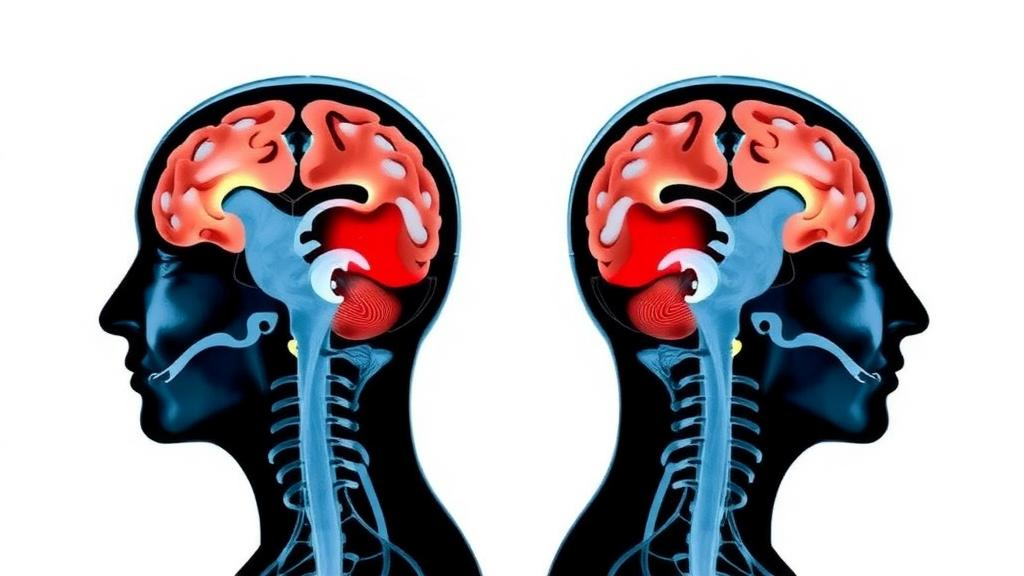
For patients whose bodies twist and jerk uncontrollably after years of taking antipsychotic medications, the prospects have long seemed bleak. Tardive syndromes, the drug-induced movement disorders that emerge from exposure to dopamine receptor blocking agents, are generally irreversible once they take hold. Now a new study offers some of the strongest long-term evidence yet that a surgical intervention can deliver lasting relief. Researchers at Emory University School of Medicine followed 18 patients with severe, treatment-refractory tardive dystonia and tardive dyskinesia who underwent deep brain stimulation of the globus pallidus internus, and found that the procedure produced robust and sustained improvement stretching across five years of follow-up.
The findings, published in the journal Dystonia on 19 October 2026, come from a retrospective review of patients treated at Emory University Hospital in Atlanta between 2008 and 2025. The cohort comprised nine men and nine women, with nine diagnosed with tardive dystonia, two with tardive dyskinesia, and seven with both conditions. The mean age at onset of tardive symptoms was 42.0 years, and patients had endured their movement disorders for an average of 9.0 years before surgery, with some suffering for as long as 28 years. Sixteen patients carried psychiatric diagnoses, and fifteen had been exposed to dopamine receptor blocking agents for psychiatric indications, while three received the causative drugs for other conditions, including promethazine in one patient and metoclopramide in two.
Tardive syndromes remain common despite the widespread adoption of second-generation antipsychotics. One of the largest meta-analyses reported an average prevalence of tardive dyskinesia of 25.3 percent among patients receiving dopamine receptor blocking agents, with first-generation antipsychotics associated with a prevalence of 30.0 percent compared with 20.7 percent for second-generation agents. The reported prevalence of tardive dystonia varies widely, ranging from 0.5 to 21.6 percent. Tardive dystonia is characterized by sustained or intermittent involuntary posturing and torsional muscle contractions, most commonly involving the craniocervical region, although the trunk and limbs may also be affected. Tardive dyskinesia, by contrast, produces stereotyped, repetitive involuntary movements, most often affecting the oro-bucco-lingual region. Both conditions can cause social distress and, in severe cases, significant physical disability.
Current pharmacological options remain limited. In 2017, two vesicular monoamine transporter 2 inhibitors were approved by the U.S. Food and Drug Administration for the treatment of tardive dyskinesia and remain the only FDA-approved agents for this indication. Nevertheless, treatment of tardive dystonia and tardive dyskinesia remains challenging because of incomplete response, medication intolerance, limited access, and cost. Other treatments such as anticholinergics for tardive dystonia, amantadine, benzodiazepines, and botulinum toxin injections are often tried with limited effect. Because tardive dystonia and tardive dyskinesia commonly co-occur, anticholinergics must be used with caution, as this medication class can worsen dyskinesia. These therapeutic challenges have fueled growing interest in surgical interventions, particularly deep brain stimulation.
Deep brain stimulation involves implanting electrodes into specific brain regions and delivering electrical pulses to modulate abnormal neural activity. For tardive syndromes, the globus pallidus internus is the most commonly targeted region, similar to idiopathic dystonia, although a few reports have also described efficacy with stimulation of the subthalamic nucleus. Currently, DBS is considered a Level C recommendation for the treatment of tardive dystonia and tardive dyskinesia. Available studies are largely small retrospective case series reporting improvements in disease-specific rating scales ranging from 30 to 100 percent, with most studies reporting improvements greater than 60 percent. The only randomized, sham-controlled DBS trial in tardive dystonia and dyskinesia demonstrated a reduction in hyperkinetic movements but did not reach statistical significance, possibly because of limited statistical power and the relatively short follow-up duration of three to six months.
In the new study, seventeen patients underwent bilateral GPi DBS surgery and one patient received unilateral right-sided stimulation. Quadripolar DBS electrodes were implanted using microelectrode recordings or intraoperative MRI guidance, and the implanted systems included commercially available devices from Medtronic, Boston Scientific, and Abbott. Postoperative programming was initiated approximately four weeks after surgery, with stimulation settings adjusted over subsequent sessions as part of routine clinical care. Each patient underwent pre-operative psychiatric clearance prior to surgery. Clinical outcomes were assessed preoperatively and at approximately one-year, three-year, and five-year follow-up visits using the Burke-Fahn-Marsden Dystonia Rating Scale for patients with tardive dystonia, the Toronto Western Spasmodic Torticollis Rating Scale for those with prominent cervical dystonia, and the Abnormal Involuntary Movement Scale for patients with tardive dyskinesia.
The results were striking. The mean preoperative BFMDRS motor score was 27.5, and it dropped to 9.1 at short-term follow-up, 5.0 at mid-term follow-up, and 4.1 at long-term follow-up, with all reductions reaching statistical significance at Bonferroni-adjusted p values below 0.001. The corresponding mean percentage improvements were 64.1 percent, 83.8 percent, and 88.0 percent, respectively. Three patients achieved complete resolution of motor symptoms, corresponding to 100 percent improvement, and this response was maintained through their last follow-up visits. Axial dystonia, including neck and trunk involvement, improved significantly at all follow-up time points, with the mean axial subscore falling from 12.3 preoperatively to 1.6 at long-term follow-up. Extremity dystonia also improved significantly at mid-term and long-term follow-up, with the mean extremity subscore decreasing from 9.1 to 0.3. Speech, swallowing, and orofacial dystonia subscores showed numerical improvement without reaching statistical significance, a pattern the authors attribute to limited statistical power rather than absence of clinical benefit.
Among the subset of patients with available TWSTRS scores, the mean score decreased from 50.3 preoperatively to 21.7 at long-term follow-up, with the most apparent improvements observed in the severity and disability subscores. Among the nine patients with tardive dyskinesia, four had available AIMS scores, which decreased from 15.8 preoperatively to 5.0 at mid-term follow-up, with the most apparent improvement seen in the orofacial and global judgement subscores. The authors note that the small number of patients with available preoperative and postoperative AIMS data limits interpretation and precludes definitive conclusions regarding DBS effectiveness for tardive dyskinesia in this cohort, although the observed downward trend is consistent with prior studies reporting improvement in tardive dyskinesia after GPi DBS.
The researchers also mapped the locations of the active electrode contacts at the last follow-up visits, finding coordinates of 20.6 mm lateral, 2.5 mm anterior, and 1.1 mm inferior relative to the mid-commissural point. These locations were consistent with the GPi target region used for dystonia and aligned with previously reported GPi stimulation sites in tardive syndromes. The mean stimulation parameters at the same timepoint were 3.8 mA amplitude, 95.1 μs pulse width, and 119.4 Hz frequency, generally consistent with commonly used GPi DBS settings for dystonia. Over time, stimulation parameters were adjusted as clinically indicated, whereas electrode configuration remained unchanged from short-term to last follow-up in all but one patient. The mean changes in amplitude, pulse width, and frequency between time intervals were modest, and no persistent stimulation-related adverse effects were reported.
Safety findings were encouraging. One patient developed skin erosion and infection at the burr hole site, which resolved without DBS lead explantation. Otherwise, no persistent stimulation-related adverse effects were reported, and no patient had exacerbations of underlying psychiatric disorders based on chart review. This low complication rate supports the overall safety of GPi DBS in appropriately selected patients with medically refractory tardive syndromes. The authors suggest that given the robust and sustained improvement and low surgical complication rate observed in this cohort, earlier consideration of DBS may be reasonable in selected patients with severe, disabling, and treatment-refractory tardive syndromes. The mean duration of tardive symptoms before surgery was nine years, with a range of three to twenty-eight years, and the authors argue that earlier surgical intervention may facilitate timely symptomatic relief and durable long-term benefit.
The study has limitations. The retrospective design limited the uniformity of clinical assessments, and outcome assessments were not blinded, which may have introduced observer bias. Follow-up data were incomplete, particularly at later time points, which may have affected estimates of long-term treatment effect. Different rating scales were used depending on clinical phenotype, and not all patients had all outcome measures available. The small number of patients with available TWSTRS and AIMS data limited statistical power for subgroup analyses. Despite these constraints, the study adds to the growing evidence supporting GPi DBS as a safe and effective treatment for medically refractory tardive dystonia with sustained long-term benefit, and suggests potential benefit for tardive dyskinesia. Larger, multicenter prospective studies with standardized outcome measures and long-term follow-up are needed to further define the efficacy, durability, and optimal stimulation parameters of DBS for tardive syndromes.
The pattern of continued improvement from short-term to long-term follow-up may reflect the delayed and cumulative therapeutic response to GPi stimulation previously described in dystonia. This temporal profile suggests that clinically meaningful improvement can be sustained for several years after implantation, and that the greatest gains may accrue gradually as the nervous system adapts to the modulation of pallidal output. For patients who have exhausted medication options and endured years of involuntary movements, the findings offer a compelling case that pallidal deep brain stimulation can provide durable, life-changing relief from one of the most challenging complications of psychiatric drug therapy.
Subject of Research: The long-term efficacy of globus pallidus deep brain stimulation in tardive dystonia and dyskinesia
Article Title: The long-term efficacy of globus pallidus deep brain stimulation in tardive dystonia and dyskinesia
Article References: Je, G., Miocinovic, S., Huang, V., Aia, P. G., Tripathi, R., Buetefisch, C. M., Esper, C. D., Higginbotham, L. A., Triche, S., Factor, S. A., & Radmard, S. (2026). The long-term efficacy of globus pallidus deep brain stimulation in tardive dystonia and dyskinesia. Dystonia, 5, Article 17246. https://doi.org/10.3389/dyst.2026.17246
Image Credits: AI Generated
Keywords: deep brain stimulation, tardive dystonia, tardive dyskinesia, globus pallidus internus, GPi DBS, movement disorders, dystonia, antipsychotics, neurology, neurosurgery, long-term, efficacy
Cite Scienmag News
Cassandra Pierce. (October 19, 2026). Deep Brain Stimulation Delivers Durable Relief From Drug-Induced Tardive Dystonia. Scienmag. https://scienmag.com/deep-brain-stimulation-delivers-durable-relief-from-drug-induced-tardive-dystonia/
Cassandra Pierce. "Deep Brain Stimulation Delivers Durable Relief From Drug-Induced Tardive Dystonia." Scienmag, 19 October 2026, https://scienmag.com/deep-brain-stimulation-delivers-durable-relief-from-drug-induced-tardive-dystonia/. Accessed 19 October 2026.
Cassandra Pierce. "Deep Brain Stimulation Delivers Durable Relief From Drug-Induced Tardive Dystonia." Scienmag. October 19, 2026. https://scienmag.com/deep-brain-stimulation-delivers-durable-relief-from-drug-induced-tardive-dystonia/


