


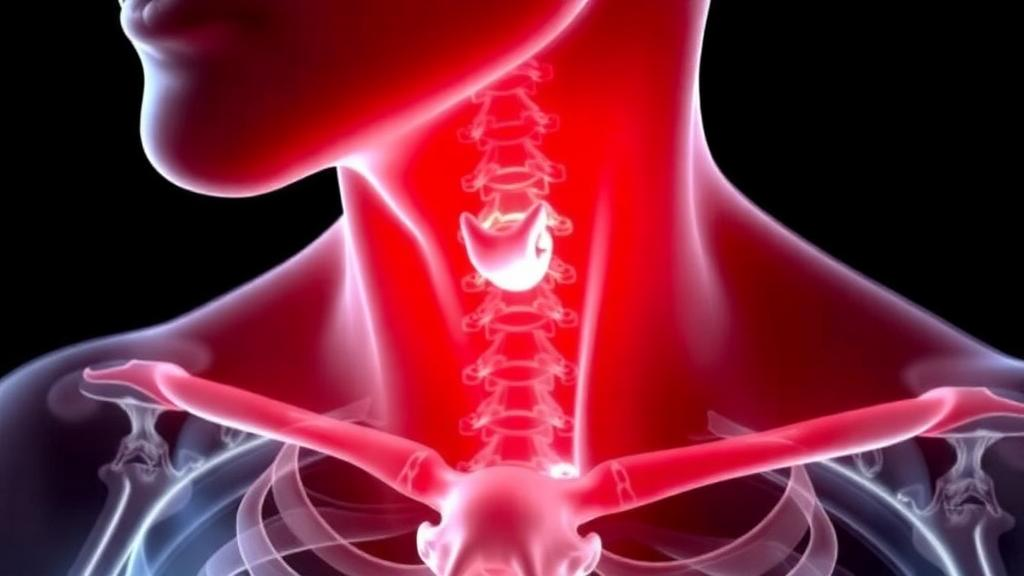
Graves’ disease has long been known as the most common cause of an overactive thyroid, a condition in which the immune system mistakenly stimulates the gland into producing excessive amounts of hormone. What has remained far less certain is whether this autoimmune storm also raises the risk of thyroid cancer. A new retrospective cohort study, published in BMC Endocrine Disorders, adds fresh and striking evidence to that debate: among 134 adults with Graves’ disease who underwent total thyroidectomy between 2015 and 2022, differentiated thyroid carcinoma was identified in 47 patients, corresponding to a prevalence of 35.1 percent. In other words, more than one in three surgically treated patients in this cohort turned out to be harboring a malignancy that, in many cases, had not been suspected before the operation.
The figure is likely to draw attention because it sits at the high end of the range reported in the literature on thyroid cancer in Graves’ disease, where estimates have varied widely depending on the population studied, the screening intensity applied before surgery, and the pathological methods used to examine removed glands. The authors of the new study are careful to note that their cohort consisted exclusively of patients selected for surgery, a group that is not representative of everyone living with Graves’ disease. Surgical selection bias of this kind can inflate apparent cancer prevalence, because patients chosen for thyroidectomy often have larger glands, compressive symptoms, suspicious nodules, or poorly controlled disease. Even with that caveat, the sheer proportion of tumors uncovered in the specimen analysis underscores how frequently cancer can coexist with an autoimmune, hyperfunctioning thyroid.
Histologically, the picture was dominated by one subtype. Classic papillary thyroid carcinoma accounted for 80.9 percent of the malignancies detected, making it by far the most common cancer type in the cohort. Papillary carcinoma is the predominant form of thyroid cancer worldwide, and its strong representation among patients with Graves’ disease is consistent with the broader epidemiology of the disease. The study’s authors describe the tumors found as predominantly low-grade, meaning that even though cancer was common in this surgical series, the lesions were largely of the indolent variety that typically carries an excellent prognosis when detected and treated. This distinction matters enormously for clinical interpretation: a high prevalence of low-grade papillary carcinoma in surgically removed glands does not translate directly into a high rate of life-threatening cancer in the general Graves’ population.
One of the most provocative findings concerns the tumors that no one saw coming. Seven patients in the study had incidental tumors despite no preoperative nodule detection, meaning that imaging and clinical examination before surgery had failed to reveal any focal lesion, yet pathology of the removed gland revealed carcinoma nonetheless. Incidental thyroid cancers of this kind are a well-recognized phenomenon in endocrine surgery, and their frequency in this cohort highlights a persistent diagnostic blind spot. Nodules embedded within a diffusely hyperactive, often enlarged Graves’ gland can be difficult to distinguish on ultrasound, and the autoimmune background of the gland can obscure the architectural clues that normally raise suspicion. For clinicians, the message is that a clean preoperative ultrasound in a patient with Graves’ disease does not entirely exclude the presence of malignancy.
To move beyond simple prevalence counting, the research team systematically evaluated clinical, biochemical, ultrasonographic, and pathological variables, then applied both univariable and multivariable logistic regression analyses to identify which factors independently predicted the presence of thyroid carcinoma. In the univariable analysis, two variables emerged as significantly associated with malignancy. The first was older age, with an odds ratio of 1.05 per year of age (95 percent confidence interval 1.02 to 1.09, p less than 0.001), indicating a modest but highly consistent increase in cancer odds with each additional year of life. The second was a family history of thyroid cancer, which carried an odds ratio of 5.53 (95 percent confidence interval 1.39 to 21.98, p equal to 0.015), a more than fivefold elevation in risk that stands out as the single strongest predictor identified in the study.
When the investigators refined the analysis with multivariable modeling, which adjusts for the influence of overlapping variables, both findings held firm. Age remained an independent predictor with an odds ratio of 1.06 (p less than 0.001), and family history retained its strong association with an odds ratio of 5.75 (p equal to 0.019). The stability of these two factors across both analytical approaches lends them credibility as genuine signals rather than statistical artifacts. Just as informative is the list of variables that failed to predict cancer. Sex, body mass index, smoking status, levels of thyroid-stimulating hormone receptor antibodies (TRAb), thyroid function tests, thyroid volume, and disease duration all showed no significant association with malignancy risk in this cohort.
That negative result is scientifically meaningful. TRAb, the autoantibody that drives the hyperthyroidism of Graves’ disease by stimulating the thyroid-stimulating hormone receptor, is the biochemical hallmark of the condition, and some researchers have hypothesized that the same chronic stimulation might promote tumor development. The new data suggest otherwise, at least within the limits of this study: the intensity of autoimmune activity, as reflected by antibody levels and thyroid hormone measurements, did not distinguish patients with cancer from those without. Instead, the traditional clinical risk factors recognized across thyroid cancer epidemiology, namely advancing age and a familial predisposition, proved more strongly associated with malignancy than any measure of Graves’ disease activity itself. The authors interpret this as evidence that conventional risk stratification tools may remain applicable to patients with Graves’ disease, even as the autoimmune context complicates the diagnostic landscape.
The practical implications for patient care are nuanced. On one hand, the identification of older age and family history as independent predictors offers clinicians a simple, low-cost way to heighten vigilance: a patient with Graves’ disease who is older or who reports thyroid cancer in close relatives may warrant particularly careful ultrasound surveillance and a lower threshold for further evaluation of nodules. On the other hand, the study’s design imposes important limits on how far its conclusions can be generalized. The authors themselves caution that the retrospective design, the potential for surgical selection bias, and the relatively small sample size of 134 patients all argue for cautious interpretation. A prevalence of 35.1 percent among surgical patients cannot be extrapolated to the millions of people with Graves’ disease who are managed medically and never undergo thyroidectomy.
Retrospective cohort studies of this kind occupy an important middle ground in clinical research. They cannot establish causation, and they inherit the biases of the clinical decisions that shaped the original cohort, but they can generate hypotheses and quantify associations in real-world populations that would be difficult or unethical to assemble prospectively. In this case, the dataset provides one of the more detailed recent portraits of how cancer and Graves’ disease intersect within a single surgical practice, combining biochemical profiles, imaging findings, and full pathological examination of excised glands. The systematic evaluation of variables ranging from smoking status to antibody titers gives the analysis a breadth that simpler case series often lack, and the use of multivariable regression helps separate independent signals from confounded ones.
For the broader endocrine community, the study reopens a question that has simmered for decades: does the hyperdynamic, antibody-stimulated environment of Graves’ disease create fertile ground for malignant transformation, or is the apparent excess of cancer simply a reflection of intensified surveillance and surgery? The new findings lean toward the latter interpretation, since biochemical markers of disease activity showed no relationship with cancer risk while classical demographic and familial factors did. At the same time, the substantial burden of incidental tumors found at pathology serves as a reminder that the gland removed from a Graves’ patient deserves meticulous examination, regardless of what preoperative imaging suggested. As the authors emphasize, larger prospective studies will be needed to confirm these associations and to determine whether age and family history can be incorporated into formal surveillance guidelines for the growing population of patients living with Graves’ disease.
Subject of Research: Prevalence and clinical predictors of differentiated thyroid carcinoma in patients with Graves' disease undergoing thyroidectomy
Article Title: Thyroid carcinoma in Graves’ disease: a retrospective analysis of prevalence, histological subtypes, and clinical predictors
Article References: Thyroid carcinoma in Graves’ disease: a retrospective analysis of prevalence, histological subtypes, and clinical predictors. (n.d.). https://doi.org/10.1186/s12902-026-02413-9
Image Credits: AI Generated
DOI: 10.1186/s12902-026-02413-9
Keywords: Graves' disease, thyroid carcinoma, papillary thyroid carcinoma, thyroidectomy, thyroid nodules, TRAb, hyperthyroidism, retrospective cohort study, endocrine cancer, family history, incidental tumors, logistic regression
Cite Scienmag News
Nathaniel Bowman. (October 7, 2026). Hidden Cancers in Overactive Thyroids: Study Finds One in Three Graves’ Patients Harbored Tumors. Scienmag. https://scienmag.com/hidden-cancers-in-overactive-thyroids-study-finds-one-in-three-graves-patients-harbored-tumors/
Nathaniel Bowman. "Hidden Cancers in Overactive Thyroids: Study Finds One in Three Graves’ Patients Harbored Tumors." Scienmag, 7 October 2026, https://scienmag.com/hidden-cancers-in-overactive-thyroids-study-finds-one-in-three-graves-patients-harbored-tumors/. Accessed 7 October 2026.
Nathaniel Bowman. "Hidden Cancers in Overactive Thyroids: Study Finds One in Three Graves’ Patients Harbored Tumors." Scienmag. October 7, 2026. https://scienmag.com/hidden-cancers-in-overactive-thyroids-study-finds-one-in-three-graves-patients-harbored-tumors/


