


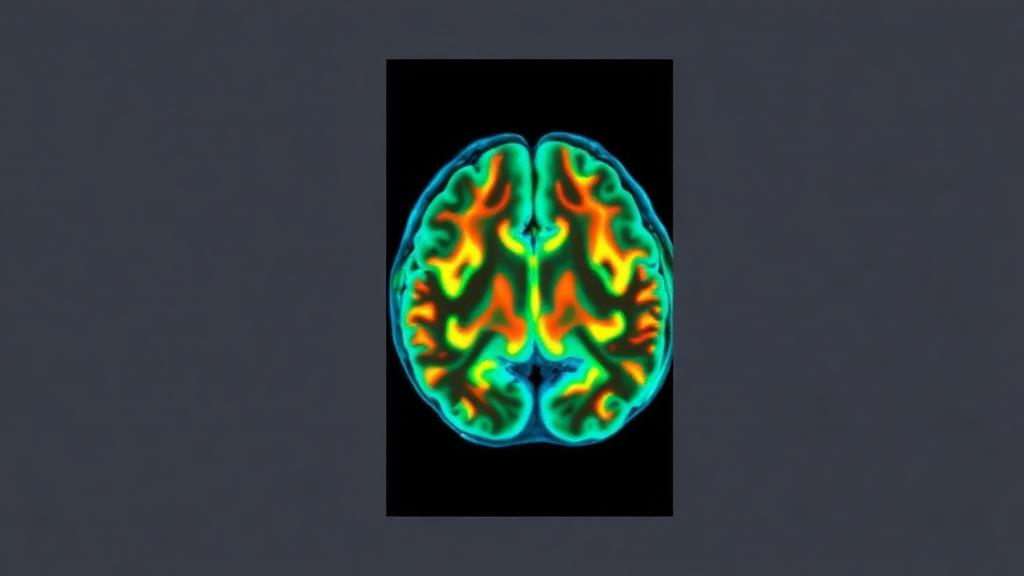
For patients diagnosed with diffuse lower-grade glioma, a slow-growing but infiltrative form of brain cancer, the first sign of disease is often not a headache or a neurological deficit but an epileptic seizure. These tumor-related seizures can dramatically shape a patient’s daily life, and understanding why some of these tumors ignite electrical storms in the brain while others remain clinically silent has long puzzled neuro-oncologists. Now, a retrospective study from University Hospital Münster in Germany has uncovered a striking link between a routine metabolic brain scan and the presence of seizures at the moment of diagnosis, suggesting that the very imaging technique used to map tumor biology may also reveal which tumors are wired for epileptogenic activity.
The research, published in the Journal of Neuro-Oncology, focused on patients with IDH-mutant diffuse lower-grade glioma, encompassing World Health Organization grade 2 and grade 3 tumors. These malignancies are defined by a mutation in the isocitrate dehydrogenase gene, a molecular hallmark that shapes their behavior and prognosis. Epileptic seizures are the initial clinical manifestation in up to 75 percent of these cases, and the burden they impose is considerable: long-term seizure activity and the chronic use of antiseizure medication are both associated with cognitive impairment and diminished quality of life. Identifying, before surgery, which patients carry the highest epileptic risk could therefore inform counseling, monitoring, and treatment planning.
The Münster team, led by neurosurgeon Zeynep Özdemir together with colleagues from nuclear medicine and neurology, turned to a diagnostic tool already embedded in standard glioma care: positron emission tomography with the radiolabeled amino acid O-(2-[18F]fluoroethyl)-L-tyrosine, commonly abbreviated [18F]FET. Unlike conventional MRI, which primarily depicts structural changes and depends partly on disruption of the blood-brain barrier, amino acid PET exploits a metabolic vulnerability of glioma cells. The tracer is selectively imported into tumor tissue through L-type amino acid transporter 1, or LAT1, a protein that is markedly upregulated on the surface of glioma cells. The intensity of tracer accumulation, expressed as a tumor-to-brain ratio, therefore serves as a proxy for amino acid transport activity and, indirectly, for the metabolic ferocity of the tumor.
To investigate whether this metabolic signal differs between patients with and without glioma-related epilepsy, the researchers combed their single-center brain tumor database for patients who had undergone preoperative [18F]FET PET between 2015 and 2025 and whose tumors were subsequently confirmed neuropathologically as primary grade 2 or 3 IDH-mutant gliomas. From an initial pool of 200 suspected cases, exclusions for infratentorial tumor locations, missing PET imaging, and scans performed too long before surgery left a final cohort of 121 patients. Seizure status was assessed strictly for events occurring before surgery, drawing on initial neurological assessments and referral documentation. All patients were seizure-free at the time of scanning, having been started on antiseizure medication where appropriate.
The analysis applied the standardized PET RANO 1.0 criteria to classify disease as measurable. Lesions with a maximum tumor-to-brain ratio exceeding 1.6 and a PET-positive volume of at least half a milliliter were deemed measurable disease, while the remainder formed a no-uptake group. The results were unambiguous. Seventy-eight patients, or 64 percent of the cohort, showed measurable tracer uptake, and within this group 73 percent had presented with epileptic seizures. By contrast, only 40 percent of patients in the no-uptake group had experienced seizures before their diagnosis. The difference was highly significant, corresponding to an odds ratio of 4.15, meaning that measurable amino acid uptake more than quadrupled the odds of seizure presentation.
Quantitative tracer intensity told the same story. Among patients with measurable disease, those with seizures exhibited a median maximum tumor-to-brain ratio of 3.02, compared with 2.4 in those without seizures, and a median mean tumor-to-brain ratio of 2.2 versus 1.9. Both differences reached statistical significance. Notably, the biological tumor volume, a composite measure of PET-positive burden, did not differ significantly between the groups, hinting that the intensity of metabolic activity rather than sheer tumor size is what tracks with epileptogenicity. Crucially, the association survived multivariable logistic regression adjusted for contrast enhancement, tumor side, tumor type, tumor location, and MRI-derived tumor volume, yielding an adjusted odds ratio of 2.86 with a confidence interval excluding unity.
The investigators took care to rule out the most obvious confounder: tumor location. Frontal, temporal, and insular tumors are known to carry a higher seizure risk because these regions host highly excitatory cortical circuits, and indeed 86 percent of the cohort’s tumors occupied these lobes. Yet when the researchers compared seizure prevalence between frontal, temporal, and insular tumors on one hand and parieto-occipital tumors on the other, they found no significant difference, with rates of 64 and 65 percent respectively. Location, in other words, could not explain the link between tracer uptake and epilepsy. Similarly, seizure prevalence did not differ significantly between oligodendrogliomas and astrocytomas within the measurable disease group.
Another potential pitfall deserved scrutiny: transient surges of amino acid uptake have been documented during active seizures and even status epilepticus, raising the possibility that a recent seizure might artificially inflate the PET signal. The median interval between a patient’s first seizure and PET acquisition was just 13 days. However, no correlation emerged between the seizure-to-scan interval and either uptake measure, and a sensitivity analysis using a 14-day cutoff found no difference in tracer ratios between patients scanned sooner versus later after seizure onset. Moreover, all PET-positive volumes were confined within the FLAIR-positive tumor volume on MRI, without the cortical ribbon-like extension into perilesional brain that characterizes pronounced peri-ictal uptake. The measured signal, the authors conclude, predominantly reflects tumor-associated metabolic activity rather than seizure-related transport in surrounding cortex.
Why would a metabolically hotter tumor be more epileptogenic? The study’s mechanistic discussion points to an elegant convergence of transport biology and excitatory signaling. LAT1, the transporter responsible for [18F]FET uptake, operates as an antiporter that imports leucine in exchange for glutamine. It is functionally intertwined with xCT, the cystine-glutamate transporter that floods the extracellular space with glutamate, the brain’s principal excitatory neurotransmitter. Elevated glutamate released by glioma cells drives neuronal hyperexcitability through NMDA and AMPA receptors while simultaneously fueling tumor proliferation, a dual role that makes glutamate dysregulation a shared engine of both tumorigenesis and epileptogenesis. In IDH-mutant gliomas, the oncometabolite D-2-hydroxyglutarate further activates the mTOR signaling pathway, another recognized mechanism in tumor-related epilepsy, and mTOR activation itself depends on essential amino acids such as leucine delivered by LAT1. A tumor with heightened LAT1 activity may therefore be simultaneously hungrier for the tracer and more adept at sustaining the glutamatergic and mTOR-driven processes that kindle seizures.
The findings resonate with earlier observations in other epileptogenic low-grade lesions, including glioneuronal tumors and dysembryoplastic neuroepithelial tumors, where increased amino acid uptake has also been documented, suggesting that heightened tracer accumulation may be a broader signature of metabolically active, seizure-generating tumors rather than a quirk of IDH-mutant glioma. The authors are careful to frame their work as exploratory: the retrospective design cannot establish causality or determine the direction of the relationship, dynamic PET parameters were unavailable for most patients, and the influence of antiseizure medication on [18F]FET uptake remains unknown. Even so, the implication is tantalizing. A scan already performed as part of routine preoperative work-up may flag patients at elevated risk of glioma-related epilepsy, and future translational studies probing amino acid transporter expression and glutamatergic pathways could transform this imaging correlation into a genuine window on the biology of tumor epilepsy.
Subject of Research: Association between [18F]FET PET uptake and glioma-related epilepsy in IDH-mutant diffuse lower-grade glioma
Article Title: [18F]FET uptake in diffuse lower-grade IDH-mutant glioma correlates with glioma-related epilepsy
Article References: Özdemir, Z., Roll, W., Stummer, W., Kovac, S., & Müther, M. (2026). [18F]FET uptake in diffuse lower-grade IDH-mutant glioma correlates with glioma-related epilepsy. Journal of Neuro-Oncology, 180(1), Article 1. https://doi.org/10.1007/s11060-026-05815-w
Image Credits: AI Generated
DOI: 10.1007/s11060-026-05815-w
Keywords: glioma, IDH-mutant glioma, diffuse lower-grade glioma, FET PET, glioma-related epilepsy, seizures, amino acid PET, LAT1 transporter, glutamate signaling, mTOR pathway, tumor-to-brain ratio, neuro-oncology
Cite Scienmag News
Nathaniel Bowman. (October 1, 2026). Brain Scan Tracer Uptake Reveals Which Slow-Growing Gliomas Are Most Likely to Cause Seizures. Scienmag. https://scienmag.com/brain-scan-tracer-uptake-reveals-which-slow-growing-gliomas-are-most-likely-to-cause-seizures/
Nathaniel Bowman. "Brain Scan Tracer Uptake Reveals Which Slow-Growing Gliomas Are Most Likely to Cause Seizures." Scienmag, 1 October 2026, https://scienmag.com/brain-scan-tracer-uptake-reveals-which-slow-growing-gliomas-are-most-likely-to-cause-seizures/. Accessed 1 October 2026.
Nathaniel Bowman. "Brain Scan Tracer Uptake Reveals Which Slow-Growing Gliomas Are Most Likely to Cause Seizures." Scienmag. October 1, 2026. https://scienmag.com/brain-scan-tracer-uptake-reveals-which-slow-growing-gliomas-are-most-likely-to-cause-seizures/


