


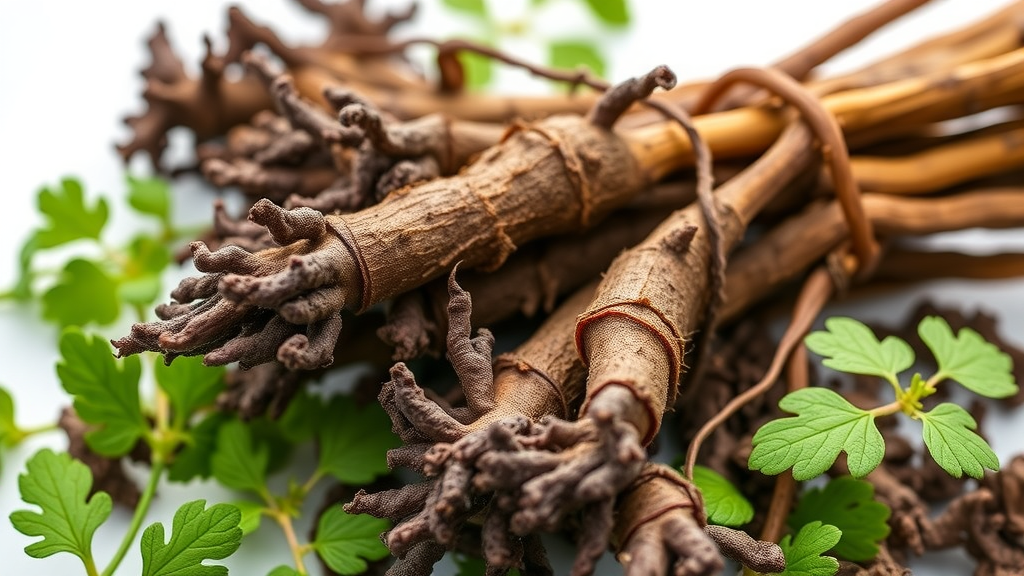
Licorice has been used as a medicine for thousands of years, appearing in ancient Egyptian remedies, traditional Chinese pharmacopoeias, and modern anti-inflammatory formulations alike. Yet the plant behind this sweet, healing root—Glycyrrhiza glabra and its relatives—has long kept the genetic secrets of its pharmacy hidden. A new genomics study has now cracked open that vault, mapping the genetic architecture of multiple licorice species and pinpointing the exact DNA positions linked to some of the plant’s most valuable medicinal compounds. The work offers a template for breeding licorice varieties with enhanced therapeutic power, at a time when global demand for naturally derived pharmaceuticals is surging.
The research, carried out by an international team working across institutes in Iran and Germany, including the Leibniz Institute of Plant Genetics and Crop Plant Research (IPK) in Gatersleben and Shiraz University, took on one of the most persistent challenges in medicinal plant science: connecting visible chemical traits to the underlying genetic code. The team genotyped 175 accessions and populations spanning the genus Glycyrrhiza using genotyping-by-sequencing, a technique that slashes the cost of genome-wide profiling by sequencing only the most informative slices of DNA. From this effort they assembled a catalogue of 38,393 high-quality single-nucleotide polymorphisms, or SNPs—individual letter changes scattered across the genome that serve as signposts for comparative genetics.
The first major finding concerns how licorice species relate to one another. Genetic structure analysis showed that G. glabra, the species that produces the celebrated medicinal root, is mostly distinct from its relatives in the genus. This genetic separation matters for conservationists and breeders alike, because it indicates that G. glabra carries a unique reservoir of variation that cannot simply be recovered from closely related species. Within G. glabra itself, the analysis identified a coherent group of 66 plants drawn from 33 Iranian origins, showing moderate genetic differentiation from other accessions. Iran, with its long tradition of licorice harvesting and its position at the heart of the plant’s natural range, appears to shelter a genetically recognizable and potentially valuable portion of the species’ diversity.
With the population structure established, the researchers turned to the central question: which genomic regions control the accumulation of the plant’s bioactive metabolites? They focused on three medically important traits and deployed genome-wide association mapping, a statistical approach that scans thousands of SNPs for correlations with measured phenotypes across many individuals. The results were striking. Twenty highly significant SNP associations emerged in total. Fifteen of them were linked to glabridin in the cork layer of the root, and three of those were also associated with glabridin in the fleshy texture of the root. Five additional SNPs were associated with liquiritigenin in the cork layer.
Those two compounds deserve attention on their own terms. Glabridin is the signature flavonoid of licorice, prized for anti-inflammatory, skin-brightening, antioxidant, and antimicrobial properties, and it is a staple ingredient in cosmetic and pharmaceutical pipelines worldwide. Liquiritigenin is another flavonoid with documented pharmacological activity and a key position in the flavonoid biosynthetic pathway of the plant. Intriguingly, both molecules are described as players in biotic and abiotic stress responses, meaning the plant likely deploys them as chemical shields against pathogens and harsh environmental conditions. The new genetic associations suggest that the very loci breeders might select for higher medicinal content are also tied to how robustly the plant defends itself—a potentially powerful linkage for developing resilient, potent cultivars simultaneously.
Because association mapping identifies genomic neighborhoods rather than single causal genes, the team followed up by searching for candidate genes near the significant SNPs. The list they assembled reads like a who’s who of plant secondary metabolism regulation. Among them stands MYB6, a transcription factor known to activate flavonoid-biosynthetic genes, making it an obvious lever for engineering or selecting plants that produce more glabridin. Another candidate, an OCTOPUS-like gene, plays a role in the differentiation of primary root protophloem and overall root architecture—a fascinating connection, since the metabolites of interest accumulate in specific root tissues, and the internal anatomy of the root may determine where and how much compound is stored.
The candidate list also includes WRKY transcription factors, a large family of regulators that modulate phenylpropanoid, alkaloid, and terpene pathways. WRKY genes are central switches in plant defense signaling, and their presence near the associated loci reinforces the idea that licorice’s medicinal chemistry is deeply entangled with its stress biology. A fourth candidate, aminodeoxychorismate synthase, adds a further layer of metabolic intrigue, hinting that primary metabolism feeds into the specialized chemistry of the root in ways that association mapping can now expose. Together, these genes sketch a plausible molecular chain running from environmental sensing through transcriptional control to the final accumulation of flavonoids in root tissues.
Methodologically, the study demonstrates how modern genomic tools can transform a traditionally understudied medicinal crop. Genotyping-by-sequencing allowed the team to characterize genetic structure and run association mapping in a genus for which genomic resources have been scarce, without requiring a fully assembled reference genome. The combination of population structure analysis, principal component approaches, and mixed linear models for association testing reflects the current best practice for avoiding false positives caused by population stratification—a notorious pitfall when working with geographically structured plant collections such as this one.
The practical implications reach well beyond the laboratory. Wild and landrace licorice populations face pressure from overharvesting and habitat loss, and cultivated varieties often lag behind wild roots in medicinal compound content. By identifying SNP markers linked to glabridin and liquiritigenin accumulation, the study gives breeders molecular tools to screen seedlings for high-value chemistry long before the roots mature—a process that would otherwise take years of cultivation and costly chemical assays. Marker-assisted selection built on these loci could accelerate the development of improved Glycyrrhiza varieties with enhanced medicinal properties, while the genetic structure data can guide the conservation of the species’ most distinctive populations, including the Iranian group highlighted by the analysis.
For a genus that has served human medicine since antiquity, licorice has been surprisingly slow to enter the genomic era. This study changes that, delivering both a comprehensive picture of genetic diversity across Glycyrrhiza species and a concrete set of molecular handles on the chemistry that makes the root valuable. As demand for plant-derived therapeutics grows and climate change tightens the screws on medicinal crop production, the ability to read—and eventually write—the genetic instructions behind licorice’s chemical defenses may prove to be one of the more consequential developments in medicinal plant genomics of the coming decade.
Subject of Research: Genetic structure and SNP associations with secondary metabolites in Glycyrrhiza species and G. glabra
Article Title: Genetic structure analysis of Glycyrrhiza species and identification of SNP-loci associated with secondary metabolites in G. glabra
Article References: Moghadam, A., Karami, A., Kellert, B., Haghi, R., Esmaeili, H., Himmelbach, A., & Otto, L.-G. (2026). Genetic structure analysis of Glycyrrhiza species and identification of SNP-loci associated with secondary metabolites in G. glabra. BMC Genomics, 27(1), Article 767. https://doi.org/10.1186/s12864-026-13361-y
Image Credits: AI Generated
DOI: 10.1186/s12864-026-13361-y
Keywords: licorice, Glycyrrhiza glabra, SNP, genotyping-by-sequencing, GWAS, glabridin, liquiritigenin, flavonoid biosynthesis, genetic diversity, medicinal plants, MYB6, plant breeding
Cite Scienmag News
Juliet Wilcox. (September 20, 2026). Genetic Markers Reveal How Licorice Roots Build Their Most Powerful Medicines. Scienmag. https://scienmag.com/genetic-markers-reveal-how-licorice-roots-build-their-most-powerful-medicines/
Juliet Wilcox. "Genetic Markers Reveal How Licorice Roots Build Their Most Powerful Medicines." Scienmag, 20 September 2026, https://scienmag.com/genetic-markers-reveal-how-licorice-roots-build-their-most-powerful-medicines/. Accessed 20 September 2026.
Juliet Wilcox. "Genetic Markers Reveal How Licorice Roots Build Their Most Powerful Medicines." Scienmag. September 20, 2026. https://scienmag.com/genetic-markers-reveal-how-licorice-roots-build-their-most-powerful-medicines/


