


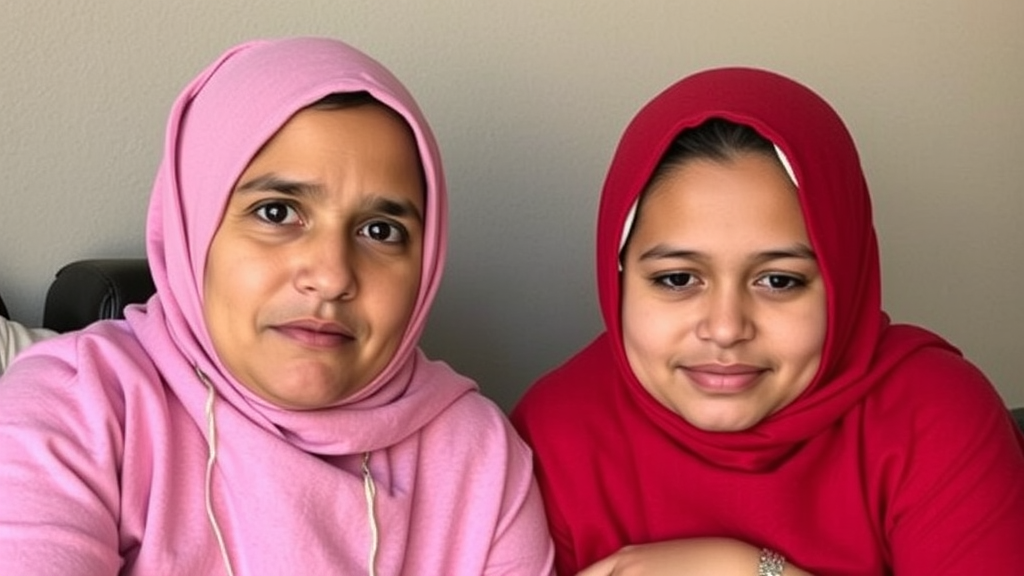
When a young mother loses her child, whether through a wrenching voluntary decision or a forced removal by child welfare authorities, the emotional fallout can be devastating. New research published in the Journal of Child and Family Studies offers one of the most detailed qualitative portraits to date of how young adults experiencing homelessness navigate parenting, mental illness, and the searing experience of separation from their children. The study, led by Rebecca Bergh of Cizik School of Nursing at The University of Texas Health Science Center at Houston, together with Sarah C. Narendorf, Cathy Rozmus, and Diane Santa Maria, interviewed nineteen parenting young adults aged 18 to 25 who were living in shelters, doubling up with friends, or housed through vouchers. Their accounts, gathered through semi-structured interviews and analyzed thematically, reveal a population caught between the relentless demands of survival and a profound, often unspoken desire for emotional healing.
The scale of the underlying problem is striking. Roughly one in ten young people in the United States experiences homelessness in any given year, and a 2018 national survey found that 44 percent of young women aged 18 to 25 experiencing homelessness were pregnant or parenting at least one child, suggesting that around 1.1 million American children had a parent in this age group who was homeless within the previous year. Prior research has documented elevated rates of depression, post-traumatic stress disorder, anxiety, and substance misuse among young adults experiencing homelessness, and among homeless young mothers in particular. In one study of 222 homeless young women aged 16 to 19, nearly half of the mothers with custody met diagnostic criteria for depression, PTSD, or alcohol use disorder. These vulnerabilities matter not only for parents; untreated maternal mental illness is associated with increased risks of developmental delays, aggression, anxiety, and depression in children, partly because depression can foster harsher parenting styles, especially in mothers with personal histories of maltreatment.
Against this backdrop, the new study asked how young parents themselves understand the relationship between their mental health and their parenting, and what it is actually like to be separated from a child while homeless. Participants were recruited from an urban homeless shelter serving young families in the Southern United States, with additional referrals from an existing cohort enrolled in a nurse-led HIV prevention trial. Eligibility required that participants be between 18 and 26, have experienced homelessness or unstable housing, have at least one child, and speak English. Interviews, lasting roughly 45 minutes to an hour, were conducted by a PhD-level investigator with nursing experience in a private room at the shelter or by phone. All nineteen completers were mothers, with a mean age of 22; fourteen identified as African American, three as Hispanic, one as White, and one as mixed race. Sixty-three percent reported at least one mental health diagnosis, including anxiety, major depression, bipolar disorder, PTSD, ADHD, schizophrenia, and oppositional defiant disorder, and 89 percent spontaneously described mental health struggles during their interviews. Seven participants, 37 percent, described postpartum depression.
The thematic analysis surfaced three interconnected themes on parenting and mental health. The first, parenting under the weight of mental health struggles, captured how mothers saw their emotional lives and their caregiving as deeply intertwined. One participant described being perpetually triggered by small things, her patience eroded by accumulated trauma, while another explained that her children could sense her distress, adopting her gloom like a contagion. Several mothers admitted that when overwhelmed, they directed their frustration at their children. Yet the mothers uniformly rejected the idea that mental illness made them incompetent parents. One woman with major depression and anxiety insisted it had never hindered her ability to care for her children, and others expressed pride in their mothering, with one declaring herself, in her children’s eyes, probably the world’s best mom. Maternal identity emerged as a powerful organizing force: several participants credited their children with motivating them to stop using substances, seek housing, and pursue employment, and one said the only reason she was still alive was her son.
The second theme, desire for healing amid barriers to mental health support, revealed a painful paradox. Mothers wanted to heal so they could be better parents, but they feared that confronting past trauma would destabilize them emotionally and leave them unable to function for their children. Without reliable childcare or social support, the prospect of doing therapeutic work felt inaccessible. Many coped through compartmentalization and emotional detachment, strategies they recognized as unhealthy but saw as the only viable option. Trust posed another barrier: of all the participants, only two described finding a therapist with whom they felt comfortable speaking openly, with one dismissing a provider as merely getting paid to care. Most strikingly, two participants described time in jail as a rare opportunity for self-reflection, because incarceration removed childcare duties and provided the time and space to begin processing childhood wounds. Fear of child protective services compounded everything; one mother avoided telling her doctor about postpartum depression because she believed disclosure could cost her the baby.
The third theme, survival priorities overshadow mental health needs, echoed the logic of Maslow’s hierarchy. When asked about their goals, mothers spoke of jobs, housing, transportation, and money for diapers and food, not therapy. Securing stable housing was repeatedly identified as the greatest source of stress and, once achieved, the foundation for everything else. Mothers separated from their children likewise saw material stability, not emotional wellness, as the key to reunification. The lack of affordable childcare emerged as a structural barrier that undermined employment, education, and mental health simultaneously, with single mothers describing the exhaustion of never having anyone to watch the child for even an hour. The authors note that service systems often reinforce this hierarchy by requiring education and employment participation before addressing mental health, leaving little room for the therapeutic work parents say they would pursue if given time, space, and support.
On the question of separation itself, 63 percent of participants had experienced past or current separation from at least one child, for periods ranging from two weeks to six years. The researchers distinguished voluntary separations, in which mothers left children with trusted relatives to escape homelessness, domestic violence, or unsafe environments, from involuntary separations triggered by child protective services involvement following abuse or neglect concerns, parental drug use, incarceration, or psychiatric hospitalization. Voluntary separations, though agonizing, preserved a sense of agency; mothers could frame them as temporary sacrifices made for the child’s benefit and could imagine reunification once their lives stabilized. Involuntary removals, by contrast, were described as traumatic betrayals. One mother who voluntarily admitted herself to a psychiatric facility during severe postpartum depression recalled child protective services taking her daughter forcefully, saying she had asked for help and been betrayed. Rather than embracing mandated services as opportunities for growth, mothers separated by the system reported simply going through the motions, completing anger management, parenting classes, and counseling without genuine engagement.
Impressions of child protective services were overwhelmingly negative. Mothers described the agency as cold, manipulative, judgmental, and traumatizing, with one participant who had grown up in foster care asserting that the system does more mental damage than anything and that she went in a normal kid and came out traumatized. Crucially, the mandatory therapy tied to reunification was distrusted precisely because it was connected to the institution judging them; mothers feared that honest disclosure of their struggles would be used against them to justify keeping their children. The mental health consequences of separation, regardless of circumstances, were severe: worsening depression, insomnia, grief over missed milestones and lost daily moments, fears of losing their maternal identity, and, for several, suicidal ideation in the immediate aftermath. One mother described seeing her nursery full of belongings with no baby in it and spiraling toward thoughts of ending her life. Others grieved hearing their children call other caregivers mama or watching their authority erode with each temporary visit.
The authors argue that these findings point toward concrete reforms. Establishing a genuine therapeutic alliance between child welfare systems and parents, involving mothers in shaping their own reunification plans, decoupling mental health treatment from custody decisions, and reimagining caseworkers as facilitators of voluntary placements could transform an antagonistic dynamic into a partnership oriented toward family preservation. Because mothers consistently prioritized basic needs, the researchers recommend providing stable housing first, then integrating mental health services into housing and childcare programs, deliberately separated from child protective services. Expanding trusted childcare, respite care, and mentorship networks may buffer the stress of parenting while homeless and reduce the likelihood of separation in the first place. The study has limitations, including its single geographic site, English-only sample, and the absence of fathers and LGBTQ+ parents, but its central message is clear: when young mothers are given stability, support, and the freedom to heal without fear of losing their children, family preservation becomes not just a policy aspiration but a lived possibility.
Subject of Research: Parent-child separation experiences and mental health needs among young adult parents experiencing homelessness
Article Title: The Lived Experiences of Parent-Child Separation and Mental Health Needs Among Young Adults Experiencing Homelessness
Article References: Bergh, R., Narendorf, S. C., Rozmus, C., & Maria, D. S. (2026). The Lived Experiences of Parent-Child Separation and Mental Health Needs Among Young Adults Experiencing Homelessness. Journal of Child and Family Studies. https://doi.org/10.1007/s10826-026-03374-2
Image Credits: AI Generated
DOI: 10.1007/s10826-026-03374-2
Keywords: youth homelessness, parenting, mental health, parent-child separation, child protective services, qualitative research, young mothers, maternal depression, family preservation, social support, child welfare, housing stability
Cite Scienmag News
Glenn Wilkins. (September 20, 2026). Young Mothers Experiencing Homelessness Describe the Hidden Trauma of Parent-Child Separation. Scienmag. https://scienmag.com/young-mothers-experiencing-homelessness-describe-the-hidden-trauma-of-parent-child-separation/
Glenn Wilkins. "Young Mothers Experiencing Homelessness Describe the Hidden Trauma of Parent-Child Separation." Scienmag, 20 September 2026, https://scienmag.com/young-mothers-experiencing-homelessness-describe-the-hidden-trauma-of-parent-child-separation/. Accessed 20 September 2026.
Glenn Wilkins. "Young Mothers Experiencing Homelessness Describe the Hidden Trauma of Parent-Child Separation." Scienmag. September 20, 2026. https://scienmag.com/young-mothers-experiencing-homelessness-describe-the-hidden-trauma-of-parent-child-separation/


