


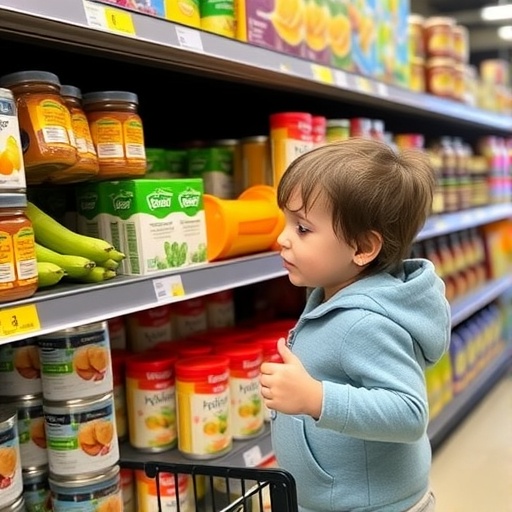
A new analysis of toddler foods sold across Texas suggests that many products marketed for ages 6–36 months may fall short of internationally recognized nutrition targets—and are frequently industrially formulated. The study was prompted as the U.S. Food and Drug Administration weighs updates to front-of-package labeling, healthy claims, and child-directed marketing standards, amid the absence of mandatory warning labels for foods high in sugar, sodium, or calories.
Researchers audited products from 21 grocery stores in Austin, photographing baby and toddler aisles and then evaluating items positioned for young children. The analysis excluded infant formula, beverages, and purees typically introduced as first foods, narrowing the focus to packaged toddler products.
Across 2,783 products, 81% were classified as ultra-processed using the NOVA system, which categorizes foods based on processing methods rather than only nutrient content. Ultra-processed foods were also more likely to contain higher sugar levels than their less-processed counterparts, pointing to a consistent pattern in formulation.
To assess nutrient adequacy, the team compared product profiles against the World Health Organization’s Nutrition and Promotion Profile Model (NPPM). Overall, 49% of the sampled products failed to meet at least one nutrient standard relevant to commercial foods intended for children aged 6–36 months.
Specifically, 17% of products did not meet WHO sodium guidance, 11% failed for fat content, and 12% exceeded energy-density thresholds. Sugar was the most common point of failure, with many items—such as sweet fruit pouches and snack-style toddler foods—pushing sugar levels beyond recommended limits.
The findings highlight examples of potential “double hits”: foods that combine ultra-processing with unfavorable nutrient patterns, including mac and cheese high in sodium and fat, and oat bars high in sugar and calories. Even items marketed as convenient snacks, such as certain cheese puffs and peanut-butter-forward puff products, were flagged for calorie or fat overload.
Because early dietary exposure can influence taste preferences and long-term eating behaviors, the researchers argue that limiting frequent consumption of ultra-processed options may matter for long-run health outcomes. However, the study notes that it remains unclear which specific components of ultra-processed foods drive observed health risks in prior research.
The analysis is limited to what parents encounter on grocery shelves and does not capture all foods toddlers ultimately consume. Still, the authors say that warning labels tied to nutrient thresholds could help families make faster, more consistent choices—and may pressure manufacturers to reformulate.
Cite Scienmag News
Courtney Benton. (July 26, 2026). Most Toddler Foods on Store Shelves Are Ultra-Processed, Study Finds. Scienmag. https://scienmag.com/most-toddler-foods-on-store-shelves-are-ultra-processed-study-finds/
Courtney Benton. "Most Toddler Foods on Store Shelves Are Ultra-Processed, Study Finds." Scienmag, 26 July 2026, https://scienmag.com/most-toddler-foods-on-store-shelves-are-ultra-processed-study-finds/. Accessed 4 September 2026.
Courtney Benton. "Most Toddler Foods on Store Shelves Are Ultra-Processed, Study Finds." Scienmag. July 26, 2026. https://scienmag.com/most-toddler-foods-on-store-shelves-are-ultra-processed-study-finds/


