

Sunday, July 26, 2026
Science
No Result
View All Result
  • Login
  • HOME
  • SCIENCE NEWS
  • CONTACT US
  • HOME
  • SCIENCE NEWS
  • CONTACT US
No Result
View All Result
Scienmag
No Result
View All Result
Home Science News Medicine

Microbial Metabolites Reshape Host Chromatin and Epigenetic Gene Regulation

July 26, 2026
in Medicine
Reading Time: 2 mins read
0
Microbial Metabolites Reshape Host Chromatin and Epigenetic Gene Regulation

Microbial Metabolites Reshape Host Chromatin and Epigenetic Gene Regulation

65
SHARES
587
VIEWS
Share on FacebookShare on Twitter
ADVERTISEMENT

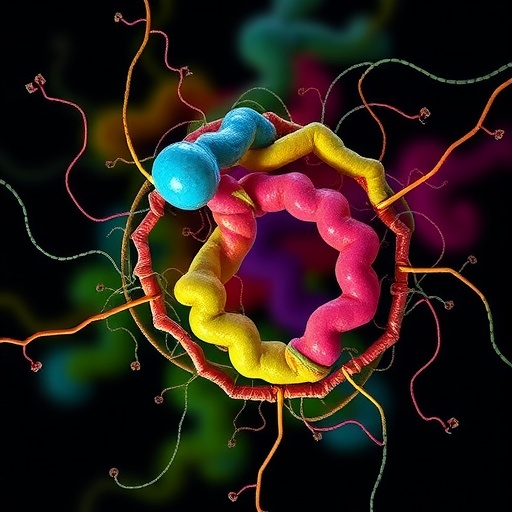
Microbiomes don’t just shape what we eat—they can help edit how our genes are used. In a new Perspective in Nature Metabolism, researchers argue that microbial metabolites influence the host epigenome by modulating histone post-translational modifications (PTMs), including emerging and understudied “histone marks” that extend far beyond the classic catalog of chromatin signals.

Histone marks work like biochemical annotations on DNA-packaging proteins. By altering residues on histone tails, they can recruit or block effector proteins that control chromatin accessibility and transcription. As new PTMs have been identified, it has become clear that microbiota-derived metabolites may be key upstream regulators of these marks—turning diet and microbial metabolism into direct signals for gene regulation.

The Perspective highlights how microbial metabolic products can affect histone PTMs through mechanisms tied to enzyme activity and substrate availability. In practice, this means that microbial metabolism can shift the cellular chemical environment in which chromatin-modifying enzymes operate, influencing the balance of adding, removing, or interpreting specific histone marks.

These microbiota-dependent chromatin changes are not merely biochemical curiosities. The authors emphasize that particular marks can regulate host gene programs relevant to physiology, including functions that are especially prominent in the intestine and related tissues where host–microbe interactions are most intense.

A major theme is host–microbe communication via chromatin: microbial metabolites can act as indirect “epigenetic regulators” by steering histone modification landscapes that govern transcriptional outcomes. This expands the concept of epigenetic regulation from a purely host-intrinsic process to one with a strong ecological component.

The article also frames histone PTMs as potential mediators of disease risk. Alterations in microbiome composition or metabolite production could reshape histone marks in ways that either protect tissues or promote pathogenic gene expression programs.

Overall, the Perspective points to an emerging mechanistic map linking microbial metabolites to specific chromatin changes and then to gene expression and health. Understanding that chain—especially for newly discovered histone marks—could reveal fresh strategies for manipulating the microbiome–epigenome axis in intestinal biology and beyond.

Finally, the authors suggest that studying these understudied PTMs may uncover regulatory layers missed by earlier epigenetic approaches, providing a sharper lens on how microbial chemistry becomes molecular control of the host genome.

Article Title: The impact of microbial metabolites on host chromatin and epigenetic regulation.

Article References: Kabir, T., Lawler, Z.K. & Gates, L.A. The impact of microbial metabolites on host chromatin and epigenetic regulation. Nat Metab (2026). https://doi.org/10.1038/s42255-026-01577-x

DOI: https://doi.org/10.1038/s42255-026-01577-x

Image Credits: AI Generated

Tags: diet-microbiota-epigenetic signaling pathwayshost-microbe interactions in gene regulationmicrobial influence on intestinal gene expressionmicrobial metabolite effects on host physiologymicrobial metabolites and enzyme activitymicrobial metabolites and host epigenetic regulationmicrobial regulation of gene expressionmicrobiome and chromatin remodelingmicrobiome impact on chromatin accessibilitymicrobiome influence on chromatin modificationsmicrobiota-derived histone post-translational modificationsmicrobiota-driven histone mark modulation
Share26Tweet16
Previous Post

Targeting TERT to Position It at the Heart of Aging Research

Next Post

Humidity-Driven Urban Air Conditioner Demand Diverges Under Climate Change

Related Posts

Mitochondrial Metabolism Predicts Chemotherapy Sensitivity in Colorectal Cancer
Medicine

Mitochondrial Metabolism Predicts Chemotherapy Sensitivity in Colorectal Cancer

July 26, 2026
ACSS2-KAT5 drives histone crotonylation to trigger MASLD-to-MASH inflammation
Medicine

ACSS2-KAT5 drives histone crotonylation to trigger MASLD-to-MASH inflammation

July 26, 2026
Androgen receptor targeting radiosensitizes glioblastoma by rewiring TGF-β/Smad3 signaling
Medicine

Androgen receptor targeting radiosensitizes glioblastoma by rewiring TGF-β/Smad3 signaling

July 26, 2026
Maternal Wildfire Exposure Linked to Neonatal Outcomes in 28-Year Chile Study
Medicine

Maternal Wildfire Exposure Linked to Neonatal Outcomes in 28-Year Chile Study

July 26, 2026
Assessing Chemical Exposure After an Industrial Accident Using Human Biomonitoring
Medicine

Assessing Chemical Exposure After an Industrial Accident Using Human Biomonitoring

July 26, 2026
Targeting TERT to Position It at the Heart of Aging Research
Medicine

Targeting TERT to Position It at the Heart of Aging Research

July 26, 2026
Next Post
Humidity-Driven Urban Air Conditioner Demand Diverges Under Climate Change

Humidity-Driven Urban Air Conditioner Demand Diverges Under Climate Change

  • Mothers who receive childcare support from maternal grandparents show more

    Mothers who receive childcare support from maternal grandparents show more parental warmth, finds NTU Singapore study

    27656 shares
    Share 11059 Tweet 6912
  • University of Seville Breaks 120-Year-Old Mystery, Revises a Key Einstein Concept

    1061 shares
    Share 424 Tweet 265
  • Bee body mass, pathogens and local climate influence heat tolerance

    682 shares
    Share 273 Tweet 171
  • Researchers record first-ever images and data of a shark experiencing a boat strike

    546 shares
    Share 218 Tweet 137
  • Groundbreaking Clinical Trial Reveals Lubiprostone Enhances Kidney Function

    531 shares
    Share 212 Tweet 133
Science

Embark on a thrilling journey of discovery with Scienmag.com—your ultimate source for cutting-edge breakthroughs. Immerse yourself in a world where curiosity knows no limits and tomorrow’s possibilities become today’s reality!

RECENT NEWS

  • Versatile On-Support Phosphitylation Enables Efficient Oligonucleotide Functionalization
  • Global Carbon Dioxide Emissions from Navigable Rivers
  • How Emotional Learning Biases Shape Everyday Food Choices
  • Mitochondrial Metabolism Predicts Chemotherapy Sensitivity in Colorectal Cancer

Categories

  • Agriculture
  • Anthropology
  • Archaeology
  • Athmospheric
  • Biology
  • Biotechnology
  • Blog
  • Bussines
  • Cancer
  • Chemistry
  • Climate
  • Earth Science
  • Editorial Policy
  • Marine
  • Mathematics
  • Medicine
  • Pediatry
  • Policy
  • Psychology & Psychiatry
  • Science Education
  • Social Science
  • Space
  • Technology and Engineering

Subscribe to Blog via Email

Enter your email address to subscribe to this blog and receive notifications of new posts by email.

Join 5,146 other subscribers

© 2025 Scienmag - Science Magazine

Welcome Back!

Login to your account below

Forgotten Password?

Retrieve your password

Please enter your username or email address to reset your password.

Log In
No Result
View All Result
  • HOME
  • SCIENCE NEWS
  • CONTACT US

© 2025 Scienmag - Science Magazine

Discover more from Science

Subscribe now to keep reading and get access to the full archive.

Continue reading
