


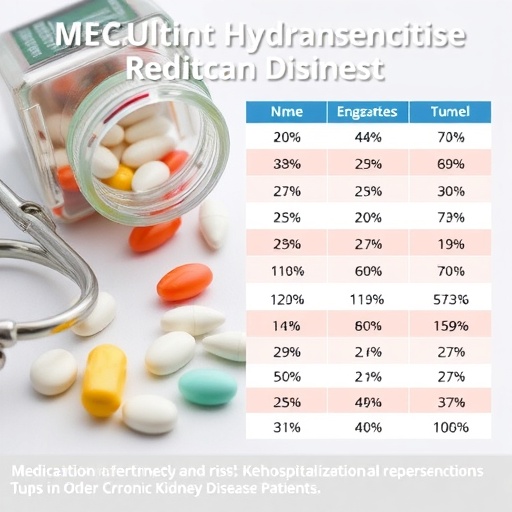
A new study in BMC Geriatrics adds evidence to a growing debate over how medication burden affects outcomes in vulnerable patients. Focusing on older adults living with chronic kidney disease, the researchers asked a practical clinical question: does the complexity of a patient’s medication regimen predict whether they will return to the hospital?
Using a retrospective cohort design, the team evaluated medication regimen complexity alongside rehospitalization outcomes. Rather than treating “number of prescriptions” as the sole factor, the analysis emphasized the multifaceted nature of regimen complexity—such as dosing schedules and the practical effort required to follow therapy correctly over time.
The study’s cohort comprised older participants with chronic kidney disease, reflecting a population where polypharmacy is common and physiological changes can alter how drugs behave in the body. In this setting, even small adherence difficulties can cascade into worsening symptoms, preventable complications, and ultimately emergency care.
Technically, the researchers linked regimen complexity measures to rehospitalization risk, controlling for relevant patient characteristics that could also influence outcomes. This approach strengthens the causal interpretation typical of observational studies, even though it cannot fully replace randomized trials.
Clinically, the results suggest that greater regimen complexity is not merely an administrative burden; it may carry measurable prognostic value for near-term health trajectories. For older adults, complex schedules can increase the probability of missed doses, dosing errors, or confusion between medications—factors that can undermine treatment goals.
The implications extend beyond adherence alone. Medication complexity can interact with kidney function decline, drug–drug interactions, and fluctuating tolerability, all of which are common in chronic kidney disease management. When these pressures accumulate, the risk of rehospitalization may rise.
For clinicians, the findings reinforce the value of medication reviews and regimen simplification strategies, including deprescribing where appropriate and consolidating dosing schedules when possible. For health systems, it supports integrating complexity assessments into routine geriatric and nephrology care pathways.
Taken together, the work positions medication regimen complexity as a modifiable risk signal. If future prospective studies confirm these patterns, clinicians could use complexity metrics to identify patients most likely to benefit from targeted interventions—potentially reducing avoidable readmissions.
Cite Scienmag News
Jerry Hayes. (July 16, 2026). Medication Complexity and Risk of Rehospitalization in Older Chronic Kidney Disease Patients. Scienmag. https://scienmag.com/medication-complexity-and-risk-of-rehospitalization-in-older-chronic-kidney-disease-patients/
Jerry Hayes. "Medication Complexity and Risk of Rehospitalization in Older Chronic Kidney Disease Patients." Scienmag, 16 July 2026, https://scienmag.com/medication-complexity-and-risk-of-rehospitalization-in-older-chronic-kidney-disease-patients/. Accessed 5 September 2026.
Jerry Hayes. "Medication Complexity and Risk of Rehospitalization in Older Chronic Kidney Disease Patients." Scienmag. July 16, 2026. https://scienmag.com/medication-complexity-and-risk-of-rehospitalization-in-older-chronic-kidney-disease-patients/


