

Friday, July 10, 2026
Science
No Result
View All Result
  • Login
  • HOME
  • SCIENCE NEWS
  • CONTACT US
  • HOME
  • SCIENCE NEWS
  • CONTACT US
No Result
View All Result
Scienmag
No Result
View All Result
Home Science News Medicine

Long-Term Stem Cell Data Boosts Chronic Stroke Recovery Research

July 10, 2026
in Medicine
Reading Time: 2 mins read
0
Long-Term Stem Cell Data Boosts Chronic Stroke Recovery Research

Long-Term Stem Cell Data Boosts Chronic Stroke Recovery Research

65
SHARES
587
VIEWS
Share on FacebookShare on Twitter
ADVERTISEMENT

Long-term Clinical Data Unveil Promise of iPSC-Derived Neural Progenitor Cells in Chronic Stroke Recovery

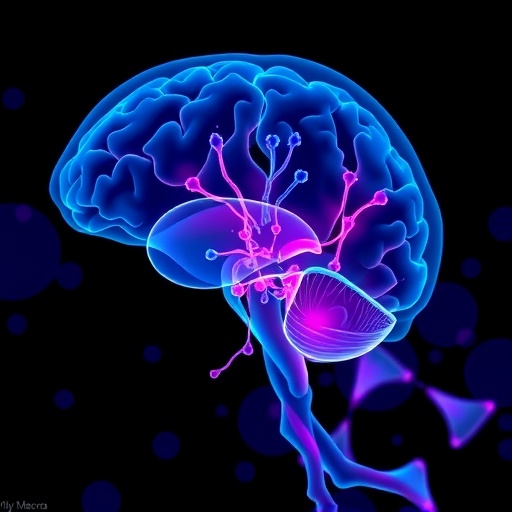
In a breakthrough presentation at the ISSCR 2026 Annual Meeting, researchers disclosed previously unpublished long-term clinical and imaging data on hNPC01, an induced pluripotent stem cell (iPSC)-derived forebrain neural progenitor cell therapy designed to treat chronic ischemic stroke. This Phase I study provides compelling evidence on the extended safety, feasibility, and biological activity of this novel regenerative approach, offering hope for patients suffering persistent motor disability after stroke.

Stroke remains a leading cause of lasting disability worldwide, where current rehabilitation strategies plateau after the chronic recovery phase, leaving patients with limited restorative options. Neural tissue regeneration represents a frontier in neurological medicine but faces challenges due to the brain’s restricted ability to naturally regenerate neurons and integrate new cells into existing neural networks safely and effectively.

The hNPC01 therapy targets this limitation by transplanting iPSC-derived neural progenitors, aiming to replace lost neurons and facilitate repair of damaged brain circuits. The study enrolled adults who had experienced ischemic strokes ranging from six months to five years prior and who exhibited stable neurological deficits refractory to standard care. This design allowed for granular assessment of therapy-induced changes, independent from spontaneous recovery.

Lead investigator Dr. Maggie Ho of Hopstem Biotechnology emphasized the value of long-term follow-up, which revealed that transplanted cells can survive over extended periods and potentially contribute to functional improvements. Advanced imaging techniques confirmed cell survival and hinted at integration within host brain tissue, addressing critical concerns about safety and engraftment in regenerative neurology.

While clinical benefits included modest motor function gains, the study underlined the importance of optimizing patient selection criteria and understanding the underlying biological mechanisms that drive recovery. These insights are essential to refine therapeutic protocols and maximize efficacy in future trials.

The findings mark a crucial milestone in translating regenerative neuroscience from bench to bedside and pave the way for larger controlled studies to rigorously evaluate the safety and effectiveness of neural progenitor transplantation. The potential to restore independence and enhance quality of life for chronic stroke survivors could transform clinical practice once these therapies reach broader validation.

The international stem cell research community, assembled at ISSCR 2026, recognized the significance of this work as a pioneering example of long-term clinical evidence essential for advancing neurological regenerative therapies. Continued investigations promise to unlock novel treatment avenues, raising hope for millions living with chronic neurological deficits.

Subject of Research: Induced pluripotent stem cell-derived neural progenitor cell therapy for chronic ischemic stroke

Article Title: Long-term Clinical Follow-up Reveals Safety and Activity of iPSC-Derived Neural Progenitor Cell Therapy in Chronic Stroke

News Publication Date: Information not provided

Web References: http://www.isscr2026.org

Tags: brain circuit repair with stem cellschronic stroke rehabilitation advancesinnovative approaches to neurological tissue repairiPSC-derived neural progenitor cellslong-term clinical trial data on neural regenerationlong-term imaging in regenerative treatmentsneural network integration in stroke therapyneural progenitor cell biological activityneural tissue transplantation safety and feasibilityregenerative medicine for ischemic strokeStem cell therapy for chronic stroke recoverystroke-induced motor disability treatment options
Share26Tweet16
Previous Post

Hantavirus Risks and Pandemic Potential from Nature Cruises Explored

Next Post

Indonesian Throughflow Heat Boost Fuels Southern Hemisphere Circulation Gyres

Related Posts

Unraveling How General Anesthesia Works at the Molecular Level
Medicine

Unraveling How General Anesthesia Works at the Molecular Level

July 10, 2026
First Clinical Trial of Stem Cell Therapy for Huntington’s Disease Announced
Medicine

First Clinical Trial of Stem Cell Therapy for Huntington’s Disease Announced

July 10, 2026
Plant Viruses Boost AI, Machine Learning, and Nanotech in Biotechnology
Medicine

Plant Viruses Boost AI, Machine Learning, and Nanotech in Biotechnology

July 10, 2026
Stem Cell Therapy Shows One-Year Survival in Retinitis Pigmentosa Patients
Medicine

Stem Cell Therapy Shows One-Year Survival in Retinitis Pigmentosa Patients

July 10, 2026
Hantavirus Risks and Pandemic Potential from Nature Cruises Explored
Medicine

Hantavirus Risks and Pandemic Potential from Nature Cruises Explored

July 10, 2026
Dr. Joe Northup Becomes 40th President of Metabolic Surgery Society
Medicine

Dr. Joe Northup Becomes 40th President of Metabolic Surgery Society

July 10, 2026
Next Post
Indonesian Throughflow Heat Boost Fuels Southern Hemisphere Circulation Gyres

Indonesian Throughflow Heat Boost Fuels Southern Hemisphere Circulation Gyres

  • Mothers who receive childcare support from maternal grandparents show more

    Mothers who receive childcare support from maternal grandparents show more parental warmth, finds NTU Singapore study

    27656 shares
    Share 11059 Tweet 6912
  • University of Seville Breaks 120-Year-Old Mystery, Revises a Key Einstein Concept

    1061 shares
    Share 424 Tweet 265
  • Bee body mass, pathogens and local climate influence heat tolerance

    682 shares
    Share 273 Tweet 171
  • Researchers record first-ever images and data of a shark experiencing a boat strike

    546 shares
    Share 218 Tweet 137
  • Groundbreaking Clinical Trial Reveals Lubiprostone Enhances Kidney Function

    531 shares
    Share 212 Tweet 133
Science

Embark on a thrilling journey of discovery with Scienmag.com—your ultimate source for cutting-edge breakthroughs. Immerse yourself in a world where curiosity knows no limits and tomorrow’s possibilities become today’s reality!

RECENT NEWS

  • Climate Change Cannot Hide Human-Caused Water Crisis in Northern China
  • Review Finds Soil Carbon Gains from Alternative Grazing Vary by Study Quality
  • Unraveling How General Anesthesia Works at the Molecular Level
  • Ocean Biogeochemical Gradients Boost Seasonal Impacts of Marine Heatwaves

Categories

  • Agriculture
  • Anthropology
  • Archaeology
  • Athmospheric
  • Biology
  • Biotechnology
  • Blog
  • Bussines
  • Cancer
  • Chemistry
  • Climate
  • Earth Science
  • Editorial Policy
  • Marine
  • Mathematics
  • Medicine
  • Pediatry
  • Policy
  • Psychology & Psychiatry
  • Science Education
  • Social Science
  • Space
  • Technology and Engineering

Subscribe to Blog via Email

Enter your email address to subscribe to this blog and receive notifications of new posts by email.

Join 5,146 other subscribers

© 2025 Scienmag - Science Magazine

Welcome Back!

Login to your account below

Forgotten Password?

Retrieve your password

Please enter your username or email address to reset your password.

Log In
No Result
View All Result
  • HOME
  • SCIENCE NEWS
  • CONTACT US

© 2025 Scienmag - Science Magazine

Discover more from Science

Subscribe now to keep reading and get access to the full archive.

Continue reading
