


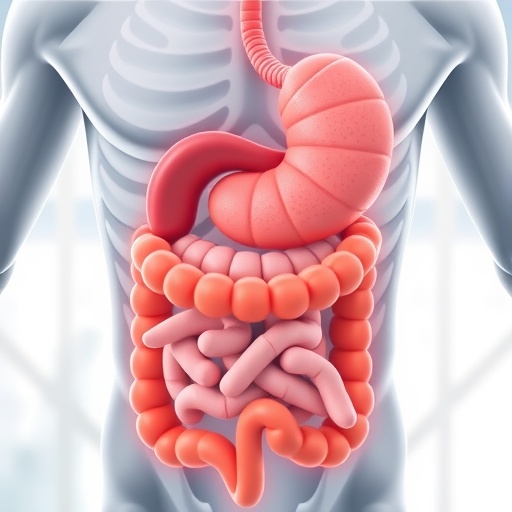
A groundbreaking international study has unveiled a previously unrecognized link between irritable bowel syndrome (IBS) and metabolic regulation, particularly focusing on the role of triglycerides. IBS, affecting over 10% of the global population, is traditionally understood as a disorder involving the gut-brain axis, characterized by symptoms such as abdominal pain, bloating, constipation, and diarrhea. However, its precise biological underpinnings have remained largely elusive, hindering the development of targeted therapies.
The comprehensive genome-wide association analysis published in Gut analyzed genetic data from nearly 2.8 million individuals across 22 global biobanks, the largest such study to date on IBS genetics. Led by Professor Mauro D’Amato of LUM University and CIC bioGUNE, the team identified 35 genetic loci associated with IBS susceptibility. While several of these loci reinforced prior understanding by implicating neural pathways within the enteric nervous system, an unexpected and robust correlation with cardiometabolic traits emerged.
Advanced computational modeling provided compelling evidence that genetic predisposition to IBS is causally connected to elevated blood triglyceride levels. Central to this discovery is a variant in the GCKR gene, a master regulator of hepatic glucose and lipid metabolism. This variant is known for promoting hepatic fat accumulation and higher triglyceride synthesis, suggesting a mechanistic bridge between liver metabolism and IBS risk, transcending the classical gut-brain narrative.
“This discovery reframes IBS as a complex systemic disorder involving metabolic processes alongside neurological signaling,” Professor D’Amato stated. The study’s insights pave the way for novel therapeutic strategies, as drug-gene expression analyses revealed several candidate compounds capable of reversing IBS-associated molecular profiles. Notably, cardiovascular and lipid-modifying drugs emerged as promising agents for repurposing in IBS treatment.
These findings advocate for a more integrated model of IBS pathophysiology that encompasses metabolic pathways, potentially enabling more personalized treatment approaches. Patients unresponsive to conventional gut- or brain-targeted therapies might benefit from interventions aimed at lipid metabolism. The study also highlights the importance of large-scale collaborative initiatives, as exemplified by the bellygenes project, which harnessed diverse datasets from UK Biobank, FinnGen, the Million Veteran Program, and All of Us.
Funded by a consortium of international bodies, including the NIH, Wellcome Trust, and the European Union’s Horizon 2020 program, this research exemplifies the power of global cooperation in unraveling complex diseases. As knowledge of the metabolic contributions to IBS advances, it opens new vistas for diagnostic and therapeutic development that were previously unconsidered.
This pivotal research not only challenges existing paradigms about IBS but also underscores the interconnectedness of metabolic and neurological systems in gastrointestinal health, heralding a new era of precision medicine for a condition that has long defied effective treatment.
News Publication Date: 9-Jul-2026
Web References: https://dx.doi.org/10.1136/gutjnl-2026-338800
References: Di Lorenzo B, Camargo Tavares L, Díaz-Muñoz C, et al. Gut. DOI: 10.1136/gutjnl-2026-338800
Cite Scienmag News
Juliet Wilcox. (July 9, 2026). Genetic Study Connects IBS to Lipid Metabolism and Triglyceride Control. Scienmag. https://scienmag.com/genetic-study-connects-ibs-to-lipid-metabolism-and-triglyceride-control/
Juliet Wilcox. "Genetic Study Connects IBS to Lipid Metabolism and Triglyceride Control." Scienmag, 9 July 2026, https://scienmag.com/genetic-study-connects-ibs-to-lipid-metabolism-and-triglyceride-control/. Accessed 3 September 2026.
Juliet Wilcox. "Genetic Study Connects IBS to Lipid Metabolism and Triglyceride Control." Scienmag. July 9, 2026. https://scienmag.com/genetic-study-connects-ibs-to-lipid-metabolism-and-triglyceride-control/


