


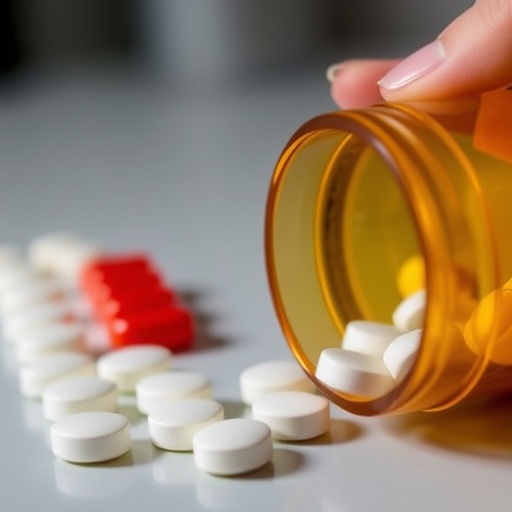
A landmark clinical trial led by University College London (UCL) and University College London Hospitals (UCLH) has scrutinized the efficacy of common medications in alleviating fatigue symptoms linked to long Covid. The extensive study, involving nearly 800 adults from specialist clinics across England and Scotland, examined the effects of antihistamines, colchicine—a known anti-inflammatory drug—and rivaroxaban, an anticoagulant typically prescribed to prevent clotting events.
Published in The Lancet Infectious Diseases and funded by the National Institute for Health and Care Research (NIHR), the trial aimed to address the therapeutic potential of these drugs amidst persistent post-viral fatigue, one of the most debilitating manifestations of long Covid. Fatigue levels were monitored over 12 and 24 weeks, revealing that all participants, regardless of treatment group, experienced meaningful improvement, underscoring the value of specialized long Covid care.
Detailed analysis showed that participants receiving antihistamines and colchicine achieved a modest but statistically significant further reduction in fatigue scores after 12 weeks compared to those receiving standard care or rivaroxaban. However, this benefit was transient, dissipating by the 24-week mark post-treatment cessation. The absence of effect from rivaroxaban suggests coagulation pathways may not be a primary driver of fatigue in long Covid.
Co-chief investigator Professor Amitava Banerjee highlighted that the mechanism behind these modest benefits could involve modulation of immune dysregulation, a suspected underpinning of long Covid pathophysiology. Both antihistamines and colchicine possess immunomodulatory functions, which may attenuate chronic inflammation. Nevertheless, the temporary nature of symptom relief indicates that these agents alone are insufficient for long-term management.
The trial’s open-label design, while introducing potential placebo effects, was considered robust due to the differential outcomes between drug groups. Dr. Melissa Heightman, clinical lead at UCLH, emphasized that the significant fatigue reduction observed among all participants was unlikely attributable to spontaneous recovery alone, given the prolonged duration of illness among subjects.
These findings represent a critical step in validating the therapeutic strategies for long Covid, a condition marked by heterogeneous symptoms and unclear etiology. The trial model established by UCL and UCLH sets a precedent for rigorously evaluating treatments for post-viral syndromes. Continued research is essential to elucidate underlying biological mechanisms and develop targeted interventions that address the complex immune and inflammatory pathways involved.
Professor Danny McAuley from NIHR underscored the importance of accessible, evidence-based treatments emerging from this work, which not only improves patient outcomes but also informs clinical pathways in community healthcare settings. This trial marks a significant advance towards an evidence-driven approach in treating the multifaceted impacts of long Covid fatigue.
Cite Scienmag News
Ophelia Keating. (July 9, 2026). Common Drugs Provide Limited Relief for Long Covid Fatigue. Scienmag. https://scienmag.com/common-drugs-provide-limited-relief-for-long-covid-fatigue/
Ophelia Keating. "Common Drugs Provide Limited Relief for Long Covid Fatigue." Scienmag, 9 July 2026, https://scienmag.com/common-drugs-provide-limited-relief-for-long-covid-fatigue/. Accessed 4 September 2026.
Ophelia Keating. "Common Drugs Provide Limited Relief for Long Covid Fatigue." Scienmag. July 9, 2026. https://scienmag.com/common-drugs-provide-limited-relief-for-long-covid-fatigue/


