


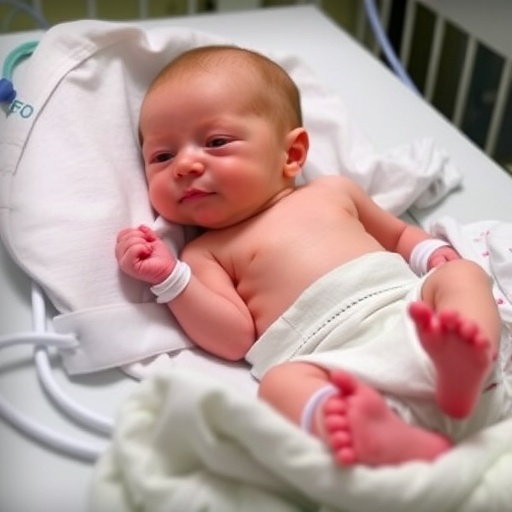
In the rapidly evolving field of neonatal care, therapeutic hypothermia has emerged as a groundbreaking intervention for infants suffering from hypoxic-ischemic encephalopathy (HIE), a condition caused by oxygen deprivation during birth. While this cooling therapy has undeniably improved outcomes in many neonates, recent insights spotlight an intricate aspect of its management that might shape the future of neonatal medicine profoundly: the timing and modulation of rewarming. A recent commentary published in Pediatric Research by Srinivasan and Harijith presents a compelling narrative on the cautious integration of dexmedetomidine, an alpha-2 adrenergic agonist, into therapeutic hypothermia protocols, particularly emphasizing the critical juncture of warming.
Therapeutic hypothermia works primarily by slowing down cellular metabolism and reducing the cascade of neuronal injury triggered by hypoxic events. Standard clinical protocols involve cooling neonates to approximately 33.5°C for 72 hours, followed by gradual rewarming. However, the rewarming phase, often overlooked, is not a mere return to normothermia but a physiologically complex transition period that may exacerbate injury if not carefully managed. Srinivasan and Harijith’s commentary suggests that premature or uncontrolled warming could disrupt the delicate neuroprotective balance achieved during cooling, potentially aggravating neuronal excitotoxicity and inflammatory responses.
In this nuanced context, dexmedetomidine enters as a neuroprotective modulator offering sedative, anxiolytic, and analgesic properties while exerting minimal respiratory depression. Importantly, it has unique neuropharmacological actions that may benefit neonates during the rewarming phase. Its ability to modulate sympathetic nervous system activity and attenuate inflammatory cytokines positions dexmedetomidine as a promising adjunct to traditional hypothermia therapy, potentially mitigating the neuronal stress associated with thermal transitions.
The authors meticulously review preclinical data illustrating dexmedetomidine’s effects in models of brain injury. Animal studies consistently show that it reduces excitotoxic damage, oxidative stress, and microglial activation—key pathological processes exacerbated during rewarming. By dampening these molecular cascades, dexmedetomidine may extend the neuroprotection window beyond hypothermia alone. Yet, Srinivasan and Harijith underscore the imperative for cautious optimism; the extrapolation of these findings to neonates requires rigorous clinical evaluation due to the unique vulnerabilities of this population.
One of the fascinating aspects raised in the commentary is the delicate balance between sedation and neurodevelopmental outcomes. Sedative agents used broadly in neonatal intensive care units have historically provoked concern for their potential long-term neurocognitive effects. Dexmedetomidine’s distinct mechanism, which mimics natural sleep rather than inducing general anesthesia, might confer an advantage by preserving neural activity patterns essential for brain maturation. However, the commentary stresses that only prospective, controlled human studies can validate these theoretical benefits while ensuring safety.
Srinivasan and Harijith keenly address the logistical and ethical challenges in integrating dexmedetomidine within the stringent framework of therapeutic hypothermia protocols. The timing, dosage, and duration of dexmedetomidine administration are critical variables. Too early a start could blunt essential recovery signals; too late might miss the therapeutic window to buffer rewarming insults. Moreover, subtle hemodynamic side effects such as bradycardia and hypotension necessitate finely tuned monitoring protocols in fragile neonates whose cardiovascular systems are still adapting postnatally.
The authors also delve into the biochemical underpinnings of rewarming injury, focusing on excitatory neurotransmitters like glutamate and their receptors, which become hyperactivated upon temperature normalization. This surge can precipitate calcium overload within neurons, triggering apoptotic pathways. Dexmedetomidine’s inhibitory effect on presynaptic neurotransmitter release and postsynaptic receptor sensitivity may temper this surge, thus protecting vulnerable neuronal populations during thermal shifts.
Another significant pharmacodynamic feature highlighted is dexmedetomidine’s modulation of autophagy and mitochondrial function. Dysregulation of these intracellular processes is implicated in ongoing neuronal damage and impaired repair mechanisms post-HIE. By stabilizing mitochondrial membranes and promoting controlled autophagy, dexmedetomidine might facilitate cellular recovery processes vital for long-term neuroprotection beyond mere survival.
The commentary further explores the translational potential of this therapy in the broader landscape of neonatal neurocritical care. Combining dexmedetomidine with hypothermia could shift therapeutic paradigms from a mono-modal approach to a multi-faceted neuroprotective strategy, sparking a new era in neonatal intensive care. The interplay between advanced sedation practices, inflammatory modulation, and temperature management might ultimately optimize neurological outcomes and reduce the burden of neurodevelopmental disabilities.
Nonetheless, Srinivasan and Harijith caution against premature enthusiasm, emphasizing that the road from bench to bedside is riddled with both scientific and clinical hurdles. Variability in hypoxic injury severity, genetic predispositions, and concurrent morbidities complicate clinical trial designs and interpretations. Moreover, potential drug interactions and the immature pharmacokinetics of neonates demand exhaustive pharmacological profiling before widescale adoption.
They advocate for meticulously designed randomized clinical trials with robust neurodevelopmental follow-ups extending into childhood to truly ascertain dexmedetomidine’s role in improving functional outcomes. Such data would complement ongoing pharmacovigilance efforts to monitor adverse effects and ensure that therapeutic advantages do not come at unexpected costs.
Interestingly, the commentary also hints at future exploration of adjunct therapies that might synergize with dexmedetomidine and hypothermia. Agents targeting oxidative stress, neuroinflammation, or molecular chaperones could be layered into comprehensive neuroprotective regimens. This optimism about combinatory treatments embodies the dynamic spirit of neonatal research, striving to translate intricate molecular insights into tangible clinical benefits.
As this discourse unfolds, the medical community awaits clarity on whether dexmedetomidine’s inclusion will indeed refine the neuroprotective efficacy of therapeutic hypothermia or merely complicate an already delicate protocol. Srinivasan and Harijith’s balanced appraisal provides a critical scientific foundation urging both enthusiasm and prudence in equal measure.
Conclusively, the commentary titled “Warming too soon? A cautious endorsement of dexmedetomidine in neonatal therapeutic hypothermia” delineates a frontier in neonatal neurocritical care that could redefine current paradigms. It advocates harnessing the pharmacological finesse of dexmedetomidine to navigate the perilous rewarming phase with greater neuroprotective precision, heralding a potentially transformative step forward in mitigating hypoxic-ischemic brain injury.
This evolving narrative underscores the essence of translational medicine: bridging molecular neuroscience with bedside clinical innovation. As research efforts intensify, the possibility to carefully tailor sedation and temperature modulation during neonatal recovery could markedly improve not only survival but also the quality of life for countless affected infants worldwide.
In summary, the cautious yet hopeful endorsement of dexmedetomidine alongside therapeutic hypothermia reflects a sophisticated understanding of the neurobiology of HIE management. It invites the neonatal and scientific communities to reconsider conventional approaches and embrace emerging pharmacotherapies that promise to enhance neurodevelopmental outcomes profoundly.
Cite Scienmag News
Harold Sullivan. (June 23, 2026). Dexmedetomidine: Early Warming in Neonatal Cooling? Scienmag. https://scienmag.com/dexmedetomidine-early-warming-in-neonatal-cooling/
Harold Sullivan. "Dexmedetomidine: Early Warming in Neonatal Cooling?" Scienmag, 23 June 2026, https://scienmag.com/dexmedetomidine-early-warming-in-neonatal-cooling/. Accessed 4 September 2026.
Harold Sullivan. "Dexmedetomidine: Early Warming in Neonatal Cooling?" Scienmag. June 23, 2026. https://scienmag.com/dexmedetomidine-early-warming-in-neonatal-cooling/


