


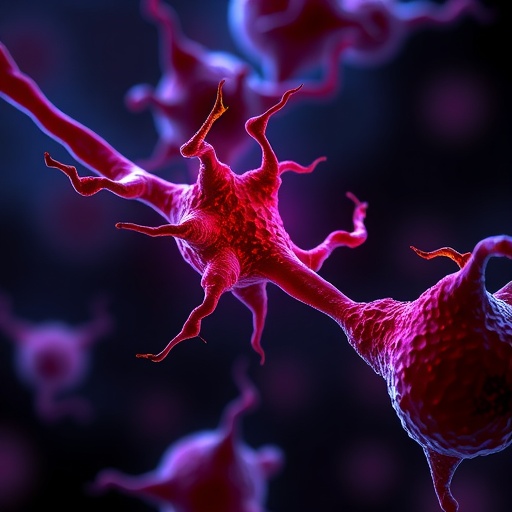
In a groundbreaking advance, researchers have illuminated a pivotal biochemical pathway capable of mitigating sepsis-acquired weakness (SAW), a severe and debilitating consequence of sepsis that compromises muscle function and overall patient recovery. The study, recently published in the journal Cell Death Discovery, identifies the AMPK/SIRT1 signaling cascade as a critical modulator acting through PGC-1α and PPARγ, unveiling promising therapeutic avenues that could transform outcomes for countless sepsis survivors worldwide.
Sepsis-acquired weakness represents a profound clinical challenge, characterized by rapid and severe muscle wasting that complicates rehabilitation and prolongs intensive care stays. Despite its high prevalence and devastating impact, effective treatments have long remained elusive, primarily due to an incomplete understanding of the molecular underpinnings driving muscle catabolism during systemic inflammatory responses. This new research shines a light on how cellular energy sensors and metabolic regulators orchestrate muscle resilience, offering a beacon of hope for therapeutic intervention.
Central to the study is AMP-activated protein kinase (AMPK), an evolutionarily conserved energy sensor that maintains cellular homeostasis by modulating metabolic pathways in response to energetic stress. The activation of AMPK initiates a cascade of adaptive responses that enhance mitochondrial biogenesis and energy production, thereby promoting cellular survival under adverse conditions. Intriguingly, AMPK also acts in concert with SIRT1, a nicotinamide adenine dinucleotide (NAD+)-dependent deacetylase known for its role in aging, metabolic regulation, and stress resistance.
The researchers meticulously demonstrated that the activation of AMPK stimulates SIRT1, which subsequently influences the activity of PGC-1α (Peroxisome proliferator-activated receptor gamma coactivator 1-alpha), a master regulator of mitochondrial biogenesis and oxidative metabolism. PGC-1α’s coactivator function enhances the transcriptional activity of PPARγ (Peroxisome proliferator-activated receptor gamma), a nuclear receptor integral to adipogenesis and glucose metabolism. The synergistic engagement of these molecules fosters improved mitochondrial function and energy homeostasis within skeletal muscle cells, countering the muscle degradation induced by sepsis.
Experimental models recapitulating sepsis conditions revealed that pharmacological or genetic upregulation of the AMPK/SIRT1 axis substantially ameliorated muscle atrophy and improved contractile function. These findings underscore a mechanistic framework whereby metabolic reprogramming mediated through PGC-1α/PPARγ drives protective processes that sustain muscle integrity under the catabolic stress imposed by sepsis.
Beyond confirming the protective role of the AMPK/SIRT1 pathway, this study elucidates the complex interplay between energy sensing, mitochondrial dynamics, and transcriptional regulation within skeletal muscle cells under inflammatory stress. The insights provide a conceptual paradigm shift, positioning metabolic modulation as a frontline strategy for tackling sepsis-induced muscular deterioration—a strategy that could complement existing approaches aimed at controlling infection and inflammation.
The translational implications are profound. Targeting the AMPK/SIRT1/PGC-1α/PPARγ axis has the potential not only to forestall muscle loss but also to restore muscle strength and endurance, thereby accelerating functional recovery and reducing long-term disability among sepsis survivors. Given that muscle weakness is a key determinant of morbidity and mortality in this patient population, such interventions could substantially improve quality of life and decrease healthcare burdens.
Moreover, the research paves the way for developing novel pharmacotherapeutics that precisely modulate these signaling pathways. Small molecules or biological agents enhancing AMPK and SIRT1 activity might be engineered to optimize mitochondrial health and metabolic resilience, tailoring treatments to the dynamic needs of septic patients in critical care. The ability to fine-tune these pathways offers a precision medicine approach to combat a condition with limited therapeutic options.
The authors also highlight the broader relevance of their findings, noting that the AMPK/SIRT1/PGC-1α/PPARγ axis might be implicated in other muscle-wasting diseases linked to inflammation and metabolic dysregulation, such as cachexia in cancer and chronic obstructive pulmonary disease (COPD). Understanding these shared mechanisms opens new horizons for cross-disciplinary therapeutic developments aimed at preserving muscle function across multiple pathologies.
This meticulously conducted study integrates molecular biology, physiology, and clinical relevance to provide a nuanced understanding of how energy metabolism governs muscle health in critical illness. It underscores the importance of mitochondrial function as a determinant of cellular fate and resilience against systemic insults, reinforcing the paradigm that restoring metabolic homeostasis is essential in disease management.
The researchers further suggest that future investigations could explore combinatorial therapies integrating AMPK/SIRT1 activation with nutritional and rehabilitative strategies to enhance recovery trajectories in sepsis. By leveraging synergistic effects, it may be possible to maximize therapeutic efficacy and personalize interventions based on patient-specific metabolic profiles.
Additionally, ongoing studies are needed to delineate the temporal dynamics of AMPK/SIRT1 signaling during different stages of sepsis and recovery, to optimize timing and dosing of potential therapeutic agents. Such efforts will be crucial to translating these foundational insights into clinically effective regimens.
In sum, the revelation that the AMPK/SIRT1 pathway modulates PGC-1α/PPARγ activity to alleviate sepsis-acquired weakness represents a paradigm-shifting leap forward in critical care medicine. It forges an essential link between cellular energy sensing, mitochondrial health, and muscle preservation, with vast implications for improving patient outcomes.
As the global healthcare community grapples with the challenges posed by sepsis, this elegant mechanistic elucidation provides a much-needed scientific compass pointing toward innovative interventions. It exemplifies the power of integrating fundamental molecular research with clinical imperatives to tackle some of the most pressing healthcare issues of our time.
Future clinical trials stemming from this research could herald a new era in the management of sepsis-acquired weakness, one defined by precision metabolic modulation and restored patient vitality. This discovery not only deepens our understanding of muscle pathology in critical illness but also inspires renewed optimism for survivors’ recovery and rehabilitation prospects.
In conclusion, the activation of AMPK/SIRT1-mediated signaling cascades provides a novel and potent therapeutic target to combat the debilitating effects of sepsis on muscle tissue. By harnessing the mitochondrial biogenesis and metabolic reprogramming capabilities orchestrated by PGC-1α and PPARγ, this approach holds promise for transforming sepsis care and enhancing the lives of millions affected by this devastating condition.
Cite Scienmag News
Ophelia Keating. (June 23, 2026). AMPK/SIRT1 Activation Boosts PGC-1α/PPARγ to Combat Sepsis Weakness. Scienmag. https://scienmag.com/ampk-sirt1-activation-boosts-pgc-1%ce%b1-ppar%ce%b3-to-combat-sepsis-weakness/
Ophelia Keating. "AMPK/SIRT1 Activation Boosts PGC-1α/PPARγ to Combat Sepsis Weakness." Scienmag, 23 June 2026, https://scienmag.com/ampk-sirt1-activation-boosts-pgc-1%ce%b1-ppar%ce%b3-to-combat-sepsis-weakness/. Accessed 3 September 2026.
Ophelia Keating. "AMPK/SIRT1 Activation Boosts PGC-1α/PPARγ to Combat Sepsis Weakness." Scienmag. June 23, 2026. https://scienmag.com/ampk-sirt1-activation-boosts-pgc-1%ce%b1-ppar%ce%b3-to-combat-sepsis-weakness/


