


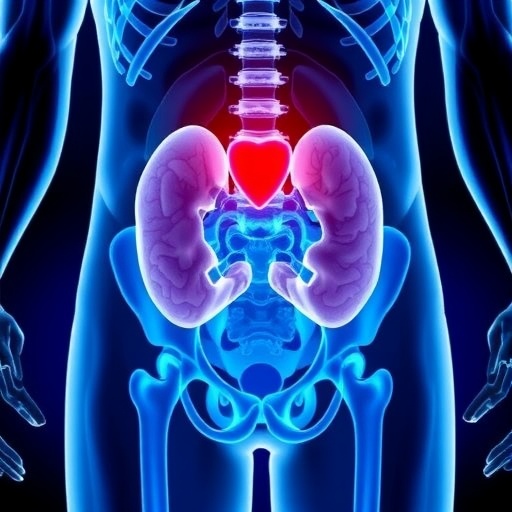
Urolithiasis, commonly known as kidney stone disease, has surged in prevalence worldwide, driven predominantly by escalating rates of obesity, diabetes, and metabolic syndrome. These metabolic disorders profoundly alter the biochemical milieu within the urinary system, fostering an environment ripe for stone formation. However, beyond these primary drivers lies a subgroup of patients for whom stone formation is uniquely complex and influenced by additional intersecting factors—patients living with cancer. This intersection between oncology and nephrology unveils a nuanced, clinically significant phenomenon that demands urgent attention within the medical community.
Cancer patients embody a constellation of risk factors predisposing them to urolithiasis that transcend traditional paradigms. For instance, systemic cancer therapies, particularly chemotherapeutic regimens, have well-documented nephrotoxic effects and disrupt fluid and electrolyte balance, contributing to conditions conducive to lithogenesis. Tumor lysis syndrome, a common oncological emergency characterized by massive cellular breakdown and release of intracellular contents, can drastically increase serum uric acid and phosphate levels, further precipitating stone formation. Additionally, anatomical alterations arising from surgical interventions such as urinary diversions or nephrectomies create mechanical and functional changes that foster urinary stasis—a prime ground for stone development.
Interestingly, the relationship between cancer and urolithiasis appears bidirectional. Epidemiological data suggest that patients with a history of kidney stones may face an increased incidence of renal cell carcinoma, urothelial carcinoma, and bladder cancer. The underlying mechanisms are multifaceted. Chronic inflammation induced by recurrent stone passage and retained calculi triggers a persistent pro-oncogenic environment in the urothelium. Simultaneously, recurrent urinary tract infections accompanying stones can promote carcinogenesis through sustained epithelial damage and dysregulated repair pathways. There is also growing evidence implicating shared metabolic or environmental exposures—such as smoking or exposure to industrial chemicals—that simultaneously elevate cancer and stone risks.
Management of urolithiasis in cancer patients is fraught with complexity, necessitating highly individualized therapeutic strategies. The altered anatomy post-cancer surgery significantly influences the choice of intervention. Percutaneous nephrolithotomy (PCNL), which involves the creation of a percutaneous tract into the kidney to directly remove stones, is increasingly recognized as the most effective approach for achieving maximal stone clearance in patients with anatomical distortions. However, the invasiveness of PCNL and risk profiles in immunocompromised oncology patients require careful preoperative assessment and multidisciplinary coordination.
In contrast, less invasive modalities such as retrograde intrarenal surgery (RIRS) and shock wave lithotripsy (SWL) have more selective roles in this population. RIRS utilizes flexible ureteroscopes to access and fragment stones and holds promise in select cases where anatomy remains relatively preserved. SWL, while non-invasive and widely used in the general population, often presents limitations in cancer patients particularly due to altered tissue characteristics and stone composition that may affect stone fragmentation efficacy. Thus, tailored decisions weighing patient anatomy, stone burden, and oncological status are imperative.
Preventive strategies have gained paramount importance in this unique patient cohort, recognizing that recurrence in cancer-associated urolithiasis can complicate ongoing cancer care. Thorough metabolic evaluation remains the cornerstone, aiming to uncover and correct biochemical abnormalities such as hypercalcemia—commonly seen in malignancies like multiple myeloma or parathyroid carcinoma—and acidosis, which can alter urinary pH and stone solubility. Equally critical is optimizing hydration status to counter the often low fluid intake and mucositis-induced dehydration frequently encountered in oncology patients.
Furthermore, addressing cancer-specific risk factors such as chronic urinary stasis, which arises from both anatomical and functional derangements post-surgery or radiation, is essential. The implementation of protocols to monitor and intervene in high-risk patients early has shown promise in mitigating stone burden and preserving renal function. Yet, the integration of such preventive regimens into routine oncological practice remains insufficient, hampered by fragmented care pathways and limited evidence-based guidelines.
Despite these advances in understanding, substantial gaps persist in our knowledge regarding the epidemiology, pathophysiological mechanisms, and optimal management strategies for urolithiasis in cancer patients. The existing literature is predominantly retrospective, and many studies amalgamate heterogeneous patient populations under broad labels, obscuring cancer-specific nuances. Prospective, longitudinal research is urgently needed to delineate causal pathways, identify biomarkers predictive of stone risk, and refine tailored preventive strategies that can be deployed alongside cancer treatment protocols.
Beyond epidemiological clarity, mechanistic research at the molecular and cellular levels holds transformative potential. Unraveling how cancer-driven systemic inflammation, altered mineral metabolism, and therapy-induced nephrotoxicity synergize to promote lithogenesis could reveal novel therapeutic targets. Likewise, exploring how stone-related chronic inflammation may in turn foster a pro-tumorigenic microenvironment could lead to innovative biomarkers for early cancer detection in stone-forming individuals.
The complexity of managing this intersectional disease also underscores the need for multidisciplinary collaboration between urologists, oncologists, nephrologists, and nutritionists. Developing integrated care pathways that holistically address the unique challenges of cancer-associated urolithiasis can optimize patient outcomes and quality of life. Emphasis should also be placed on patient education and engagement, empowering individuals to recognize symptoms early and adhere to preventive measures amidst the taxing course of cancer treatment.
Innovations in surgical technology and minimally invasive techniques promise to improve safety and efficacy profiles for stone removal in cancer patients with complex anatomy. Moreover, advances in pharmacotherapy targeting metabolic aberrations specific to oncological conditions open the door to personalized medicine approaches. Integrating real-world data and artificial intelligence-guided predictive modeling may further enhance risk stratification and clinical decision-making in this expanding field.
In conclusion, urolithiasis in patients with cancer emerges as a profoundly intricate clinical challenge shaped by overlapping metabolic, anatomical, and therapeutic factors. The bidirectional association between stone disease and malignancy underscores a compelling need to reframe both disciplines’ approach to diagnosis and management. While current interventions and preventive strategies provide a foundational framework, there remains a pressing necessity for focused research and multidisciplinary innovation. Addressing the educational, diagnostic, and therapeutic gaps revealed by this emerging nexus will profoundly impact patient care paradigms and improve clinical outcomes in an increasingly common yet underappreciated comorbidity of cancer.
Cite Scienmag News
Nathaniel Bowman. (June 22, 2026). Urolithiasis in Cancer Patients: Causes and Insights. Scienmag. https://scienmag.com/urolithiasis-in-cancer-patients-causes-and-insights/
Nathaniel Bowman. "Urolithiasis in Cancer Patients: Causes and Insights." Scienmag, 22 June 2026, https://scienmag.com/urolithiasis-in-cancer-patients-causes-and-insights/. Accessed 5 September 2026.
Nathaniel Bowman. "Urolithiasis in Cancer Patients: Causes and Insights." Scienmag. June 22, 2026. https://scienmag.com/urolithiasis-in-cancer-patients-causes-and-insights/


