


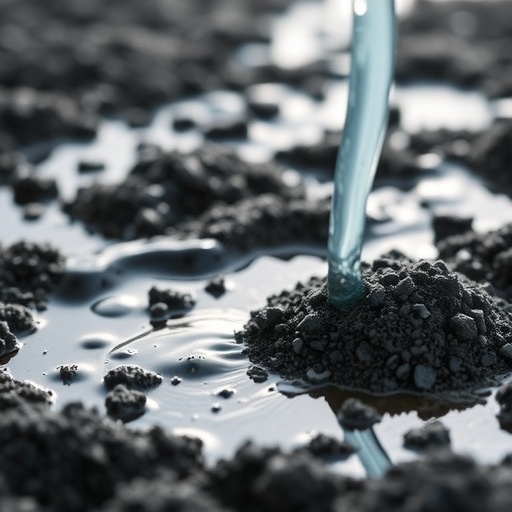
In recent years, the scientific community has begun to recognize the untapped potential of process water generated during hydrothermal carbonization—a byproduct historically regarded as waste. This liquid fraction, which can constitute up to 70% of the original feedstock volume, possesses a complex composition rich in nutrients such as nitrogen, phosphorus, potassium, and diverse organic compounds. These attributes position it as a promising resource in the realms of sustainable agriculture and circular bioeconomy, a paradigm shift that transcends conventional waste management practices.
Hydrothermal carbonization itself is an emerging thermochemical technology designed to transform wet biomass—including food waste, sewage sludge, and agricultural residues—into hydrochar, a carbon-dense solid material valued for its energy content and soil amendment properties. Much of the research to date has concentrated on optimizing hydrochar yield and characteristics; however, growing attention now focuses on the associated aqueous fraction produced during the reaction. Understanding and harnessing this process water is critical to realizing the full environmental and economic benefits of hydrothermal carbonization.
The chemical milieu of process water is intricate, containing elevated concentrations of macronutrients vital for plant growth as well as a considerable pool of dissolved organic carbon. These constituents have demonstrated agronomic benefits when employed as liquid fertilizers or soil health amendments. Experimental applications on crops like rice have yielded impressive results, including yield increments approaching 30% and enhancements in nutrient use efficiency by 15–30%. This dual benefit highlights the capacity of process water to contribute significantly to food production systems while mitigating the environmental footprint of synthetic fertilizers.
From a resource recovery perspective, the process water can serve as a valuable input in nutrient recycling frameworks. Advanced recovery techniques, such as struvite precipitation, enable the selective extraction of phosphorus and nitrogen, which can be recycled into fertilizers, maintaining nutrient cycles and decreasing dependency on finite mineral reserves. Moreover, the organic-rich fraction holds promise for bioenergy generation through anaerobic digestion, producing methane-rich biogas that can offset fossil fuel consumption within agricultural operations.
Despite these advantages, the application of process water in agriculture requires meticulous management due to the presence of potentially phytotoxic substances such as organic acids, phenols, and salts. Untreated or improperly handled process water may inhibit plant growth or result in soil degradation. Consequently, strategies including dilution, blending with other organic amendments, and pre-treatment methods like neutralization and filtration are often necessary to mitigate toxicity and optimize agronomic outcomes.
Critically, the physicochemical properties of process water are not static but are profoundly influenced by the operational parameters of hydrothermal carbonization. Variables such as reaction temperature, residence time, and feedstock characteristics modulate nutrient concentrations and the spectrum of inhibitory compounds present. By calibrating these conditions, it becomes feasible to tailor process water outputs, effectively customizing nutrient profiles and reducing harmful components to develop site- and crop-specific liquid fertilizers.
Ecological advantages associated with repurposing process water are noteworthy. Substitution of conventional synthetic fertilizers with nutrient-rich process water can substantially reduce greenhouse gas emissions linked to fertilizer manufacturing and application. Life cycle assessments reveal potential reductions in global warming potential by up to 50% under optimized scenarios, contributing meaningfully to climate mitigation efforts within the agricultural sector.
Yet, despite promising laboratory and small-scale field trial results, substantial uncertainties remain. The long-term impacts of repeated process water application on soil health parameters—including microbial communities, nutrient cycling, and salinity—require in-depth investigation. Additionally, variability in feedstock composition and process conditions necessitates thorough large-scale demonstrations to validate agronomic consistency and economic feasibility.
From a regulatory and safety standpoint, frameworks to govern the use of process water as a fertilizer are not yet fully established. Developing standardized guidelines to ensure safe application rates, treatment protocols, and environmental monitoring will be essential to facilitate the adoption of this technology by farmers and agribusinesses, and to assure public and environmental health.
Research to date signals a transformative opportunity: repositioning hydrothermal carbonization process water from a disposal problem into a valuable, multifunctional resource that integrates seamlessly with circular bioeconomy principles. Such an approach dovetails with the broader move towards regenerative agriculture and sustainable resource management, aiming to close nutrient loops and enhance agricultural system resilience.
Authors of the recent comprehensive review in Biochar emphasize the importance of continued interdisciplinary research efforts, advocating for long-term field studies and pilot projects that explore the scalability and integration of process water utilization within diverse agricultural landscapes. This research is pivotal to not only advancing scientific understanding but also fostering commercial application and policy development.
Ultimately, this paradigm shift of viewing process water as a nutrient-rich liquid fertilizer and soil amendment offers a promising conduit for advancing sustainable agriculture. It exemplifies innovative resource recovery from waste streams and contributes to reducing the environmental footprint of food production, aligning with global imperatives for climate-smart and circular bioeconomic strategies.
News Publication Date: 27-Apr-2026
Web References:
http://dx.doi.org/10.1007/s42773-026-00614-y
References:
Chu, Q., Liu, X., Feng, Y. et al. Process water from hydrothermal carbonization: from waste to liquid fertilizer and soil health amendment in circular bioeconomy. Biochar 8, 96 (2026). https://doi.org/10.1007/s42773-026-00614-y
Cite Scienmag News
Gideon R. (April 27, 2026). From Wastewater to Wealth: Breakthroughs in Liquid Fertilizer via Hydrothermal Carbonization. Scienmag. https://scienmag.com/from-wastewater-to-wealth-breakthroughs-in-liquid-fertilizer-via-hydrothermal-carbonization/
Gideon R. "From Wastewater to Wealth: Breakthroughs in Liquid Fertilizer via Hydrothermal Carbonization." Scienmag, 27 April 2026, https://scienmag.com/from-wastewater-to-wealth-breakthroughs-in-liquid-fertilizer-via-hydrothermal-carbonization/. Accessed 29 August 2026.
Gideon R. "From Wastewater to Wealth: Breakthroughs in Liquid Fertilizer via Hydrothermal Carbonization." Scienmag. April 27, 2026. https://scienmag.com/from-wastewater-to-wealth-breakthroughs-in-liquid-fertilizer-via-hydrothermal-carbonization/


