

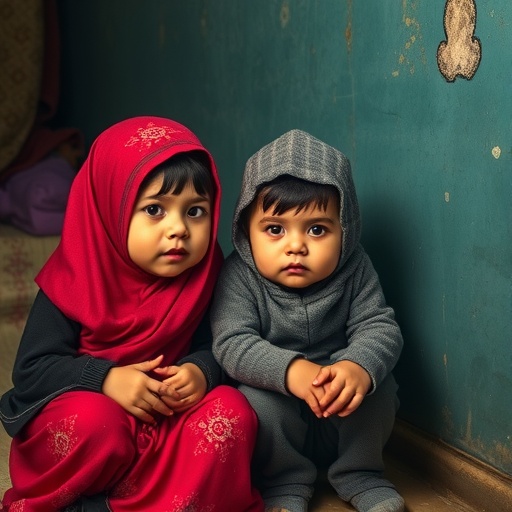
In the sprawling landscape of Türkiye, home to over three million Syrian refugees, a silent health crisis underscores the urgent need for advanced medical intervention and research. Among these displaced populations, the prevalence of inherited metabolic disorders (IMDs) reveals a complex interplay of genetics, environmental stressors, and the social challenges faced by refugee communities. IMDs, rare genetic conditions that disrupt normal metabolic processes, often manifest early in life with debilitating consequences if undiagnosed or untreated. Yet, within refugee populations—especially those with high rates of consanguineous marriages—the risk and incidence of these disorders multiply, presenting unprecedented public health challenges.
Inherited metabolic disorders encompass a wide array of genetic mutations that impair enzymatic activity essential for metabolism—the body’s chemical process to generate energy and eliminate toxins. Defects in these enzymes lead to the accumulation of toxic substances or the deficit of critical molecules, interfering with normal development. Identifying IMDs early is vital; biochemical pathways offer a narrow window for therapeutic intervention before irreversible damage occurs, such as neurodevelopmental delays, organ failure, or even mortality. For refugee children, timely diagnosis remains an elusive goal, hindered by barriers like limited healthcare infrastructure, language gaps, and socioeconomic deprivation.
The consanguinity factor is particularly pronounced in the Syrian refugee demographic in Türkiye. Consanguineous unions—marriages between biologically related individuals—increase the probability of autosomal recessive conditions, including many IMDs. This genetic closeness concentrates harmful mutations within families and communities, amplifying inherited disorder rates beyond global averages. Consequently, refugee children become disproportionately affected by conditions such as phenylketonuria, maple syrup urine disease, and various lysosomal storage disorders, each demanding complex diagnostic and therapeutic approaches.
Early neonatal screening programs, a cornerstone of IMD management in many high-income countries, face significant hurdles in the refugee context. Although Türkiye has robust newborn screening infrastructure, access remains uneven among refugee populations due to logistical difficulties and systemic disparities. Many refugee babies are born in informal settings or lack consistent follow-up care, leading to late or missed diagnoses. This delay exacerbates morbidity and limits intervention efficacy, deepening health inequities.
Technological advances in genetic sequencing and metabolomic profiling offer promising avenues for overcoming some diagnostic challenges. Next-generation sequencing (NGS), in particular, enables comprehensive mutation screening at a reduced cost and faster turnaround. However, integrating such advanced tools within overstretched refugee health systems demands considerable investment, training, and coordination. Bridging the gap between cutting-edge science and ground-level healthcare delivery is crucial to changing the trajectory of IMD outcomes in refugee children.
The plight of Syrian refugees with IMDs in Türkiye also underscores broader socioeconomic determinants of health. Factors such as malnutrition, exposure to environmental toxins, psychological stress, and interrupted medical histories compound the clinical picture. These social determinants interfere with the metabolism of patients beyond the genetic predisposition, further complicating clinical management. Efforts to address IMDs must therefore adopt a multidisciplinary and culturally sensitive approach, aligning medical care with social support mechanisms.
Moreover, collaborative international frameworks are imperative for improving awareness, diagnosis, and treatment of IMDs among refugees. Global health organizations, governments, and researchers need to unite resources and expertise to establish robust screening, referral, and treatment pathways tailored to displaced communities. Shared data repositories and telehealth solutions can extend specialist consultation to remote or underserved areas, dismantling barriers created by displacement and resource scarcity.
From a research perspective, the refugee IMD burden in Türkiye presents an unprecedented opportunity to deepen scientific understanding of genetic epidemiology within consanguineous populations. Comprehensive genomic studies could elucidate novel mutations, variant frequencies, and phenotypic spectra unique to displaced Syrians. Such insights would not only enhance diagnostic precision for refugee patients but also enrich global genetic databases, shaping future therapeutic innovations.
Yet, ethical considerations surrounding genetic research in vulnerable populations must be rigorously addressed. Informed consent, respect for cultural values, protection of sensitive data, and equitable access to resulting medical benefits are essential pillars of ethical research. The intersection of displacement, genetics, and the right to health demands carefully crafted policies to uphold human dignity alongside scientific progress.
Therapeutic options for many IMDs remain limited, often requiring lifelong dietary modifications, enzyme replacement therapies, or in severe cases, hematopoietic stem cell transplantation. High costs and logistical challenges restrict availability, especially within refugee settings where continuity of care is fragile. Innovative treatment modalities such as gene therapy hold promise but are yet inaccessible or untested in large-scale refugee health programs.
Policy initiatives in Türkiye and internationally must prioritize integrating IMD diagnostics and treatment into primary healthcare frameworks serving refugees. Training healthcare workers in recognizing early signs, providing culturally competent counseling, and ensuring medication availability will mitigate adverse outcomes. Furthermore, community education campaigns can raise awareness about the genetic risks of consanguinity, offering balanced information while respecting cultural contexts.
The cascading impact of addressing IMDs extends beyond individual health outcomes. Early detection and management reduce hospitalization rates, alleviate caregiver burden, and improve quality of life, ultimately contributing to more stable and resilient refugee communities. Such positive feedback loops demonstrate the far-reaching value of investing in specialized metabolic care alongside broader humanitarian aid efforts.
In this light, the experience of Türkiye as a host country provides valuable lessons for global health practitioners managing displaced populations worldwide. It highlights the necessity of adaptable health systems capable of responding to nuanced genetic and environmental health determinants within crisis settings. Bridging humanitarian and medical domains through scientific innovation and policy reform can transform the landscape for IMDs in refugee children.
As refugee crises continue to evolve, so must our medical paradigms, ensuring that genetic disorders hidden beneath immediate survival needs receive the attention and resources they demand. The intersection of displacement, genetics, and health equity in Türkiye’s Syrian refugee communities offers a compelling case study to inspire action, research, and compassion worldwide.
Cite this news
SCIENMAG. (April 24, 2026). Refugee Kids and Metabolic Disorders: Türkiye Insights. https://scienmag.com/refugee-kids-and-metabolic-disorders-turkiye-insights/
SCIENMAG. "Refugee Kids and Metabolic Disorders: Türkiye Insights." Scienmag, 24 April 2026, https://scienmag.com/refugee-kids-and-metabolic-disorders-turkiye-insights/. Accessed 28 August 2026.
SCIENMAG. "Refugee Kids and Metabolic Disorders: Türkiye Insights." Scienmag. April 24, 2026. https://scienmag.com/refugee-kids-and-metabolic-disorders-turkiye-insights/


