


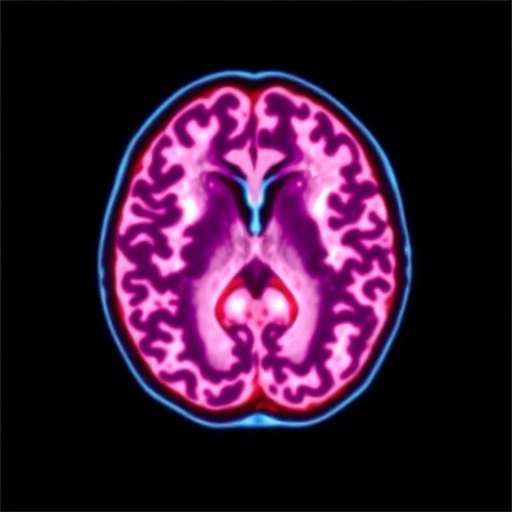
In a groundbreaking advancement for stroke therapy, a recent randomized clinical trial published in Nature Communications brings to light the synergistic effects of albumin administration combined with endovascular therapy for treating acute ischemic stroke patients. Acute ischemic stroke, a leading cause of disability and mortality worldwide, results from an abrupt obstruction of cerebral blood flow, often eliciting irreversible brain damage if not rapidly managed. While mechanical thrombectomy through endovascular techniques has revolutionized treatment by physically removing the occlusion, therapeutic adjuncts to enhance outcomes remain a critical unmet need. This study, led by Liu, Dong, Zhang, and colleagues, pioneers the exploration of albumin—a naturally abundant plasma protein—as a potential amplifier of neuroprotection and vascular restoration when paired with endovascular intervention.
The pathophysiology of ischemic stroke is complex and multifactorial, involving excitotoxicity, oxidative stress, inflammation, and blood-brain barrier disruption. Albumin, beyond its classical role as a plasma volume expander, harbors properties that modulate inflammatory cascades, scavenge reactive oxygen species, and stabilize endothelial cells. Prior preclinical investigations hinted at albumin’s neuroprotective potential; however, translation into clinical application had been hampered by insufficient robust trials. Through meticulous patient selection and rigorous methodology, the trial aimed to quantify not only the efficacy but also the safety profile of albumin infusions administered adjunctively during the acute phase of mechanical thrombectomy.
The trial recruited a substantial cohort of acute ischemic stroke patients eligible for endovascular therapy, enrolling them under stringent criteria to reduce confounds such as hemorrhagic transformation risk or extensive infarct core size. Participants received either standard endovascular thrombectomy alone or in combination with intravenous albumin administered within hours of arterial recanalization. Primary endpoints focused on functional neurological outcomes at 90 days post-intervention, assessed by the modified Rankin Scale (mRS), while secondary outcomes evaluated infarct volume reduction, reperfusion quality, and adverse event incidence. Blinding and randomization protocols ensured methodological integrity, providing reliable and clinically meaningful findings.
Strikingly, the combination therapy group demonstrated significantly enhanced neurological recovery compared to the control cohort, with a higher proportion achieving favorable mRS scores indicative of functional independence. This improvement correlated with a measurable decrease in ischemic core expansion on follow-up neuroimaging, suggesting albumin’s efficacy in curtailing secondary injury cascades triggered by reperfusion. The researchers hypothesize that albumin’s antioxidant and anti-inflammatory effects attenuate microvascular damage and cerebral edema, mechanisms that complement mechanical restoration of blood flow. These results underscore the therapeutic value of targeting both vascular occlusion and the downstream neurobiological processes in stroke management.
From a safety standpoint, albumin adjunctive therapy was well tolerated, with no significant increase in hemorrhagic complications or systemic adverse effects compared to thrombectomy alone. This safety profile is pivotal as it supports the feasibility of integrating albumin infusions into existing acute stroke treatment algorithms without exacerbating bleeding risks, which remain a paramount concern in reperfusion therapies. The trial’s rigorous monitoring for symptomatic intracerebral hemorrhage and other neurovascular events bolsters confidence in albumin’s compatibility with aggressive recanalization strategies.
The trial also sheds light on the mechanistic insights underlying stroke recovery modulation. Albumin is known to interact with endothelial nitric oxide synthase (eNOS), enhancing nitric oxide bioavailability, which facilitates vasodilation and improves microcirculatory flow post-occlusion. In animal models, albumin has been shown to mitigate excitotoxic neuronal death by binding free fatty acids and reducing calcium overload in neurons. By translating these molecular effects into human clinical settings, the current study provides critical evidence supporting albumin’s multifaceted role beyond mere fluid replacement, redefining its therapeutic potential in cerebrovascular disease.
Importantly, the authors discuss the pharmacokinetics of albumin dosing employed, highlighting the timing and concentration necessary to achieve neuroprotective concentrations in the ischemic penumbra without causing hypervolemia. The study carefully balanced infusion rates to maximize efficacy while minimizing risks, a critical consideration given albumin’s osmotic properties and influence on intravascular volume. Future research will likely refine dosing regimens and investigate possible synergistic effects with other neuroprotective agents or anticoagulation protocols, paving the way for personalized stroke therapies.
This clinical trial arrives at a time when stroke care is rapidly evolving, with an emphasis on early intervention and minimizing infarct progression. Current standards emphasize mechanical thrombectomy and intravenous thrombolysis, yet these modalities often fall short in preventing subsequent neurological deterioration due to reperfusion injury and inflammatory sequelae. By addressing these shortcomings, albumin infusion represents a paradigm shift that couples vascular reopening with biochemical modulation of brain tissue resilience. The authors advocate for larger, multicenter trials to validate these findings across diverse populations and explore long-term neurological and cognitive outcomes associated with this dual treatment approach.
The trial’s implications extend beyond acute stroke treatment, suggesting potential applicability in other ischemia-reperfusion scenarios such as traumatic brain injury and cardiac arrest, where oxidative stress and microvascular impairment similarly dictate outcomes. The concept of combining endovascular hardware advances with adjunctive pharmacotherapy exemplifies a multidimensional approach to neuroprotection, one that leverages an integrated understanding of stroke pathophysiology and targeted intervention strategies. With mounting evidence, albumin could soon redefine therapeutic frameworks for brain ischemia and open fertile avenues for translational research.
Furthermore, this study stimulates critical discourse around the biological role of plasma proteins in cerebral homeostasis and injury response. Albumin’s interaction with the endothelial glycocalyx, a dynamic protective barrier, may contribute to stabilizing the blood-brain barrier during ischemic insult—an area warranting further exploration. Given the diverse functional repertoire of albumin, including ligand binding, antioxidant activity, and oncotic pressure maintenance, its systemic administration might confer broad clinical benefits beyond localized neuroprotection, potentially improving systemic hemodynamics in critically ill stroke patients.
While the results are compelling, the authors emphasize certain limitations inherent in the trial design. The single-blind approach and relatively short follow-up period could influence the generalizability and robustness of long-term outcomes. Additionally, variability in patient comorbidities and stroke subtypes may affect treatment response heterogeneity. Nonetheless, consistent improvements in functional metrics and safety parameters provide a strong basis for ongoing clinical development and regulatory consideration.
The translational impact of albumin combined with endovascular therapy heralds a new chapter in stroke treatment, marrying cutting-edge interventional techniques with biologically inspired pharmacology. As stroke remains a leading cause of global disability and mortality, innovations that improve functional recovery and reduce long-term care burdens are urgently needed. This trial exemplifies how translational research can bridge laboratory insights with clinical practice, ultimately improving patient outcomes and reshaping therapeutic algorithms on a global scale.
In conclusion, Liu et al.’s clinical trial robustly demonstrates that albumin infusion administered alongside endovascular thrombectomy significantly improves neurological outcomes in acute ischemic stroke with an excellent safety profile. This dual-modality intervention offers a novel, scalable approach to mitigating ischemic injury by targeting both mechanical and molecular contributors to stroke pathology. As the medical community continues to unravel the complexities of stroke biology and refine therapeutic strategies, albumin’s established biological versatility and safety make it a promising candidate for widespread clinical adoption and further scientific exploration.
Cite Scienmag News
Cassandra Pierce. (April 20, 2026). Albumin Plus Endovascular Therapy Boosts Stroke Outcomes. Scienmag. https://scienmag.com/albumin-plus-endovascular-therapy-boosts-stroke-outcomes/
Cassandra Pierce. "Albumin Plus Endovascular Therapy Boosts Stroke Outcomes." Scienmag, 20 April 2026, https://scienmag.com/albumin-plus-endovascular-therapy-boosts-stroke-outcomes/. Accessed 4 September 2026.
Cassandra Pierce. "Albumin Plus Endovascular Therapy Boosts Stroke Outcomes." Scienmag. April 20, 2026. https://scienmag.com/albumin-plus-endovascular-therapy-boosts-stroke-outcomes/


