


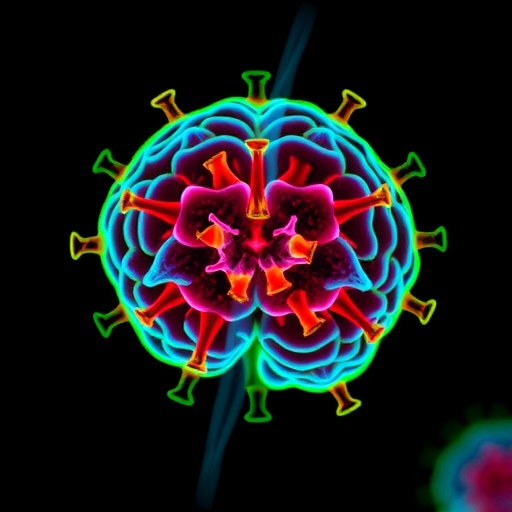
The global pandemic caused by SARS-CoV-2, the virus responsible for COVID-19, has left an indelible mark on human health, with implications extending far beyond the acute phase of infection. As the world begins to transition from crisis management to long-term care strategies, attention increasingly centers on a challenging and complex aftermath known as post-COVID-19 condition (PCC), or long COVID. This syndrome has emerged as a mosaic of persistent symptoms that linger for months, often debilitating those affected. An estimated 6% of individuals recovering from acute COVID-19 develop this perplexing chronic condition, underscoring the vast scope of its impact on global public health.
One of the most striking features of PCC is its profound neurological and psychological dimension. Patients report a diverse array of symptoms that hint at the pervasive involvement of the nervous system. These symptoms include cognitive impairments colloquially known as “brain fog,” persistent headaches, overwhelming fatigue, and a spectrum of mood disturbances ranging from anxiety to depression. While these manifestations vary in intensity and duration, their consistent presence across diverse populations has galvanized research into understanding their etiology, progression, and therapeutic avenues.
At the heart of ongoing research into PCC is the effort to standardize symptom assessment through internationally recognized core outcome sets. Such frameworks enable clinicians and researchers to systematically characterize the symptomatology of long COVID, allowing for meaningful comparisons and collaborative insights. This consensus-driven approach is critical given the heterogeneity of PCC, which can manifest differently depending on age, sex, pre-existing conditions, and the severity of initial infection. By refining diagnostic criteria and establishing robust measurement tools, the medical community aims to navigate the complexity of this condition more effectively.
Decades of virology and neurology research cast light on potential mechanisms driving the persistent neurological deficits observed in PCC. Immune dysregulation post-infection stands out as a key suspect. The acute infection triggers an intense immune response, which in some individuals spirals into a chronic state of inflammation or autoimmunity. Such immune dysfunction might perpetuate damage in neural circuits or hamper recovery processes. Furthermore, the microvascular endothelium — the delicate lining of brain blood vessels — appears compromised in some patients, leading to microvascular dysfunction. This pathology could disrupt cerebral blood flow and oxygen delivery, contributing to the constellation of cognitive and neurological symptoms.
Neuroimaging studies provide a window into the brain’s structural and functional alterations linked to post-COVID syndrome. Advanced modalities such as magnetic resonance imaging (MRI) have revealed volumetric changes in key brain regions implicated in cognition and emotion regulation. These neuroanatomical shifts underscore that PCC is not merely a subjective experience but is rooted in detectable physiological alterations. The implications insinuate a more chronic neuropathological process, emphasizing the need for longitudinal imaging and neuropathological studies to elucidate the long-term trajectory of brain recovery or degeneration following COVID-19.
The intricate interplay between neurobiological and psychiatric symptoms in PCC is a subject of burgeoning interest. Traditionally, cognitive deficits such as memory loss and attention disturbances were viewed independently from psychiatric disorders. However, emerging data suggest a bidirectional interaction where neurobiological changes underscore psychological symptoms and vice versa. Anxiety and depression, frequently observed in PCC patients, may not simply be secondary responses to chronic illness but could originate from the same dysregulated neural networks affected by the virus and immune responses. This intersection highlights the necessity for integrated neuropsychiatric care paradigms rather than siloed approaches.
Treating PCC’s neurological and psychological manifestations remains a formidable challenge, with ongoing clinical trials exploring diverse therapeutic strategies. Some studies investigate immunomodulatory agents to counteract dysregulated immune responses, while others focus on neurorehabilitation and cognitive therapy to mitigate brain fog and fatigue. Pharmacological interventions for mood disorders within the context of PCC are also under scrutiny, aiming to tailor treatments that address the intertwined neuroimmune and psychiatric factors unique to SARS-CoV-2’s aftermath. These trials promise to refine clinical guidelines and offer hope for symptom relief and functional restoration.
The scale of the problem is daunting: millions worldwide grapple with lingering symptoms that impair quality of life and work capacity. PCC poses unique challenges to healthcare systems ill-prepared for a chronic, multisystem disease with predominant neurological manifestations. The healthcare community must build infrastructures not only to manage acute infections but also to provide comprehensive, multidisciplinary post-viral care. This shift demands investments in specialized clinics, enhanced diagnostic tools, and training programs versed in the nuances of long COVID’s neuropsychological spectrum.
Understanding PCC extends beyond SARS-CoV-2; it potentially revolutionizes our approach to post-viral syndromes at large. Historically, conditions like chronic fatigue syndrome and post-viral encephalopathies lacked definitive biomarkers or therapeutic clarity. The concentrated research efforts driven by the pandemic might yield transformative insights into these enigmatic disorders, forging pathways to similarly improve diagnosis and management across a range of post-infectious neurological conditions. This global health crisis, though devastating, thus catalyzes a renaissance in neuroinfectious disease research and care.
The long-term neurological impacts of COVID-19 also raise important considerations about brain resilience and plasticity. The brain’s capacity to adapt following injury is well-documented, yet SARS-CoV-2 introduces novel challenges, including direct viral effects, vascular insults, and immune-mediated neuronal injury. Understanding how these factors influence neuroplasticity could underpin therapeutic strategies, leveraging rehabilitation to harness adaptive neurological changes and mitigate deficits. This approach aligns with contemporary neuroscience paradigms that emphasize brain recovery through targeted stimulation and cognitive engagement.
Moreover, PCC compels us to revisit the neuroimmune dialogue at a fundamental level. Interactions between the peripheral immune system and central nervous system are complex and delicate, with the blood-brain barrier acting as a critical interface. Disruption of this barrier or aberrant signaling can precipitate neurological dysfunction. Research spotlighting these mechanisms in SARS-CoV-2 infection may illuminate broader principles of neuroimmune communication that apply across infectious and autoimmune neurological diseases, ultimately enriching the field of neuroimmunology.
In addition to scientific investigation, public health messaging about PCC must evolve. Awareness campaigns are essential to educate both healthcare providers and patients about the possibility of long-term symptoms and the importance of early recognition and intervention. Stigma reduction is equally vital, as neurological and psychiatric symptoms are frequently misunderstood or minimized. Empowering affected individuals with knowledge and support fosters engagement with healthcare services and promotes better outcomes, ensuring that the lingering shadows of COVID-19 do not prolong suffering unnecessarily.
Future research priorities clearly emphasize the need for large-scale, multicenter longitudinal cohort studies. Tracking patients from acute infection through various recovery stages will clarify symptom trajectories, identify risk factors, and detect potential late-emerging complications. Integrating biomarker discovery—including genomic, proteomic, and neuroimaging data—into these cohorts will facilitate personalized medicine approaches. This individualized perspective is crucial given PCC’s heterogeneous nature and may allow stratification of patients for targeted interventions.
In essence, the post-COVID-19 neurological sequelae represent a frontier of modern medicine combining virology, neurology, psychiatry, and immunology. The insights garnered from unraveling this syndrome extend well beyond COVID-19, offering a blueprint for addressing the complexity of post-infectious brain health. As the scientific community intensifies efforts to decode the molecular and systemic mechanisms underpinning PCC, the ultimate goal remains clear: to alleviate suffering, restore function, and enhance life quality for millions worldwide. This endeavor symbolizes an urgent and hopeful chapter in the ongoing battle against a pandemic that continues to reshape every facet of human health.
Cite Scienmag News
Cassandra Pierce. (April 13, 2026). Unraveling SARS-CoV-2’s Long-Term Brain Impact. Scienmag. https://scienmag.com/unraveling-sars-cov-2s-long-term-brain-impact/
Cassandra Pierce. "Unraveling SARS-CoV-2’s Long-Term Brain Impact." Scienmag, 13 April 2026, https://scienmag.com/unraveling-sars-cov-2s-long-term-brain-impact/. Accessed 8 September 2026.
Cassandra Pierce. "Unraveling SARS-CoV-2’s Long-Term Brain Impact." Scienmag. April 13, 2026. https://scienmag.com/unraveling-sars-cov-2s-long-term-brain-impact/


