


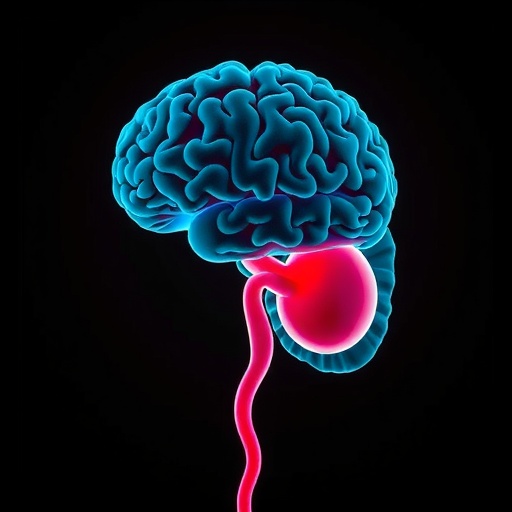
Emerging research has uncovered a startling new role for amylin, a pancreatic hormone traditionally linked to metabolic processes, illuminating its surprising influence on the brain’s emotional and social circuits. This breakthrough study, recently published in Translational Psychiatry, reveals that amylin’s impact on emotionality and sociability is not uniform but varies distinctly between sexes—signaling a profound sex-divergent neurobiological mechanism. These findings push the boundaries of how we understand the interplay between peripheral hormones and central nervous system functions, potentially reshaping future approaches to neuropsychiatric disorders.
Amylin, a peptide hormone co-secreted with insulin by pancreatic β-cells, has long been recognized for its regulatory effects on glucose metabolism and appetite suppression. However, emerging evidence is now painting a more intricate picture, wherein amylin crosses the blood-brain barrier, modulating neuronal activity in regions traditionally associated with emotional regulation. This study delves deep into the neuroendocrine crosstalk between the pancreas and the brain, revealing that amylin is more than just a metabolic messenger—it is a key modulator of neural circuits that govern mood and social behaviors.
The research employed cutting-edge molecular and behavioral methodologies to dissect the role of amylin in emotion and social interaction. Animal models were carefully chosen to represent both male and female physiology, revealing pronounced sex differences in amylin receptor expression and downstream signaling pathways. Intriguingly, males and females exhibited divergent behavioral responses after modulation of amylin signaling, indicating that this hormonal axis could be differentially wired during neurodevelopment, influenced by sex steroids or epigenetic regulators.
At the neuronal level, amylin-derived signals were shown to interface with key brain regions such as the amygdala, prefrontal cortex, and hypothalamus—areas heavily implicated in emotional processing, decision-making, and social cognition. By employing in vivo calcium imaging and optogenetic tools, the study demonstrated that alterations in amylin levels directly modulated neuronal excitability and synaptic plasticity within these circuits. This mechanistic insight provides a compelling physiological basis for observed behavioral phenotypes related to anxiety, sociability, and affect regulation.
Importantly, the sex-specific effects observed suggest a nuanced mechanism wherein amylin receptor subtypes may couple distinctly to intracellular signaling cascades in males versus females. For instance, female brains appeared to show enhanced activation of cAMP/PKA pathways following amylin stimulation, correlating with anxiolytic and pro-social behaviors. Conversely, male brains demonstrated a propensity for calcium-dependent kinase activation, associated with heightened vigilance and altered social preference. These results underscore the complexity of hormonal neuromodulation across sexes and demand a reevaluation of sex as a biological variable in neuropsychiatric research.
Further biochemical assays revealed dynamic regulation of amylin receptor components and their accessory proteins, pointing to a highly plastic receptor system subject to hormonal milieu and cellular context. These molecular players could serve as novel targets for therapeutic intervention, especially given their selective distribution and function in emotion-related neural circuits. By identifying precise molecular signatures underlying sex-dependent effects, tailored pharmacological strategies could be developed to address mood disorders with greater efficacy and fewer side effects.
The translational impact of this study emerges poignantly when considering disorders characterized by emotional dysregulation and social impairments, such as depression, anxiety disorders, and autism spectrum conditions. Current treatments largely focus on monoaminergic systems with variable success, often neglecting the complex hormonal influences that traverse peripheral and central domains. The demonstration that a metabolic hormone like amylin governs emotional and social behaviors opens unexplored avenues for integrative therapies that synchronize endocrinological and neurological frameworks.
Moreover, the study’s findings resonate with clinical observations linking metabolic syndromes, such as diabetes and obesity, to heightened vulnerability to psychiatric disorders. Since amylin is intimately involved in metabolic homeostasis, its aberrant signaling might serve as a biological bridge connecting metabolic health to mental well-being. Understanding this interface could elucidate why metabolic imbalances exacerbate mood symptoms and social withdrawal, offering a mechanistic rationale for holistic treatment approaches.
A remarkable aspect of the investigation was the application of advanced gene editing technologies to modulate amylin receptor expression in targeted brain regions. By selectively silencing or enhancing receptor activity, researchers could causally link amylin signaling to specific behavioral outcomes. These sophisticated manipulations provide robust evidence of causality rather than mere correlation and set the stage for future therapeutic gene modulation techniques.
Behavioral paradigms included a spectrum of tests to assess anxiety-like behavior, social preference, and emotional resilience, ensuring a comprehensive phenotypic characterization. Data analysis revealed consistent sex-based differences, reinforcing the necessity to tailor mental health interventions according to biological sex. Such insights challenge the historically male-centric bias in preclinical studies and urge a paradigm shift towards inclusivity in research design.
Crucially, the study also probed the interplay between amylin and classical neuropeptides like oxytocin and vasopressin, well-known modulators of social behavior. Synergistic effects were observed whereby amylin enhanced oxytocinergic signaling in females, potentially explaining the amplified prosocial effects. In males, interactions with vasopressin pathways appeared more prominent, influencing territorial and social dominance behaviors. These complex neuropeptide networks reveal an intricate hormonal symphony orchestrating social cognition.
The discovery that a hormone traditionally relegated to metabolic roles wields considerable influence over brain function compels a reevaluation of neuroendocrine research. It challenges the concept of hormone compartmentalization and advocates for integrative models that capture the fluid interconnections between peripheral organs and the brain. This paradigm could significantly influence future research trajectories in psychiatry and neurobiology.
From a broader perspective, the findings offer hope for novel diagnostics based on hormonal profiling. Assessing amylin levels and receptor function could become part of comprehensive mental health evaluations, potentially predicting vulnerability to affective disorders or social dysfunction. This aligns with the growing trend towards personalized medicine, where biomarkers guide individualized treatment plans.
As we face rising mental health challenges worldwide, insights gleaned from this research could herald new classes of therapeutics that harness metabolic hormones to recalibrate emotional and social behavior. The sex-specific dimensions of amylin signaling highlight the potential for precision medicine approaches that respect biological diversity, enhancing treatment outcomes and reducing adverse effects.
In conclusion, this pioneering study underscores the profound interrelation between metabolism and mental health, spotlighting amylin as a pivotal player in the regulation of emotionality and sociability. By revealing sex-divergent pathways and neurobiological mechanisms, it lays critical groundwork for future investigations and clinical innovations. The journey from pancreas to brain, mediated through amylin, unfolds a remarkable story of biological integration that promises to redefine our understanding of human behavior.
Cite Scienmag News
Glenn Wilkins. (April 11, 2026). Pancreatic Hormone Amylin Shapes Emotions Differently by Sex. Scienmag. https://scienmag.com/pancreatic-hormone-amylin-shapes-emotions-differently-by-sex/
Glenn Wilkins. "Pancreatic Hormone Amylin Shapes Emotions Differently by Sex." Scienmag, 11 April 2026, https://scienmag.com/pancreatic-hormone-amylin-shapes-emotions-differently-by-sex/. Accessed 6 September 2026.
Glenn Wilkins. "Pancreatic Hormone Amylin Shapes Emotions Differently by Sex." Scienmag. April 11, 2026. https://scienmag.com/pancreatic-hormone-amylin-shapes-emotions-differently-by-sex/


