


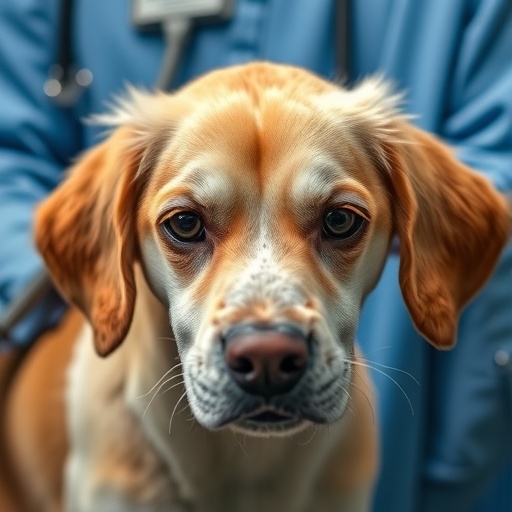
In the veterinary field, identifying and addressing animal abuse has long presented a challenging ethical and clinical dilemma. Recently, a small-scale survey conducted in the Netherlands has brought to light an unnerving phenomenon: a significant proportion of veterinarians report encountering cases that resemble animal abuse by falsification. This form of abuse parallels the human medical condition known as Munchausen syndrome by proxy, where a caregiver fabricates or induces illness in another, often a child, to garner attention or sympathy. The survey’s findings, published in PLOS One, add a new dimension to our understanding of animal welfare issues and the critical role veterinarians play in detecting such elusive abuse.
Animal abuse by falsification is characterized by caregivers deliberately falsifying or exaggerating illness symptoms in their pets, sometimes even inducing harm to provoke medical intervention. This duplicity not only causes direct harm to the animal but also strains the veterinarian’s diagnostic and ethical responsibilities. The Dutch study, led by researchers operating without specific funding, aimed to assess veterinary awareness and encounters with this phenomenon. Presented as a survey, the research collected data directly from practicing veterinarians, painting a picture of how prevalent and recognized these cases are in clinical contexts.
The survey revealed that more than half of the respondents had likely come across instances of fabricated animal illness during their professional work. This high incidence signifies that animal abuse via falsification is not a fringe issue limited to anecdotal cases but a widespread challenge demanding dedicated attention. Veterinary practitioners are thus on the front lines, uniquely positioned to identify these subtle and often concealed forms of abuse. Their clinical acumen, combined with careful observation of caregiver behavior, becomes indispensable for safeguarding animal welfare.
From a technical perspective, diagnosing such abuse requires scrutinizing inconsistent or non-correlating clinical signs that do not align with typical pathophysiology. For example, animals may present with symptoms unexplainable by objective examination or laboratory results, or where the reported history conflicts with clinical findings. These discrepancies should alert veterinarians to possible deliberate misrepresentation or induced harm. However, differentiating genuine medical conditions from fabricated ones requires advanced diagnostic tools, comprehensive medical histories, and sometimes repeated evaluations to verify consistent clinical presentations.
This phenomenon draws a direct analogy to Munchausen syndrome by proxy—which primarily involves caregivers who often seek medical attention for themselves through the illness of their dependent—highlighting psychological motivations underpinning such behavior. Similar to human cases, animal abuse by falsification involves complex psychological dynamics, including the perpetrator’s desire for control, attention, or emotional gratification. Understanding these psychosocial aspects is crucial for veterinarians, who must navigate sensitive conversations with owners while prioritizing the animal’s welfare.
The implications of this form of abuse extend beyond the veterinary clinic. Detecting and reporting suspected cases demand coordinated efforts involving animal welfare organizations, legal authorities, and psychological experts. The ethical responsibility for veterinarians goes beyond medical treatment to include advocacy for abused animals, potentially triggering investigations that may lead to legal protection and intervention. This multidisciplinary challenge underscores the necessity for veterinary education to encompass training on recognizing and managing abuse by falsification.
Moreover, the survey underscores gaps in existing veterinary protocols for handling suspected fabricated illness. Many practitioners reported uncertainty about how to proceed when faced with inconclusive evidence but strong suspicions of abuse. Establishing guidelines for documentation, communication with clients, and collaboration with animal protection services is imperative. These protocols will empower veterinarians to act decisively, ensuring animals receive protection without compromising the standards of medical ethics or client confidentiality unnecessarily.
Technological advancements may also play a role in combating this issue. The integration of advanced diagnostic imaging, biomarker analysis, and rigorous clinical record-keeping enhances the objectivity of veterinary assessments. Such tools can help identify inconsistencies in presentations, reducing reliance on anecdotal evidence alone. Additionally, digital tracking of clinical signs over time via electronic medical records and wearable sensors on animals could provide objective data trends that alert clinicians to suspicious patterns indicative of falsification.
Furthermore, continuing professional development programs focusing on psychosocial dimensions of animal abuse—especially by falsification—can enhance veterinary preparedness. Interdisciplinary workshops involving psychologists, legal experts, and animal welfare advocates may foster a comprehensive understanding of abuse dynamics and intervention strategies. This proactive educational approach ensures that veterinarians are not only clinicians but also vigilant protectors of animal welfare within complex social contexts.
The Dutch survey highlights the necessity for further large-scale research to validate findings and explore prevalence across different geographical and cultural settings. Understanding regional differences in veterinary practices, owner behaviors, and animal welfare legislations can inform targeted interventions. Comparative studies could also elucidate risk factors specific to certain species, environments, or demographic groups, enabling tailored prevention strategies.
In conclusion, animal abuse by falsification is an underrecognized yet pervasive issue that commands urgent attention within veterinary medicine. The findings from the Netherlands bring this hidden form of harm into the spotlight, challenging the profession to expand diagnostic, ethical, and educational frameworks accordingly. Protecting animals from deliberate falsification requires an integrated approach encompassing clinical expertise, psychological insight, legal collaboration, and compassionate care. As awareness grows, veterinary practitioners are poised to become pivotal agents in combating this insidious type of animal cruelty.
Cite Scienmag News
William Thompson. (April 8, 2026). Over Half of Veterinarians Report Encountering Animal Abuse by Falsification, Similar to Munchausen Syndrome by Proxy, According to Small Dutch Survey. Scienmag. https://scienmag.com/over-half-of-veterinarians-report-encountering-animal-abuse-by-falsification-similar-to-munchausen-syndrome-by-proxy-according-to-small-dutch-survey/
William Thompson. "Over Half of Veterinarians Report Encountering Animal Abuse by Falsification, Similar to Munchausen Syndrome by Proxy, According to Small Dutch Survey." Scienmag, 8 April 2026, https://scienmag.com/over-half-of-veterinarians-report-encountering-animal-abuse-by-falsification-similar-to-munchausen-syndrome-by-proxy-according-to-small-dutch-survey/. Accessed 3 September 2026.
William Thompson. "Over Half of Veterinarians Report Encountering Animal Abuse by Falsification, Similar to Munchausen Syndrome by Proxy, According to Small Dutch Survey." Scienmag. April 8, 2026. https://scienmag.com/over-half-of-veterinarians-report-encountering-animal-abuse-by-falsification-similar-to-munchausen-syndrome-by-proxy-according-to-small-dutch-survey/


