


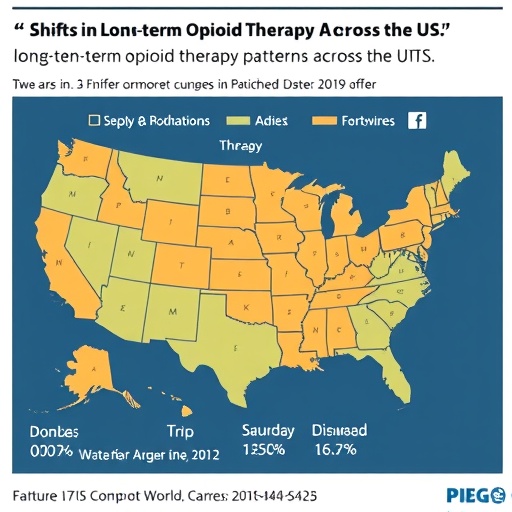
Over the course of nearly a decade, from 2015 to 2023, a notable transformation has occurred in the landscape of opioid prescriptions within the United States. Recent research published in JAMA presents a comprehensive analysis of long-term opioid therapy trends, revealing a marked decline in the number of U.S. patients receiving these prescriptions. This downward trend is widely attributed to heightened national efforts aimed at opioid stewardship alongside an increased public and clinical awareness of the serious risks associated with extended opioid use.
Despite the observed decline, data from 2023 indicate that a substantial population—estimated between four to five million patients—continued to be prescribed long-term opioid therapy. This variation in patient numbers depends on the operational definition of ‘long-term’ opioid use applied in the study. The persistence of such a large cohort underscores the complexity of managing chronic pain amid evolving regulatory and clinical guidelines.
A significant demographic shift has also been documented among patients prescribed these therapies. Over the years, the average age of patients on long-term opioid treatment has increased, with a substantial proportion now being covered under Medicare. This trend highlights an aging population reliant on these medications and points to the necessity of considering age-related physiological changes and comorbidities when evaluating treatment risks and benefits.
The intersection of aging and opioid therapy introduces heightened vulnerability to adverse outcomes, particularly in the context of polypharmacy. Older adults often present with multiple chronic conditions requiring numerous medications, increasing the risk of drug-drug interactions and cumulative side effects. The study draws attention to the growing rates of coprescribing alongside opioids, especially with gabapentinoids, a class of medications frequently used to treat neuropathic pain and other conditions.
The concurrent prescription of opioids with gabapentinoids raises important safety concerns due to their synergistic effects on the central nervous system. Both drug categories can depress respiratory function, which may significantly increase the risk of overdose and mortality. This interaction necessitates vigilant patient monitoring and underscores the importance of integrative prescribing practices that prioritize patient safety.
Opioid stewardship initiatives have played a central role in the decline of long-term opioid use. These programs typically involve comprehensive strategies encompassing provider education, prescription monitoring programs, and updated clinical guidelines aimed at reducing unnecessary opioid exposure and promoting alternative pain management modalities. The effectiveness of such stewardship reflects a successful public health response to the opioid epidemic.
However, the study also cautions against an overly simplistic interpretation of reduced opioid prescribing rates. The persistence of millions of long-term opioid users highlights ongoing challenges, including the need to adequately manage chronic pain and the risks posed by abrupt discontinuation or inadequate pain control. Medical professionals face a delicate balancing act in mitigating risks while providing compassionate and effective care.
Another aspect emerging from the research pertains to insurance coverage dynamics. The fact that Medicare now covers the largest portion of long-term opioid therapy patients brings to the forefront the implications of public insurance policies on medication access, monitoring, and patient outcomes. This shift necessitates policy initiatives that align with clinical best practices to optimize therapy safety in older populations.
The study also frames these findings within the broader social and economic context of healthcare, population aging, and disease management. Understanding prescription patterns in conjunction with demographic trends allows for a more nuanced approach to healthcare resource allocation and patient education efforts. It emphasizes the critical need for tailored interventions that address the unique vulnerabilities of specific patient groups.
In terms of research innovation, this investigation leveraged robust datasets spanning multiple years, enabling an intricate exploration of temporal trends and demographic variables. Such methodological rigor ensures that conclusions drawn are reflective of real-world practices and patient experiences, providing a valuable evidence base for clinical and policy decision-making.
Furthermore, the research underscores the importance of ongoing surveillance of prescription practices and adverse event tracking. As new medications and treatment paradigms emerge, continuous data collection and analysis are indispensable to identify emerging risks and inform timely adjustments in clinical guidelines.
In summary, the study published in JAMA offers an essential update on the state of long-term opioid therapy in the United States, revealing a complex interplay of declining prescription rates, demographic shifts, and safety challenges. It calls for sustained vigilance and multifaceted strategies to improve patient outcomes in an aging population increasingly dependent on chronic opioid treatment.
News Publication Date: Not specified in the provided content.
Web References: Access to the embargoed study available on the JAMA For The Media website (link not provided).
Cite Scienmag News
Courtney Benton. (April 8, 2026). Shifts in Long-Term Opioid Therapy Patterns Across the US. Scienmag. https://scienmag.com/shifts-in-long-term-opioid-therapy-patterns-across-the-us/
Courtney Benton. "Shifts in Long-Term Opioid Therapy Patterns Across the US." Scienmag, 8 April 2026, https://scienmag.com/shifts-in-long-term-opioid-therapy-patterns-across-the-us/. Accessed 4 September 2026.
Courtney Benton. "Shifts in Long-Term Opioid Therapy Patterns Across the US." Scienmag. April 8, 2026. https://scienmag.com/shifts-in-long-term-opioid-therapy-patterns-across-the-us/


