


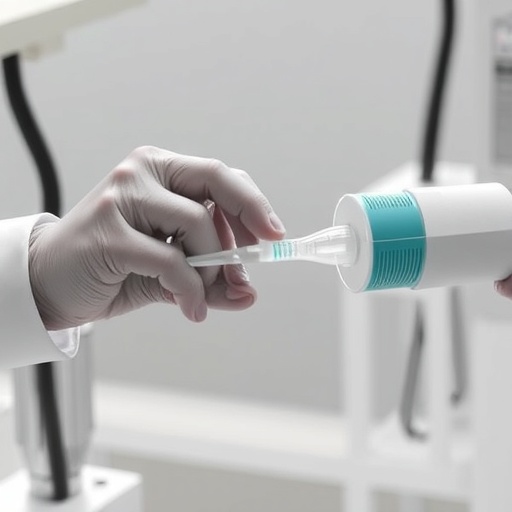
In a groundbreaking advancement poised to reshape perioperative and emergency medicine, OYE Therapeutics Inc., a clinical-stage biotechnology firm, has announced the initiation of dosing in its pioneering scientific bridging study for OYE-101. Situated within the innovative environment of the Purdue Technology Center at the Purdue Research Park of Northwest Indiana, OYE Therapeutics is spearheading efforts to accelerate patient recovery following general anesthesia and deep sedation through this novel intravenous caffeine formulation.
The promise of OYE-101 lies in its ability to mitigate one of the most persistent challenges in modern surgical care: delayed emergence from anesthesia. Every year, millions of patients worldwide undergo procedures necessitating general anesthesia or deep sedation. While these techniques are essential for pain management and procedural success, they frequently lead to extended recovery times characterized by residual sedation, respiratory complications, and increased hospital resource utilization. Despite advancements in anesthetic techniques, the absence of FDA-approved pharmacological agents actively facilitating the recovery phase underscores a significant therapeutic gap that OYE-101 aims to address.
Intravenous caffeine, the active component in OYE-101, is being explored due to its known stimulatory effects on the central nervous system. Caffeine’s pharmacodynamic properties include adenosine receptor antagonism, which translates to heightened neuronal activity and alertness. However, traditional caffeine administrations—primarily oral—lack the rapid onset and controlled dosing parameters necessary in an acute care setting. OYE Therapeutics seeks to harness caffeine’s benefits through an intravenous format, facilitating a more immediate and predictable recovery trajectory while maintaining stringent safety protocols.
CEO Brett Dines articulated the strategic intent behind advancing OYE-101 into clinical trials: “This program represents an important frontier in perioperative and acute-care medicine, aimed at generating robust human clinical data. Our scientific bridging study is meticulously designed to support a 505(b)(2) new drug application, potentially introducing a formulation that could significantly reduce anesthesia recovery times.” This regulatory pathway underscores OYE Therapeutics’ commitment to integrating comprehensive scientific evidence with regulatory rigor, expediting the potential for bringing this innovative therapy to market.
The science underlying anesthesia recovery is complex, involving multiple physiological systems and neural networks. Residual sedation is frequently linked to adenosine-mediated inhibition within the brain, leading to prolonged unconsciousness and compromised respiratory function. By antagonizing these adenosine receptors, caffeine can facilitate neuronal reactivation and respiratory stimulation, catalyzing a more rapid and safer emergence. Yet, translating these biochemical insights into clinically effective treatments had been elusive until now, in large part due to formulation challenges and safety concerns in vulnerable patient populations.
Epidemiological data emphasize the critical nature of this intervention. Prolonged sedation and delayed emergence not only impact individual patient outcomes but also burden healthcare systems by extending monitoring times, increasing risks of complications such as hypoventilation or aspiration, and necessitating costly intensive care stays. In this context, OYE-101’s development could redefine postoperative care standards by enabling clinicians to better manage recovery kinetics, optimize resource allocation, and ultimately improve patient throughput without compromising safety.
The investigational product’s advancement also highlights the dynamic landscape of biopharmaceutical innovation centered at academic-industry collaboration hubs such as the Purdue Research Park. OYE Therapeutics is emblematic of a new generation of biotech firms that leverage cutting-edge pharmaceutical sciences and translational research frameworks to bridge laboratory discoveries and bedside applications. The company’s ongoing work exemplifies how focused biotechnology innovation can directly respond to unmet clinical needs, shaping the future of acute-care medicine.
Beyond its immediate application, OYE-101’s novel approach opens avenues for further research into pharmacologic modulation of anesthesia recovery. Understanding the precise pharmacokinetic and pharmacodynamic parameters of intravenous caffeine in diverse surgical populations will be crucial for tailoring protocols and expanding indications. Moreover, the safety profile, especially in patients with comorbid respiratory or cardiovascular conditions, demands rigorous evaluation given caffeine’s systemic stimulatory effects.
OYE Therapeutics’ commitment to scientifically robust and ethically responsible development processes positions OYE-101 as a frontrunner in this therapeutic niche. The bridging study currently underway will generate vital human data, informing dosing regimens, efficacy markers, and safety endpoints required for FDA submissions. This data-driven approach exemplifies the translational research paradigm, where bedside challenges catalyze bench inquiries and, in turn, evidence-based clinical solutions.
Industry observers and clinical anesthesiologists alike anticipate that successful outcomes from OYE-101’s studies could herald a paradigm shift. The ability to pharmacologically expedite recovery post-anesthesia would not only enhance patient experiences but also potentially reduce postoperative complications such as hypoxia, airway obstruction, and cognitive dysfunction linked to prolonged sedation. In addition, streamlined recovery phases can mitigate hospital stay durations, positively impacting healthcare economics and capacity.
Nonetheless, challenges remain. The complexity of anesthesia emergence involves intertwined neurochemical, respiratory, and cardiovascular factors that vary among individuals based on genetic, procedural, and environmental variables. Thus, OYE-101 must demonstrate consistent efficacy and safety across heterogeneous patient populations. Furthermore, integrating this novel agent into existing anesthetic regimens without adverse drug interactions will necessitate careful clinical protocol development and practitioner education.
In conclusion, OYE Therapeutics is at the forefront of catalyzing transformative change in perioperative medicine through the development of OYE-101, a novel intravenous caffeine formulation. By systematically addressing the unmet need for faster and more predictable recovery from general anesthesia and deep sedation, this scientific bridging study represents a vital step toward introducing an innovative pharmacologic solution into clinical practice. With its foundation rooted in rigorous scientific methodology and supported by a visionary leadership team, OYE Therapeutics’ endeavor exemplifies the convergence of biotechnology innovation and patient-centered care excellence.
News Publication Date: Not specified.
Web References:
Cite Scienmag News
Ophelia Keating. (April 7, 2026). OYE Therapeutics Administers First Patient Dose in Pioneering 505(b)(2) Bridging Study. Scienmag. https://scienmag.com/oye-therapeutics-administers-first-patient-dose-in-pioneering-505b2-bridging-study/
Ophelia Keating. "OYE Therapeutics Administers First Patient Dose in Pioneering 505(b)(2) Bridging Study." Scienmag, 7 April 2026, https://scienmag.com/oye-therapeutics-administers-first-patient-dose-in-pioneering-505b2-bridging-study/. Accessed 4 September 2026.
Ophelia Keating. "OYE Therapeutics Administers First Patient Dose in Pioneering 505(b)(2) Bridging Study." Scienmag. April 7, 2026. https://scienmag.com/oye-therapeutics-administers-first-patient-dose-in-pioneering-505b2-bridging-study/


