


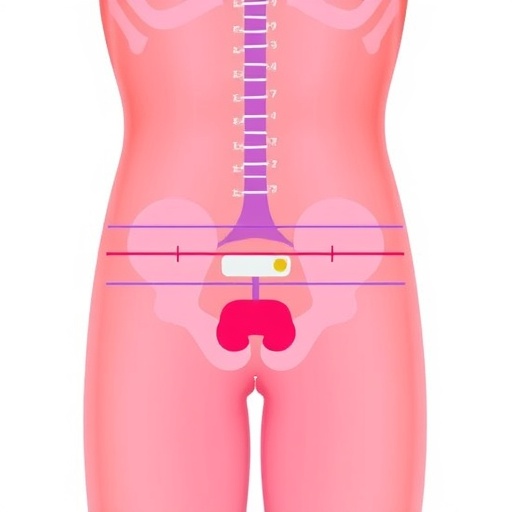
Neurogenic lower urinary tract dysfunction (NLUTD) stands as a significant clinical complication in men with spinal cord injury (SCI), a condition compounded by the natural ageing process. For elderly patients, the interplay between neurogenic bladder disturbances and age-related factors such as prostate enlargement presents a multifaceted challenge. This condition not only threatens quality of life but also poses substantial risks including a strikingly elevated incidence of urinary bladder cancer and complications from long-term catheter use. Understanding and managing NLUTD in this unique population demands a nuanced, integrative approach that accounts for the evolving physiological landscape driven by both spinal injury and ageing.
In men with SCI, the lower urinary tract is often affected by aberrant neurologic signaling, resulting in dysfunctions including neurogenic detrusor overactivity (NDO) and detrusor-sphincter dyssynergia (DSD). These pathophysiological disturbances disrupt the coordinated activity essential for normal voiding, leading to urinary retention, incontinence, and increased intravesical pressures. Over time, such dysfunction can culminate in upper urinary tract damage, renal impairment, and recurrent urinary tract infections—all of which severely impact long-term morbidity and mortality in this group. The situation is exacerbated by the presence of benign prostatic hyperplasia (BPH) in ageing men, which itself contributes to bladder outlet obstruction and complicates clinical management.
Adding another layer of complexity is the notable increase—estimated at 16 to 28 times—in the risk of developing bladder cancer among men with SCI. Chronic urinary stasis, recurrent infections, and catheter-related trauma may synergistically promote carcinogenesis within the bladder urothelium. Despite this raised oncologic risk, standard screening and surveillance protocols remain inadequately defined, underscoring an urgent need for tailored, evidence-based guidelines that address cancer prevention in this vulnerable cohort.
The management of lower urinary tract symptoms (LUTS) in elderly men with SCI is further complicated by the therapeutic challenges posed by catheterization methods. Clean intermittent catheterization (CIC) remains the gold standard, focusing on reducing infection risks and preserving upper tract function while maintaining patient autonomy. However, as patients age, functional decline—manifested through deteriorating hand dexterity, cognition, or comorbidities—often precipitates a gradual shift towards indwelling catheter use. Indwelling catheterization carries well-documented risks including increased rates of urinary tract infections, bladder stones, and urethral trauma, compelling clinicians to recalibrate treatment algorithms and incorporate vigilant monitoring strategies.
Surgical intervention adds yet another dimension to the management conundrum. Procedures commonly performed for BPH such as transurethral resection of the prostate (TURP) and holmium laser enucleation are frequently indicated to relieve outlet obstruction. Yet, in patients with spinal cord injury, these surgeries carry an augmented risk of severe complications, including episodes of autonomic dysreflexia—a potentially life-threatening hypertensive crisis triggered by noxious stimuli below the level of injury. This necessitates heightened perioperative preparedness and multidisciplinary collaboration to mitigate adverse outcomes.
Compounding these clinical challenges is the absence of comprehensive, age-stratified guidelines that integrate the unique needs of elderly men with SCI. Current protocols largely focus on general neurogenic bladder management without adequately addressing the compounded effects of ageing and prostate pathology. This void impairs clinicians’ abilities to deliver personalized care tailored to the complex risk profiles seen in this group, particularly in preserving renal function and enhancing life quality over extended periods.
To navigate this intricate landscape, a proactive, patient-centered framework is imperative—one that leverages advances in diagnostics and incorporates frailty assessments alongside sophisticated urodynamic tools. Such assessments can disentangle key divergences in the underlying pathophysiology, differentiating between bladder outlet obstruction from BPH and neurologic contributions like DSD. This distinction is crucial for guiding precise therapeutic choices and avoiding unnecessary or harmful interventions.
Moreover, managing NLUTD in ageing men with SCI requires the integration of personalized care pathways that adapt as patients evolve clinically. This longitudinal perspective emphasizes early identification of risk factors for renal deterioration and the timely implementation of interventions to avert irreversible damage. It also highlights the importance of educating patients and caregivers about the dynamic nature of their condition and the rationale for alterations in their management plan over time.
The emerging approach increasingly favors multi-disciplinary collaboration, involving urologists, rehabilitation specialists, oncologists, and geriatricians to holistically address the broad spectrum of needs faced by these patients. This model fosters coordinated decision-making and optimization of resource utilization, ensuring treatments align with overall health status and patient preferences. Importantly, it acknowledges that quality of life extends beyond symptomatic relief to encompass autonomy, dignity, and psychological well-being.
Recent advances in technology have provided novel diagnostic and therapeutic options that can enhance management precision. Innovations such as high-resolution urodynamics, advanced imaging modalities, and biomarker assays hold promise in better characterizing bladder dynamics and detecting early neoplastic changes. Concurrently, minimally invasive surgical techniques and novel pharmacologic agents may offer safer alternatives for symptom control in this high-risk population.
Looking ahead, addressing the significant evidence gaps regarding the interaction between ageing, SCI, and prostate-related pathology will be essential. Large-scale, longitudinal studies are urgently needed to elucidate the natural history of NLUTD in elderly men with spinal cord injury and to validate targeted interventions. Equally vital will be the development of robust clinical practice guidelines that holistically integrate these complex factors into routine care.
Ultimately, the challenge of managing neurogenic lower urinary tract dysfunction in ageing men with spinal cord injury exemplifies the intersection of neurology, urology, geriatrics, and oncology—a domain where precision medicine and empathetic care must unite. As the population of individuals living with SCI grows older, the impetus to advance personalized, lifelong urological strategies becomes ever more pressing. By embracing an integrated, multifaceted approach, clinicians can better preserve renal function, minimize complications, and enhance quality of life for this uniquely vulnerable group.
Cite Scienmag News
Beatrice Stafford. (April 2, 2026). Neurogenic Bladder Challenges in Aging Men with SCI. Scienmag. https://scienmag.com/neurogenic-bladder-challenges-in-aging-men-with-sci/
Beatrice Stafford. "Neurogenic Bladder Challenges in Aging Men with SCI." Scienmag, 2 April 2026, https://scienmag.com/neurogenic-bladder-challenges-in-aging-men-with-sci/. Accessed 9 September 2026.
Beatrice Stafford. "Neurogenic Bladder Challenges in Aging Men with SCI." Scienmag. April 2, 2026. https://scienmag.com/neurogenic-bladder-challenges-in-aging-men-with-sci/


