


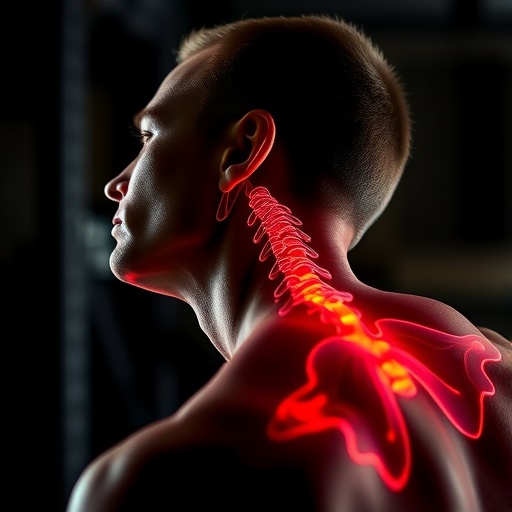
The neuromuscular impact of targeted neck training in aviation populations has garnered increasing scientific interest due to the crucial demands imposed on pilots and cadets in high-stress environments. A recent correction published in Scientific Reports highlights advanced insights into this domain, focusing on how diverse neck training methodologies influence the functional capabilities of aviation cadets’ cervical regions. This groundbreaking study unpacks the biomechanical and physiological underpinnings that characterize the neck’s adaptability to training, providing potential pathways toward injury prevention and enhanced operational performance in aviation settings.
Rigorous flight scenarios necessitate optimal neck stability and strength, as pilots routinely encounter rapid accelerative forces, head movements, and sustained postural demands. Such stresses make the neck a vulnerability point, with injury rates notably high among aviators. Understanding the effectiveness of various neck conditioning regimens is therefore paramount. The study by Luo, Zhao, and Jia investigates this arena by comparing the efficacy of different training protocols, each designed to target specific neuromuscular adaptations in the cervical region.
The corrected publication emphasizes how targeted neck exercises can significantly modulate muscle activation patterns, joint range of motion, and overall cervical spine functionality. By employing electromyographic analysis combined with biomechanical assessments, the researchers created a comprehensive profile of neck function before and after intervention among aviation cadets. This methodological approach underscores the dynamic interplay between muscular endurance, strength, and proprioceptive control critical for sustaining high-impact aviation duties.
One of the paramount revelations from the study is the differential response elicited by isometric versus isotonic training modalities within the cervical musculature. Isometric training, characterized by static muscle contractions against resistance, appears to enhance neuromuscular stability and joint positioning sense. On the other hand, isotonic exercises, which involve dynamic movement through a range of motion, showed improvements in functional strength and flexibility. The researchers highlight that combining these methods may yield synergistic benefits, optimizing both neck resilience and mobility.
The investigation further delves into how these adaptations translate into real-world functional improvements for aviation cadets. Enhanced neck strength contributes to better head control during high-G maneuvers, reducing the risk of strain injuries and enabling pilots to maintain situational awareness under operational stress. Moreover, improved cervical proprioception plays a crucial role in vestibular function, potentially mitigating dizziness and disorientation that can compromise flight safety.
Beyond functional metrics, the study addresses the morphological changes in cervical muscles induced by training. Advanced imaging techniques demonstrated hypertrophy in key neck stabilizers such as the sternocleidomastoid and splenius capitis following regimented training protocols. This anatomical adaptation supports increased load-bearing capacity and endurance, ensuring cervical structures can withstand repetitive strain without degenerative consequences.
The correction also draws attention to the psychological dimension of neck training. Enhanced physical conditioning in cadets was correlated with increased confidence and reduced anxiety related to potential injury during flight. The researchers posit that incorporating neck muscle training into standard aviation physical conditioning programs may therefore confer both physical and mental resilience, enhancing overall pilot readiness.
Importantly, this work situates neck training within the broader context of injury prevention strategies in aviation medicine. Traditional approaches have largely focused on helmet design and harness systems, but the current study shifts emphasis toward intrinsic anatomical conditioning. This paradigm shift could inspire policy updates in military and civilian aviation training curricula, emphasizing preemptive muscular reinforcement over reactive treatment.
The methodological rigor of the study is further strengthened by longitudinal follow-ups capturing sustained benefits of training interventions. The cadets maintained improved neck function several months post-training, indicating durable neuromuscular remodeling rather than transient conditioning effects. Such findings underscore the necessity of continual, structured neck conditioning regimens to maintain operational readiness in demanding aviator roles.
From a technological standpoint, the research paves the way for individualized training using wearable biofeedback sensors that can monitor muscle activation in real time, ensuring optimal exercise efficacy and injury risk mitigation. Integration of these technologies with virtual reality flight simulators could revolutionize pilot training by providing immersive, data-driven strength conditioning tailored to the unique stresses encountered during flight.
In addition, the study reveals potential cross-applications beyond aviation, particularly for populations engaged in sports, manual labor, or occupations prone to neck strain. The foundational principles elucidated here regarding neuromuscular adaptation and cervical conditioning may inform rehabilitative strategies across diverse disciplines, positioning neck training as a critical component of holistic physical health.
The correction note accompanying the article highlights the importance of precise experimental reporting and data accuracy, reassuring readers of the robustness of the updated conclusions. By rectifying minor discrepancies, the authors reinforce the scientific integrity vital for translating research findings into practical aviation health policies.
As aviation technology and operational complexity continue to evolve, equipping cadets and pilots with evidence-based physical conditioning offers a compelling avenue to safeguard health and enhance performance. This study’s contributions provide a scientific foundation that could catalyze future innovations in neck biomechanics, neuromuscular training protocols, and injury prevention paradigms within aerospace medicine.
Ultimately, heightened awareness and implementation of targeted neck training could reduce the incidence of debilitating musculoskeletal injuries, extend career longevity for aviators, and improve overall flight safety. This research embodies a crucial step forward in decoding the physiological intricacies of neck function, underscoring the necessity of multidisciplinary approaches combining biomechanics, neuroscience, and aviation medicine to optimize pilot health and operational efficiency.
The extensive data and nuanced analysis presented open new investigative pathways aimed at refining training techniques and exploring personalized approaches adapted to individual anatomical and physiological characteristics. The promising results from this study advocate for the integration of structured neck strengthening in comprehensive aviation fitness programs, emphasizing proactive health optimization in conjunction with technical flight skills development.
As future investigations build upon these insights, collaborative efforts involving biomechanists, aerospace physiologists, and clinical practitioners will likely yield innovative solutions tailored to the multifaceted demands faced by modern aviators. This integrative research paradigm will be instrumental in fostering safer, more resilient flight personnel capable of meeting the challenges of tomorrow’s skies.
Cite Scienmag News
Denise Maddox. (April 1, 2026). Author Corrects Study on Neck Training Effects. Scienmag. https://scienmag.com/author-corrects-study-on-neck-training-effects/
Denise Maddox. "Author Corrects Study on Neck Training Effects." Scienmag, 1 April 2026, https://scienmag.com/author-corrects-study-on-neck-training-effects/. Accessed 3 September 2026.
Denise Maddox. "Author Corrects Study on Neck Training Effects." Scienmag. April 1, 2026. https://scienmag.com/author-corrects-study-on-neck-training-effects/


