


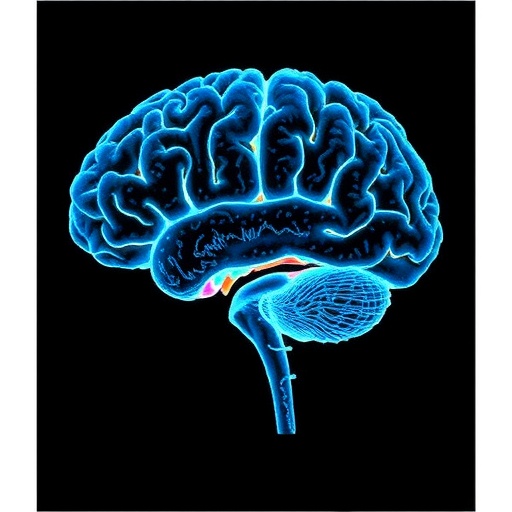
In a groundbreaking study that bridges human and animal neuroscience, researchers have unveiled intricate molecular landscapes that tie together alcohol use disorder (AUD) across species. Leveraging both bulk and single-cell transcriptomics, the investigation provides a nuanced understanding of the brain’s response to chronic alcohol exposure, shedding light on convergent biological pathways and cellular actors implicated in AUD. This convergence not only enhances the fidelity of mammalian models but also paves the way for therapeutic innovations targeting specific cellular processes.
The study, spearheaded by Huggett, Selveraj, McGeary, and their colleagues, makes a compelling case for the integrative power of transcriptome-wide analyses in unraveling the neurobiological complexity underlying addictive behaviors. Bulk transcriptomic data offer a bird’s-eye view of gene expression changes, capturing tissue-level alterations induced by AUD. Meanwhile, single-cell RNA sequencing dissects this heterogeneity further, pinpointing precise alterations within individual cell types, from neurons to glia, thereby revealing diverse molecular signatures associated with alcohol exposure at unprecedented resolution.
One of the fundamental revelations from this dual approach is the identification of overlapping gene networks and cellular mechanisms that manifest in both human subjects with AUD and established mammalian models. This cross-species similarity highlights conserved biological circuits, underscoring the translational validity of such models in studying the etiology and progression of alcohol addiction. Importantly, the elucidation of shared pathways adds robustness to preclinical findings and facilitates targeted exploration of candidate genes and cellular targets for intervention.
Among the key molecular processes disrupted in AUD, alterations in synaptic function and plasticity stand out. The study delineated transcriptional shifts affecting synaptic vesicle trafficking, neurotransmitter receptor composition, and signaling cascades critical for synaptic modulation. Given that synaptic plasticity is a cornerstone for learning, memory, and adaptive behavior, its dysregulation provides insight into how chronic alcohol remodels neural circuits, potentially reinforcing maladaptive addictive behaviors and cognitive deficits observed in AUD patients.
The investigation further illuminated the role of neuroimmune signaling in the context of alcohol use. Immune-related gene expression was notably perturbed across affected brain regions, implicating neuroinflammation as a contributing factor. Both microglia and astrocytes emerged as central players, with transcriptomic evidence suggesting their activation states shift in response to prolonged alcohol exposure. This neuroimmune crosstalk may facilitate neurodegenerative processes and exacerbate the neuropathological sequelae associated with alcoholism.
Crucially, the single-cell data unraveled cell-type-specific vulnerabilities and resilience mechanisms. Certain neuronal subpopulations, particularly within cortical and limbic structures, displayed distinct transcriptional trajectories linked to alcohol exposure, which were corroborated in rodent models. The convergence of single-cell signatures across species accentuates the heterogeneity of brain responses and underscores the necessity of precision-targeted interventions that accommodate this cellular diversity.
Astrocytes and oligodendrocytes, integral for metabolic support and myelination respectively, also exhibited notable transcriptomic alterations. These glial cells, often underappreciated in addiction research, showed dysregulated gene expression profiles associated with metabolic homeostasis and myelin integrity. Such findings implicate glial dysfunction in the pathophysiology of AUD, broadening the scope beyond neuronal-centric models and suggesting novel glia-focused therapeutic avenues.
The methodological sophistication of combining bulk and single-cell RNA-sequencing datasets allowed the authors to integrate temporal and spatial gene expression changes. This multi-dimensional perspective offers a comprehensive landscape of the molecular perturbations in AUD, surpassing the limitations of bulk-only or single-cell-only studies. The integrative analytics employed ensured robustness in identifying convergent biological signatures, reinforcing confidence in the translational applicability of the findings.
Beyond identifying molecular footprints, the research delved into the functional implications of these alterations. Pathway enrichment analyses revealed that synaptic transmission, inflammation-related cascades, and metabolic processes are intricately linked to AUD pathology. These pathways represent potential intervention points, particularly as some molecular players are pharmacologically targetable, reinvigorating drug discovery pipelines aimed at AUD treatment.
The paper also underscores the importance of mammalian models in dissecting complex neuropsychiatric disorders, reiterating that despite interspecies differences, there is a substantial overlap in the molecular disruptions evoked by alcohol. This supports their continued use in preclinical studies, validating their relevance in mimicking human-like neurobiological responses to chronic alcohol consumption and assisting in screening therapeutic candidates.
Importantly, the research highlights cellular heterogeneity within affected brain regions, indicating that not all neurons or glial cells are equally impacted by alcohol use. This nuanced understanding of cellular specificity may explain variability in AUD phenotypes, ranging from susceptibility to severity, and can inform personalized medicine approaches. Recognizing which cell types harbor pathologic changes is pivotal for developing cell-targeted treatments that could minimize side effects and enhance efficacy.
Furthermore, the integration of transcriptomic data with behavioral and clinical phenotypes, although not the core focus of this study, represents a fertile ground for future investigations. Bridging molecular profiles with AUD severity, withdrawal symptoms, and relapse risk could permit biomarker discovery and the tailoring of clinical interventions grounded in molecular pathology.
The study’s findings also carry implications for neurodevelopmental timelines, given that certain transcriptomic perturbations identified overlap with critical periods of brain maturation. This raises questions about how adolescent or early exposure to alcohol may imprint lasting molecular signatures, influencing vulnerability to AUD later in life. Understanding these developmental trajectories could invigorate prevention efforts targeting susceptible populations.
In summary, this comprehensive transcriptomic investigation provides an invaluable resource for the neuroscience community, converging human and animal data to pinpoint key biological processes and cellular players in AUD. Its insights refine our understanding of addiction biology, emphasizing the complexity and heterogeneity of molecular changes and spotlighting promising avenues for novel, mechanistically informed therapies. As substance use disorders continue to pose global health challenges, such integrative research efforts illuminate the path towards more effective interventions and, ultimately, better clinical outcomes.
Cite Scienmag News
Cassandra Pierce. (March 30, 2026). Brain Transcriptomics Reveal Shared Alcohol Use Mechanisms. Scienmag. https://scienmag.com/brain-transcriptomics-reveal-shared-alcohol-use-mechanisms/
Cassandra Pierce. "Brain Transcriptomics Reveal Shared Alcohol Use Mechanisms." Scienmag, 30 March 2026, https://scienmag.com/brain-transcriptomics-reveal-shared-alcohol-use-mechanisms/. Accessed 4 September 2026.
Cassandra Pierce. "Brain Transcriptomics Reveal Shared Alcohol Use Mechanisms." Scienmag. March 30, 2026. https://scienmag.com/brain-transcriptomics-reveal-shared-alcohol-use-mechanisms/


