


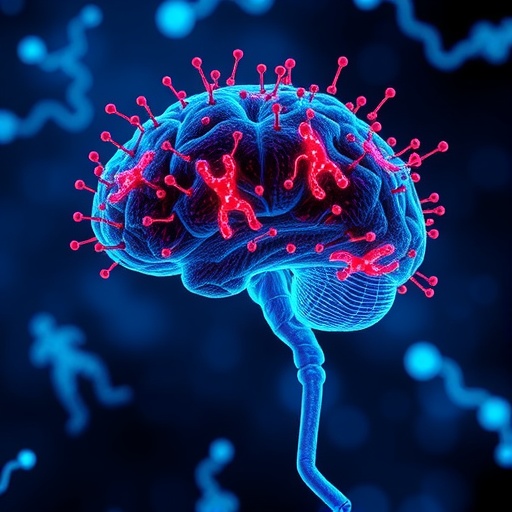
Neuroinflammation stands at the forefront of neuroscientific research, particularly concerning its role in neurodegenerative diseases and chronic infections. An emerging area of intense study is the intersection of neuroinflammation and Human Immunodeficiency Virus Type 1 (HIV-1) infection within the central nervous system (CNS). The latest insights from Zhao, Bu, Wu, and colleagues provide an in-depth exploration of how HIV-1 related factors influence microglial activation—a cornerstone of the CNS immune response with profound implications for patients living with NeuroHIV.
HIV-1 infection of the brain is characterized by a persistent inflammatory state perpetuated by the resident immune cells, predominantly microglia. These cells, akin to macrophages residing in the CNS, undertake vital roles in surveilling the neural microenvironment, facilitating repair, and defending against pathogens. However, the delicate balance of their activation can tip towards a chronic, deleterious inflammatory response under the influence of HIV-1 viral proteins and associated immune modulators. This dysregulated activation leads to neuroinflammation, a condition implicated in the cognitive impairments grouped under HIV-associated neurocognitive disorders (HAND).
Microglia possess a remarkable capacity to respond to viral elements by adopting diverse activation states. Zhao et al. emphasize the intricate molecular dialogue between HIV-1 components such as gp120, Tat, and Nef proteins and microglial receptors, particularly those linked to toll-like receptors (TLRs) and the nucleotide-binding oligomerization domain (NOD) family. This interaction precipitates signaling cascades culminating in the production of pro-inflammatory cytokines, chemokines, and reactive oxygen species. The sustained presence of these mediators not only compromises neuronal integrity but also perpetuates microglial activation, creating a feedback loop detrimental to CNS homeostasis.
Crucially, the study elucidates the differential roles of distinct viral proteins in manipulating microglial activity. For example, the Tat protein, beyond its canonical role in viral transcription, is shown to penetrate the blood-brain barrier, directly interacting with microglia and astrocytes to alter their phenotype. This interaction fosters a milieu conducive to neurotoxicity, enhancing glutamate excitotoxicity and oxidative stress. Conversely, gp120 plays a pivotal role in engaging chemokine receptors such as CCR5 and CXCR4 on microglial surfaces, orchestrating inflammatory signaling that disrupts neural circuits.
The authors delve into the downstream molecular mechanisms governing microglial activation, highlighting the involvement of nuclear factor kappa-light-chain-enhancer of activated B cells (NF-κB), mitogen-activated protein kinases (MAPKs), and inflammasome pathways. Activation of NF-κB in particular serves as a critical convergent point for transcriptional regulation of inflammatory genes, thereby modulating the intensity and duration of the immune response. Targeting these signaling nodes presents a promising avenue for therapeutic intervention aimed at mitigating neuroinflammation without compromising systemic immunity.
Another significant aspect addressed is the dualistic nature of microglial activation in NeuroHIV. While acute activation serves as a protective response against viral invasion, chronic activation fosters neurodegeneration and brain dysfunction. This conceptual framework underscores the complexity of microglial biology within the context of HIV infection, where timing, intensity, and microenvironmental cues dictate functional outcomes. Therapeutic strategies must therefore strive for precision modulation, aiming to quell detrimental inflammation while preserving essential immune functions.
In parallel, the research draws attention to the crosstalk between microglia and other CNS cells, including astrocytes and neurons. HIV-1 associated neuroinflammation is not a phenomenon isolated to microglia but involves a concerted interplay among multiple cellular entities. Astrocytes, for instance, respond to viral proteins by adopting reactive states that further amplify inflammatory cascades. Neuronal damage and synaptic loss, often observed in HAND, arise in part due to the toxic secretome of activated glia. Understanding this cellular symphony is vital for unraveling the full spectrum of neuropathological changes in NeuroHIV.
Importantly, Zhao et al. also highlight the variability brought about by host genetic factors and viral diversity in modulating microglial responses. Polymorphisms in genes regulating innate immunity and inflammation can influence susceptibility to HAND and severity of neuroinflammation. Additionally, clade-specific differences in HIV-1 strains can lead to divergent neurovirulence and microglial activation profiles. These insights pave the way for personalized medicine approaches tailored to individual viral and host factors.
The integration of state-of-the-art technologies such as single-cell RNA sequencing and advanced imaging techniques has propelled the understanding of microglial heterogeneity during HIV infection. The study leverages these methodologies to dissect microglial subpopulations exhibiting distinct transcriptional signatures correlating with either neuroprotection or neurotoxicity. Such granular resolution offers unprecedented opportunities to identify selective biomarkers and targets for therapeutic development in NeuroHIV.
In light of these findings, the therapeutic landscape for NeuroHIV demands innovative interventions aimed at modulating microglial activity. Current antiretroviral therapies (ART) successfully suppress systemic viral replication but have limited penetration across the blood-brain barrier, often failing to fully resolve CNS viral reservoirs and associated inflammation. Adjunctive therapies targeting microglial signaling pathways hold promise in preventing or ameliorating HAND, thus improving quality of life for people living with HIV.
Zhao and colleagues propose several candidate molecules and biological pathways for pharmacological targeting, including inhibitors of NF-κB activation and antagonists of chemokine receptors implicated in microglial recruitment and activation. They also discuss the potential of immunomodulatory agents that recalibrate the microglial phenotype from a pro-inflammatory to a reparative state, minimizing collateral neuronal damage. The therapeutic potential extends beyond symptomatic relief, aiming for the attenuation of underlying neuroinflammatory processes.
Moreover, the study underscores the necessity of animal models that faithfully recapitulate human NeuroHIV pathogenesis for preclinical evaluation of novel treatments. Humanized mouse models and non-human primates offer valuable platforms to test the efficacy and safety of microglia-targeted therapies, as well as to understand the temporal dynamics of neuroinflammation during HIV infection and ART treatment.
In conclusion, this comprehensive investigation into the role of HIV-1 related factors in microglial activation enriches the understanding of NeuroHIV neuropathology. By delineating the molecular and cellular underpinnings of neuroinflammation, Zhao and team illuminate crucial pathways that may be harnessed for therapeutic innovation. The findings bear profound implications, not only for alleviating neurological complications in HIV but also for broader applications in neurovirology and neuroimmunology.
These advances resonate deeply in the context of the global HIV epidemic, where millions of individuals confront the dual challenges of viral persistence and neurological sequelae. Enhanced comprehension of microglial biology amid HIV infection offers renewed hope for developing targeted treatments that preserve cognitive health and improve overall neurological outcomes in this vulnerable population. Hence, this work stands as a pivotal contribution to a rapidly evolving domain of neuroscientific and infectious disease research.
Cite Scienmag News
Kristina Jarvis. (March 21, 2026). NeuroHIV: HIV-1 Factors Fuel Microglial Activation. Scienmag. https://scienmag.com/neurohiv-hiv-1-factors-fuel-microglial-activation/
Kristina Jarvis. "NeuroHIV: HIV-1 Factors Fuel Microglial Activation." Scienmag, 21 March 2026, https://scienmag.com/neurohiv-hiv-1-factors-fuel-microglial-activation/. Accessed 3 September 2026.
Kristina Jarvis. "NeuroHIV: HIV-1 Factors Fuel Microglial Activation." Scienmag. March 21, 2026. https://scienmag.com/neurohiv-hiv-1-factors-fuel-microglial-activation/


