


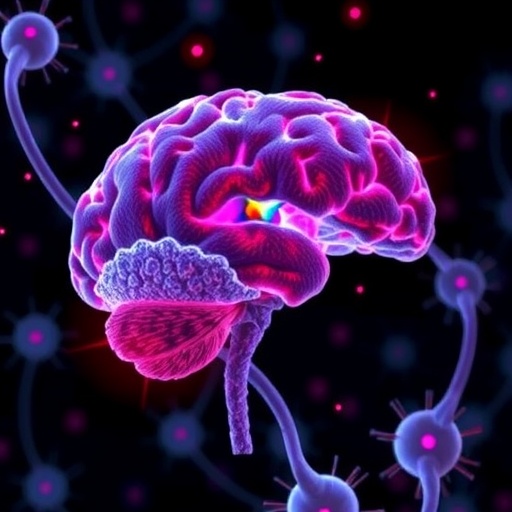
In a groundbreaking study published in the journal Science, researchers at the Spanish National Cancer Research Centre (CNIO) have unveiled an unexpected nexus between brain immune cells and sexual maturation, reshaping our understanding of the neuroendocrine regulation underlying puberty. This pioneering work, spearheaded by Eva González-Suárez and Alejandro Collado Solé, broadens the classical concept of the hypothalamic-pituitary-gonadal (HPG) axis to include microglia, the brain’s resident immune cells, as active modulators of reproductive function via the RANK signaling pathway.
The initiation of puberty is orchestrated by a complex hormonal dialogue that begins in the hypothalamus, where gonadotropin-releasing hormone (GnRH) neurons release pulses that stimulate the pituitary gland to secrete gonadotropins. These hormones subsequently trigger the maturation of the gonads—ovaries in females and testes in males—culminating in the development of reproductive capability. Historically, the focus has been on neuronal networks and endocrine glands regulating this axis, but new evidence now points to microglia as pivotal players modulating the activity of GnRH neurons.
Microglia, known traditionally for their role in immune defense and maintenance of neural homeostasis, have emerged as regulators in this neuroendocrine context. This study reveals that microglia express the Receptor Activator of Nuclear Factor κ B (RANK), a cytokine receptor protein previously appreciated for its roles in mammary gland development and bone remodeling. The researchers established that RANK signaling within microglia is essential for the proper functioning of GnRH neurons and, by extension, the reproductive axis.
Experimental manipulation in animal models demonstrated that silencing RANK expression in microglia precipitates a profound dysregulation of reproductive physiology. Juvenile animals lacking RANK exhibited disrupted sexual maturation characterized by hypogonadism—a clinical state marked by diminished sex hormone production and impaired gonadal function. Conversely, adult animals in which microglial RANK was ablated became infertile rapidly, underscoring this pathway’s necessity for maintaining fertility beyond developmental stages.
The mechanistic insights derived from this work suggest that RANK-mediated microglial signaling influences GnRH neuron excitability and hormone release dynamics, thereby modulating the reproductive endocrine cascade. This form of neuroimmune crosstalk introduces an additional layer of regulatory complexity, highlighting the immune system as an integral component of neuroendocrine control networks.
Extending beyond animal models, the study explored human genetic correlates by analyzing individuals affected by congenital hypogonadotropic hypogonadism (CHH), a rare syndrome marked by delayed or absent puberty and infertility due to disruptions in GnRH neuronal function. Remarkably, mutations in the gene encoding RANK were identified in some CHH patients, positioning RANK as a novel candidate gene implicated in human reproductive disorders.
The implications of these findings are manifold. First, they open new diagnostic avenues by endorsing RANK as a molecular target for genetic screening in cases of idiopathic hypogonadism. Second, they offer fresh therapeutic prospects, as modulation of RANK signaling could potentially restore reproductive function in affected individuals. Furthermore, this discovery compels a reevaluation of microglial roles in other hypothalamic axes, such as those governing appetite and stress, potentially unveiling broader neuroimmune regulatory paradigms.
The success of this research stems from extensive interdisciplinary collaboration, integrating expertise spanning oncology, neurobiology, endocrinology, and genetics. Eva González-Suárez reflects on how the initial question—centered on the role of RANK in mammary gland development—evolved into a comprehensive investigation into neuroimmune interactions fundamental to fertility. Contributions from Manuel Tena-Sempere at the University of Córdoba, Vincent Prevot at Inserm in France, Rafael Fernández Chacón at the Biomedicine Institute in Seville, and Nelly Pitteleoud at the Centre Hospitalier Universitaire Vaudois in Switzerland, exemplify the collaborative spirit essential in tackling complex biological questions.
Technically, the research employed a combination of genetic knockout strategies, hormonal profiling, neuroanatomical analyses, and functional assays to elucidate the role of RANK-expressing microglia. These methodological approaches allowed the team to pinpoint the temporal and spatial effects of RANK signaling disruption on neuroendocrine circuits regulating puberty and fertility. Importantly, careful phenotyping of animal models facilitated the correlation of molecular findings with physiological outcomes, strengthening the causal inferences drawn.
This work also touches upon fundamental questions regarding the interplay between the immune and nervous systems in maintaining homeostasis. The recognition of immune cells as integral regulators of reproductive neurobiology resonates with a growing body of literature emphasizing the bidirectional communication between these systems, which may underlie numerous physiological and pathological processes.
In sum, the CNIO-led study thrusts microglial RANK signaling into the spotlight as a critical determinant of puberty onset and fertility maintenance, enriching the canonical model of the hypothalamic-pituitary-gonadal axis with a neuroimmune dimension. The elucidation of this pathway not only enhances our comprehension of reproductive biology but also paves the way for novel clinical interventions addressing infertility and hypogonadotropic syndromes.
News Publication Date: 12-Mar-2026
Web References: http://dx.doi.org/10.1126/science.aeb6999
Cite Scienmag News
Cassandra Pierce. (March 12, 2026). CNIO Study Reveals Connection Between Brain Immune Cells and Fertility. Scienmag. https://scienmag.com/cnio-study-reveals-connection-between-brain-immune-cells-and-fertility/
Cassandra Pierce. "CNIO Study Reveals Connection Between Brain Immune Cells and Fertility." Scienmag, 12 March 2026, https://scienmag.com/cnio-study-reveals-connection-between-brain-immune-cells-and-fertility/. Accessed 4 September 2026.
Cassandra Pierce. "CNIO Study Reveals Connection Between Brain Immune Cells and Fertility." Scienmag. March 12, 2026. https://scienmag.com/cnio-study-reveals-connection-between-brain-immune-cells-and-fertility/


