


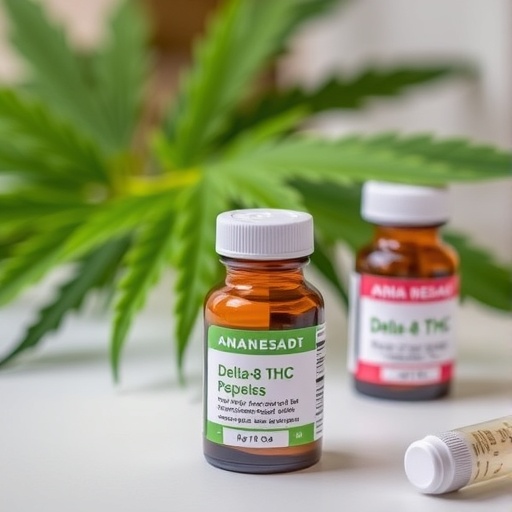
In recent years, delta-8 tetrahydrocannabinol (THC) products have surged in popularity across the United States, infiltrating the market through a variety of forms such as gummies, brownies, vape cartridges, pre-rolls, and tinctures. These products are often marketed aggressively as “legal” cannabis alternatives, despite the complex and ambiguous regulatory landscape that surrounds them. Of particular concern is their packaging, which frequently features vibrant, youth-oriented designs with minimal and inconsistent cannabinoid-content labeling and scant health warnings. This marketing strategy, coupled with an absence of standardized regulatory oversight, poses significant challenges for consumer safety, according to a recent observational study published in the Journal of Studies on Alcohol and Drugs.
Delta-8 THC is a cannabinoid closely related to the more well-known delta-9 THC, the primary psychoactive compound in cannabis. While naturally occurring in cannabis plants only in trace amounts, delta-8 THC can be synthesized from hemp-derived cannabidiol (CBD), whose production was federally legalized under the 2018 Farm Bill. This legislative act redefined hemp as cannabis plants and derivatives containing below 0.3% delta-9 THC, inadvertently creating a legal gray area exploited by delta-8 producers. The resultant proliferation of delta-8 products across gas stations, online vendors, head shops, and specialty retailers operates in a largely unregulated domain that predicates the urgent need for scrutiny, safety measures, and clearer communication to consumers.
Scientifically, delta-8 THC is structurally similar to delta-9 THC, differing only by the placement of a double bond in the molecular chain, yet this slight variance impacts its potency and psychoactive effects. Delta-8 THC is generally considered to have milder intoxicating properties compared to delta-9 THC, but it remains psychoactive, with potential implications on cognition, motor skills, and perception. These pharmacological nuances make precise dosing and labeling crucial, especially since users may be unaware that delta-8 products carry intoxicating effects akin to traditional cannabis products.
The study, led by Dr. Meagan Robichaud from Rutgers University, analyzed 140 delta-8 THC product packages submitted by users participating in the International Cannabis Policy Study. This research effort aimed to characterize how these products are marketed and to assess the clarity and accuracy of the information provided to consumers. Examination of the packaging revealed frequent inconsistencies in the declaration of cannabinoid strength, with vape products often listing only the milligram content of delta-8 THC without specifying total product weight or concentration, thereby obfuscating consumers’ ability to gauge dosage levels properly.
Notably, many edible delta-8 products featured extraordinarily high THC potency claims, frequently exceeding 25 milligrams per serving. To put this in context, regulatory limits for delta-9 THC edibles in legalized markets generally cap serving sizes at 10 milligrams, underscoring a potential risk of overconsumption and subsequent adverse effects. The observation that some products contained multiple servings packaged as a single unit poses additional risks, as consumers may inadvertently ingest quantities far surpassing intended doses, heightening the risk of intoxication and associated negative outcomes.
Packaging design further compounds concerns by appealing heavily to younger demographics. Bright colors, playful fonts, fruity or sweet flavor descriptors, and references to party culture dominate marketing visuals. These strategies blur the line between recreational appeal and consumer safety messaging. Moreover, many packages use health-conscious buzzwords such as “organic,” “natural,” and “vegan,” potentially leading consumers to underestimate the risks or overestimate the health benefits of these psychoactive substances.
Given the decentralized and insufficiently regulated marketplace, delta-8 THC products evade many of the safety measures applied to licensed medical and recreational cannabis. For example, regulated cannabis markets often mandate stringent testing, accurate labeling, child-resistant packaging, and warnings about health risks—standards that delta-8 products largely bypass. This regulatory evasion creates a public health challenge, as consumers may encounter wildly varying product quality, potency, and safety assurances.
The pharmacokinetics and pharmacodynamics of delta-8 THC remain underexplored relative to delta-9 THC, further complicating risk assessment. Given its intoxicating properties, unregulated delta-8 use carries potential adverse effects including cognitive impairment, anxiety, and increased accidental injuries, especially among vulnerable populations such as youth or those with preexisting mental health conditions. Lack of standardized warnings on packaging reduces consumer awareness of these risks, potentially leading to misuse.
The study’s findings underscore the imperative for harmonized regulations that encompass delta-8 THC products alongside traditional cannabis derivatives. Regulatory clarity would not only help protect consumers by ensuring that product potency, dosing information, and health warnings are clearly and consistently communicated but also enable law enforcement and health agencies to more effectively oversee the market. Such oversight could mitigate youth access and reduce inadvertent overconsumption.
Consumer education plays a pivotal role alongside regulatory approaches. Public health campaigns must evolve to address the distinctions and parallels between delta-8 and delta-9 THC to dispel misconceptions about legality, safety, and potency. Understanding the scientific basis behind delta-8’s effects and the potential risks presented by inconsistent labeling can empower consumers to make informed decisions and recognize red flags associated with unscrupulous marketing.
In the backdrop of rapid market expansion, the delta-8 THC phenomenon represents broader challenges at the intersection of cannabis policy, public health, and consumer advocacy. It highlights how legislative frameworks, driven by attempts to legalize and regulate hemp, can unintentionally catalyze novel product segments that fall outside traditional regulatory guardrails. As cannabis markets continue to mature, adaptive regulatory strategies will be essential to close loopholes and integrate emerging cannabinoids into comprehensive safety frameworks.
Ultimately, delta-8 THC product packaging serves as a crucial communication vehicle that, when poorly executed, misrepresents product characteristics and obscures health considerations. This study from Rutgers and the University of Waterloo stresses the urgency for transparent, science-driven guidelines governing cannabinoid-containing products. Protecting consumers—especially young and inexperienced users—from deceptive marketing and unsafe dosage practices demands coordinated regulatory and educational efforts to foster a safer and more informed marketplace.
Cite Scienmag News
Ophelia Keating. (March 12, 2026). JSAD Study Reveals Labeling Inconsistencies and Elevated Dosages in Delta-8 THC Products. Scienmag. https://scienmag.com/jsad-study-reveals-labeling-inconsistencies-and-elevated-dosages-in-delta-8-thc-products/
Ophelia Keating. "JSAD Study Reveals Labeling Inconsistencies and Elevated Dosages in Delta-8 THC Products." Scienmag, 12 March 2026, https://scienmag.com/jsad-study-reveals-labeling-inconsistencies-and-elevated-dosages-in-delta-8-thc-products/. Accessed 4 September 2026.
Ophelia Keating. "JSAD Study Reveals Labeling Inconsistencies and Elevated Dosages in Delta-8 THC Products." Scienmag. March 12, 2026. https://scienmag.com/jsad-study-reveals-labeling-inconsistencies-and-elevated-dosages-in-delta-8-thc-products/


