

A groundbreaking preclinical study has introduced a promising paradigm in the fight against triple-negative breast cancer (TNBC), a notoriously aggressive and therapeutically elusive subtype of breast malignancy. Recent research led by Dr. Gabriel Duda and his team, now at Houston Methodist Research Institute, suggests that integrating chimeric antigen receptor (CAR) T-cell therapy with conventional treatments could revolutionize post-surgical cancer management and potentially inhibit tumor recurrence—a major hurdle in current oncologic practice.
CAR T-cell therapy, a revolutionary immunotherapeutic approach, has demonstrated remarkable success in hematological cancers by genetically reprogramming patients’ T cells to identify and eradicate malignant cells. However, translating this success to solid tumors, such as breast cancer, has been fraught with complexity due to the tumor microenvironment’s suppressive nature and the heterogeneity of cancerous lesions. Dr. Duda’s study, recently published in Cancer Letters, meticulously explores how CAR T-cells may be harnessed in combination with radiotherapy to overcome these formidable barriers intrinsic to solid tumors like TNBC.
The research highlights that the therapeutic efficacy of CAR T-cells is contingent upon a critically low residual cancer burden, especially in metastatic sites. This finding underscores a pivotal timing strategy where administering CAR T-cell therapy shortly after primary tumor resection or radiation could be instrumental in targeting microscopic disseminated disease not detectable through conventional imaging—thereby minimizing relapse rates. This temporal therapeutic window represents a significant advancement in tailoring immunotherapy to the biological behavior of TNBC.
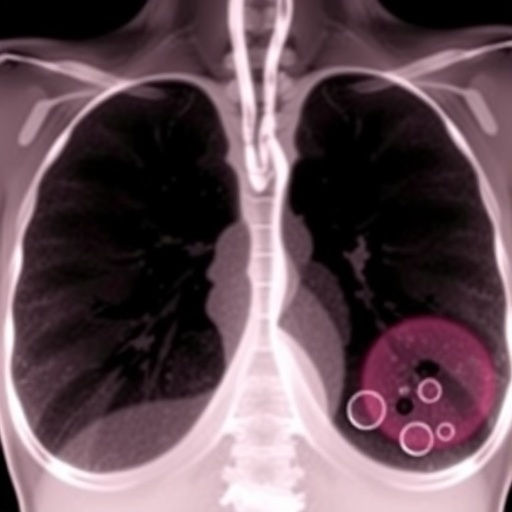
In extensive in vivo experiments employing sophisticated murine models, the investigators evaluated the synergistic effects of localized radiation and CAR T-cell infusion. Radiation was found to induce immunogenic modulation of tumor cells, increasing their susceptibility to CAR T-cell mediated cytotoxicity. This combinatorial approach not only decelerated primary tumor progression but critically inhibited metastatic spread to vital organs such as the lungs and liver—a leading cause of mortality in breast cancer patients.
Further molecular analysis revealed that radiotherapy polarizes the tumor microenvironment, altering cytokine profiles and expression of immune checkpoint molecules, thereby partially reversing immune evasion mechanisms. Consequently, CAR T-cells function more effectively post-radiation, especially against metastatic lesions previously refractory to other forms of immunotherapy. These insights provide a mechanistic rationale for integrating CAR T cells with radiotherapy in solid tumor contexts, a strategy previously considered challenging.
One of the fundamental challenges in treating TNBC lies in its heterogeneity and propensity for early dissemination, often leading to micrometastases that evade detection and later precipitate relapse. The study’s demonstration that CAR T-cell therapies are most potent when administered in a minimal residual disease setting lends support to adjuvant immunotherapeutic protocols—a potential paradigm shift away from treatment of bulky, established tumors toward preemptive, precise immune interventions.
The investigators also underscore the importance of antigen specificity in the design of CAR T-cell constructs tailored for breast cancer. Unlike hematological malignancies where target antigens are relatively uniform, TNBC exhibits diverse antigenic profiles. By tailoring CAR T-cells to recognize antigens upregulated following radiation, the therapy gains specificity, minimizing off-target effects and enhancing the therapeutic index—an essential consideration for clinical translation.
While the study’s findings are derived from preclinical models, their implications for future clinical trial design are profound. The data advocates for strategically timed, multimodal therapeutic regimens combining surgery, radiotherapy, and immunotherapy to harness synergistic mechanisms for durable remission. These insights pave the way for carefully engineered human trials, which could culminate in improved survival outcomes for patients with aggressive breast cancers that have historically been resistant to treatment.
Moreover, this research addresses a critical unmet need in oncology: the effective targeting of metastatic disease. By demonstrating that targeted radiotherapy can “prime” distant metastatic sites for CAR T-cell mediated eradication, the study provides a framework for overcoming immune resistance and achieving systemic disease control.
Dr. Duda and his collaborators executed this comprehensive investigation during their tenure at Massachusetts General Hospital, involving a multidisciplinary team including immunologists, oncologists, and molecular biologists. The study’s success owes much to this collaborative environment, which integrated cutting-edge cancer biology with translational immunotherapy advancements.
The study was financially supported by the National Institutes of Health under grant R03CA256764, enabling the team to perform rigorous experimentation and data analysis. Dr. Duda’s role as a Katz Investigator at Houston Methodist Research Institute signifies his continued commitment to advancing tumor immunology and crafting innovative therapeutic strategies to combat refractory cancers.
Overall, this research delineates a feasible and scientifically robust blueprint for enhancing CAR T-cell therapy’s reach into the realm of solid tumors, particularly difficult-to-treat malignancies like triple-negative breast cancer. By elucidating optimal timing, combination strategies, and mechanistic underpinnings, it sets the stage for a new wave of immuno-oncological innovations, potentially reshaping the clinical landscape for millions of patients worldwide.
Subject of Research: Triple-Negative Breast Cancer; CAR T-cell Therapy; Radiation Therapy; Immunotherapy in Solid Tumors
Article Title: Enhancing CAR T-cell Therapy Efficacy in Triple-Negative Breast Cancer Through Combination with Radiotherapy
News Publication Date: Not provided
Web References: Link to study on ClinicalKey
References: Duda et al., Cancer Letters, NIH grant R03CA256764
Keywords: Triple-negative breast cancer, CAR T-cell therapy, Radiation therapy, Immunotherapy, Solid tumors, Tumor microenvironment, Metastasis, Cancer recurrence, Immunogenic modulation


