


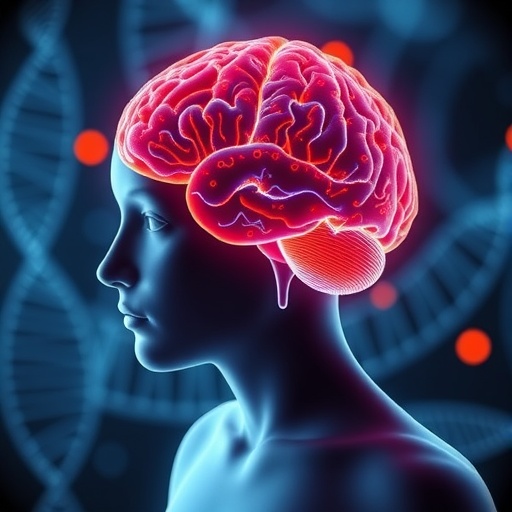
In a groundbreaking new study published in Nature Mental Health, researchers have uncovered compelling evidence linking genetic predispositions to inflammation with alterations in adolescent brain development, specifically cortical thinning, and an increased risk of developing psychopathological disorders. This intricate interplay between genetics, neuroinflammation, and mental health promises to reshape our understanding of adolescent neurodevelopment and the molecular underpinnings of psychiatric vulnerability. The findings are poised to stir significant discussions in neuropsychiatry and developmental neuroscience, shedding light on how biological processes influence mental health outcomes during a critical developmental window.
The study capitalizes on large-scale genetic data and neuroimaging techniques to unravel how inherited inflammatory tendencies can impact cortical architecture during adolescence. Cortical thinning, a normative part of brain maturation characterized by the reduction in thickness of the cerebral cortex, is known to reflect synaptic pruning and neural circuit refinement. However, excessive or aberrant thinning has been implicated in various psychiatric illnesses. By integrating polygenic risk scores for inflammatory traits with high-resolution brain imaging, the researchers identified a robust association suggesting that genetic liability toward systemic inflammation accentuates cortical thinning beyond typical developmental trajectories.
Adolescence is a vital period marked by profound cognitive, emotional, and neural maturation. The dynamic remodeling of brain structure, including changes in gray matter volume and cortical thickness, coincides with evolving behavioral patterns and emergence of mental health symptoms. The current investigation delved deep into this formative window, pinpointing the genetic components that fuel inflammatory processes as influential factors in neural development anomalies. Such anomalies may predispose individuals to mood disorders, anxiety, and psychosis, offering a biological link between peripheral immune activity and central nervous system vulnerability.
Technically, the research employed advanced genome-wide association analyses to derive polygenic scores indicative of inflammatory biomarker expression. Simultaneously, magnetic resonance imaging (MRI) scans allowed precise measurement of cortical thickness across multiple brain regions implicated in emotion regulation and executive function. The convergence of genetic and imaging data revealed that adolescents with higher inflammatory genetic burden exhibited disproportionately pronounced thinning in prefrontal and temporal cortices. These cortical areas are critical for high-order cognitive functions and are often disrupted in psychiatric conditions.
A noteworthy aspect of the study was its comprehensive characterization of inflammation-related genetic variants. The researchers harnessed data from inflammatory cytokine gene clusters and immune signaling pathways, calculating cumulative genetic risk profiles that capture subtle but meaningful differences in immune system reactivity. This genetic lens provided a mechanistic foundation for understanding how systemic inflammation-related genes could modulate neurodevelopmental processes in the brain’s cortical layers, emphasizing the bidirectional communication between peripheral inflammation and central nervous system health.
From a neurobiological perspective, microglial cells, the brain’s resident immune cells, may play a pivotal role in mediating the observed associations. Genetic liability to heightened inflammation could prime microglia to adopt a more reactive phenotype during critical maturation periods, influencing synaptic pruning and neuronal remodeling. Dysregulated microglial activity has been previously linked to aberrant cortical thinning and neuropsychiatric disorders. The study’s findings thus provide genetic underpinnings for how neuroimmune interactions can shape brain circuitry during adolescence, potentially modulating susceptibility to psychopathology.
In addition to demonstrating structural brain changes, the study also established clear behavioral and clinical correlations. Adolescents genetically predisposed to inflammation were more likely to exhibit higher scores on standardized measures of psychopathology, including anxiety, depression, and early psychotic-like experiences. This phenotypic expression reinforces the concept that genetic inflammation risk factors do not operate in isolation but manifest through complex neurobiological pathways that ultimately affect mental health outcomes. These associations underscore the importance of considering immune-genetic profiles as part of psychiatric risk assessment in youth.
Importantly, the researchers highlight the developmental specificity of these effects. While inflammation has been long suspected as a therapeutic target in adult psychiatric disorders, this work suggests that its role during adolescence is uniquely critical. The temporal alignment of inflammation-related genetic risk with the sensitive period of cortical remodeling may create a vulnerability window where the brain is particularly susceptible to immune-mediated insults. This finding invites a reevaluation of preventative strategies and early interventions that could modulate immune function to protect neurodevelopmental integrity.
The study also opens new avenues for biomarker discovery and precision psychiatry. By integrating polygenic risk scores with neuroimaging phenotypes, clinicians could eventually predict individual trajectories of brain development and psychopathology risk with greater accuracy. This integrative approach may facilitate personalized therapeutic approaches that target inflammatory pathways, paving the way for novel treatments tailored to the neuroimmune profile of adolescent patients. The potential to intervene before clinical symptoms fully manifest could revolutionize mental health care paradigms.
Moreover, these results emphasize the interconnectedness of systemic health and brain function. Chronic low-grade inflammation, often related to lifestyle factors such as diet, stress, and environmental exposures, might interact with genetic background to exacerbate adverse neurodevelopmental outcomes. Future research exploring gene-environment interactions will be crucial to fully understand how external inflammatory triggers compound inherited risks. This holistic perspective may inform public health policies aimed at reducing inflammation-related burdens during sensitive developmental phases.
On a methodological front, the study’s success depended heavily on the use of sophisticated computational approaches capable of handling and integrating complex datasets. Machine learning algorithms facilitated identifying patterns linking genetic markers of inflammation with neuroanatomical features, allowing robust prediction models for cortical thinning phenotypes. Such cutting-edge bioinformatics tools represent a quantum leap in the capacity to untangle multifactorial influences on brain development and mental illness, setting new standards for future investigations.
The interdisciplinary nature of this research stands out as a major strength. Geneticists, neuroscientists, immunologists, and psychiatrists collaborated closely to interpret the multilevel data, ensuring that their conclusions were both biologically plausible and clinically meaningful. This collaborative model highlights the necessity of cross-domain expertise to address challenging questions at the interface of genetics, neurodevelopment, and psychopathology. It also reaffirms the importance of convergence science in producing innovative mental health research.
One of the critical scientific implications concerns the causality debate in neuroinflammation and psychiatric disorders. By focusing on genetic liabilities, the study provides evidence for a potential causal pathway from inherited immune system dysregulation to altered brain structure and psychopathology. Unlike observational studies confounded by environmental variables, genetic data offer more definitive insights into directionality and mechanisms of disease risk. Such clarity strengthens the hypothesis that targeting inflammation at a molecular level could modify disease trajectories when applied early.
Clinically, these findings motivate the exploration of immune-modulating interventions during adolescence. Potential approaches include pharmacological agents that dampen pro-inflammatory cytokine activity or lifestyle modifications aiming to reduce systemic inflammation. However, the authors caution that translating these findings into therapies requires careful consideration of developmental timing, individual genetic makeup, and potential side effects. Personalized immunopsychiatry is an emerging frontier that could transform approaches to adolescent mental health care, but it demands rigorous clinical trials to validate efficacy and safety.
In summary, this seminal study elucidates a critical biological pathway linking genetic predispositions to systemic inflammation with alterations in adolescent brain morphology and increased psychopathology risk. By bridging genetic epidemiology, neuroimaging, and clinical psychiatry, the research advances a more integrated, mechanistic understanding of how immune genes influence brain development and mental health outcomes. The implications for early identification, prevention, and tailored intervention in adolescent psychiatric disorders are profound, encouraging a paradigm shift that embraces the neuroimmune axis as a central player in mental health science.
This work not only deepens scientific knowledge but also inspires hope for more effective and individualized treatments for young people facing mental health challenges. As the field moves forward, further exploration of gene-environment interactions, immune mechanisms, and neural plasticity will be essential to harness the full potential of these discoveries for improving adolescent mental health and wellbeing globally. The integration of genetics and neuroimmunology heralds an exciting new chapter in unraveling the complex origins of psychiatric disorders.
Cite Scienmag News
Cassandra Pierce. (March 10, 2026). Genetic Inflammation Risk Linked to Teen Brain Changes. Scienmag. https://scienmag.com/genetic-inflammation-risk-linked-to-teen-brain-changes/
Cassandra Pierce. "Genetic Inflammation Risk Linked to Teen Brain Changes." Scienmag, 10 March 2026, https://scienmag.com/genetic-inflammation-risk-linked-to-teen-brain-changes/. Accessed 5 September 2026.
Cassandra Pierce. "Genetic Inflammation Risk Linked to Teen Brain Changes." Scienmag. March 10, 2026. https://scienmag.com/genetic-inflammation-risk-linked-to-teen-brain-changes/


