


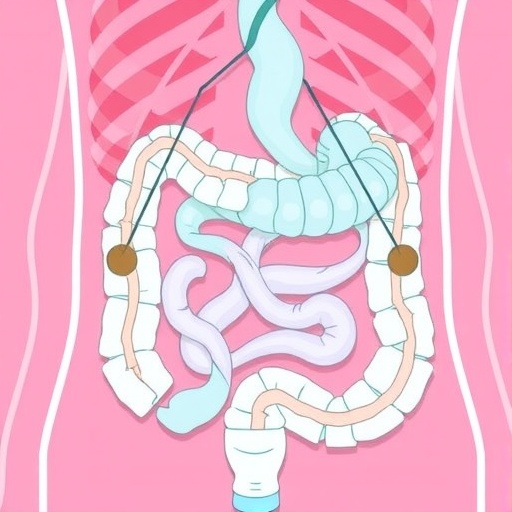
In an era where personalized medicine and predictive analytics are reshaping oncology and surgical care, a novel study published in BMC Geriatrics has explored the independent predictive power of the frailty score on postoperative morbidity among colorectal cancer patients. Spearheaded by researchers Sahin, Yilmaz, and Timuroglu, this prospective observational study dives deep into how frailty, beyond traditional risk factors, could signal a patient’s vulnerability to complications post-surgery, potentially revolutionizing preoperative assessments and clinical decision-making.
Colorectal cancer remains one of the most common malignancies worldwide, with surgical resection being a cornerstone of curative treatment. However, the postoperative period often carries significant risks, including infections, organ dysfunction, and prolonged recovery, which directly affect survival and quality of life. Accurately predicting which patients will encounter such complications has been a challenge for clinicians, as conventional assessment tools combining age, comorbidities, and laboratory values sometimes fail to capture the nuanced physiological reserve and resilience of the aged or debilitated patient population.
This is where the concept of frailty comes into sharp focus. Defined as a multidimensional syndrome characterized by decreased strength, endurance, and physiological function, frailty encapsulates an individual’s reduced capacity to cope with acute stressors such as surgery. While previous studies have hinted at frailty’s association with poorer surgical outcomes, the independent predictive value of frailty scores, distinct from other clinical parameters, has remained uncertain until now.
The prospective design of this investigation allowed the research team to systematically enroll patients diagnosed with colorectal cancer, assess their frailty status prior to surgery, and meticulously document postoperative morbidity over a defined period. The frailty assessment utilized validated scoring systems incorporating physical performance measures, cognitive function, nutritional status, and comorbidity indices, thus painting a comprehensive picture of the patient’s baseline health status.
What sets this study apart is its methodological rigor and focus on isolating frailty as an independent predictor, applying advanced statistical models to control for confounders such as age, tumor stage, and operative factors. The findings reveal that frailty scores alone robustly predict postoperative morbidity, even when accounting for these traditional risk elements. This insight challenges current risk stratification approaches and underscores the pressing need to integrate frailty evaluations into routine preoperative protocols.
The implications for clinical practice are profound. Surgeons and oncologists could leverage frailty screening to identify high-risk patients who might benefit from tailored perioperative interventions, including prehabilitation, nutritional optimization, and enhanced postoperative monitoring. In some cases, recognizing frailty might inform the decision to pursue less invasive therapies or intensified supportive care, thus mitigating the risk of catastrophic complications.
Moreover, the study’s results advocate for policy shifts emphasizing frailty assessment as a standard metric in surgical oncology pathways. By institutionalizing frailty evaluation, healthcare systems can prioritize resource allocation more effectively and improve overall patient outcomes. For patients and families, this transparency in risk communication enhances informed consent and shared decision-making, fostering trust and realistic expectations.
From a scientific standpoint, this research opens pathways for further exploration into the biological underpinnings of frailty and its interaction with cancer biology. Is the systemic inflammation seen in frail individuals exacerbating tumor progression or impairing healing? Could targeted pharmacological agents modulate frailty-related pathways to enhance surgical resilience? The answers to these questions could accelerate the development of novel therapeutic strategies.
Internationally, these findings resonate with aging populations and the consequent rise in frailty prevalence among surgical candidates. As life expectancy increases globally, the burden of frailty-associated complications demands scalable solutions grounded in robust evidence like this study provides. Healthcare professionals across specialties must therefore unite around the concept of frailty as a pivotal determinant of postoperative success.
It is essential to acknowledge that frailty, while a powerful predictor, is not an irreversible destiny. The dynamic nature of frailty implies that early identification allows for timely interventions aimed at frailty reversal or mitigation. Exercise programs, nutritional supplements, cognitive therapies, and social support can convert a frail status to a more robust condition, altering the trajectory of surgical risk and recovery.
Technological advancements also play a role in this evolving landscape. Wearable devices, remote monitoring, and artificial intelligence algorithms can facilitate continuous frailty assessment and real-time risk prediction, making precision surgery a realistic goal for vulnerable populations. Integrating these tools with electronic health records forms a promising frontier for personalized medicine.
This study thus not only enriches our comprehension of frailty’s clinical significance but also challenges the healthcare community to revisit and refine preoperative workflows. Incorporating frailty scoring offers a practical, evidence-based approach to augment patient safety, optimize surgical outcomes, and ultimately transform colorectal cancer care for the elderly and medically complex.
The pioneering work conducted by Sahin, Yilmaz, and Timuroglu epitomizes the critical intersection between geriatric medicine and oncology, illuminating how enhanced risk stratification through frailty assessment can be a game-changer. As the surgical field gravitates toward more individualized care paradigms, such research is indispensable to fostering innovations that uphold the dignity and well-being of every patient facing colorectal cancer surgery.
Future investigations may expand inclusivity, evaluating frailty’s predictive value across different cancer types, surgical modalities, and healthcare settings. Additionally, randomized controlled trials to test frailty-tailored perioperative interventions will be pivotal in translating these observational insights into standardized clinical practices.
In sum, by establishing frailty scoring as an independent and potent predictor of postoperative morbidity, this landmark study offers a new beacon of hope. The journey toward safer colorectal cancer surgery, underpinned by precise, patient-centered risk assessment, is now clearer and more attainable, promising enhanced recovery and better survival for a vulnerable population too often underserved.
Cite Scienmag News
Ophelia Keating. (February 27, 2026). Frailty Score Predicts Colorectal Cancer Surgery Risks. Scienmag. https://scienmag.com/frailty-score-predicts-colorectal-cancer-surgery-risks/
Ophelia Keating. "Frailty Score Predicts Colorectal Cancer Surgery Risks." Scienmag, 27 February 2026, https://scienmag.com/frailty-score-predicts-colorectal-cancer-surgery-risks/. Accessed 31 August 2026.
Ophelia Keating. "Frailty Score Predicts Colorectal Cancer Surgery Risks." Scienmag. February 27, 2026. https://scienmag.com/frailty-score-predicts-colorectal-cancer-surgery-risks/


